

Key Takeaways
- 01 Capital discipline is reshaping commodity supply curves into 2026.
- 02 AI infrastructure capex is becoming a primary macro variable.
- 03 Central bank policy across AU, CA and US is converging on neutral.
Spot gold rose after the Fed lifted rates and markets recalculated inflation risk. The price had slipped for three straight sessions before this bounce.
At 15:50 ET, spot gold was up 1.9% at $4,346.62 per ounce. Gold futures were slightly lower, down 0.1%, at $4,385.17 per ounce. The Oil price retreat impact also supported bullion sentiment. Falling crude prices reduced immediate inflation concerns across global markets.
The dollar also halted its recent rally, providing additional support. Together, these factors helped gold recover despite renewed monetary tightening signals.
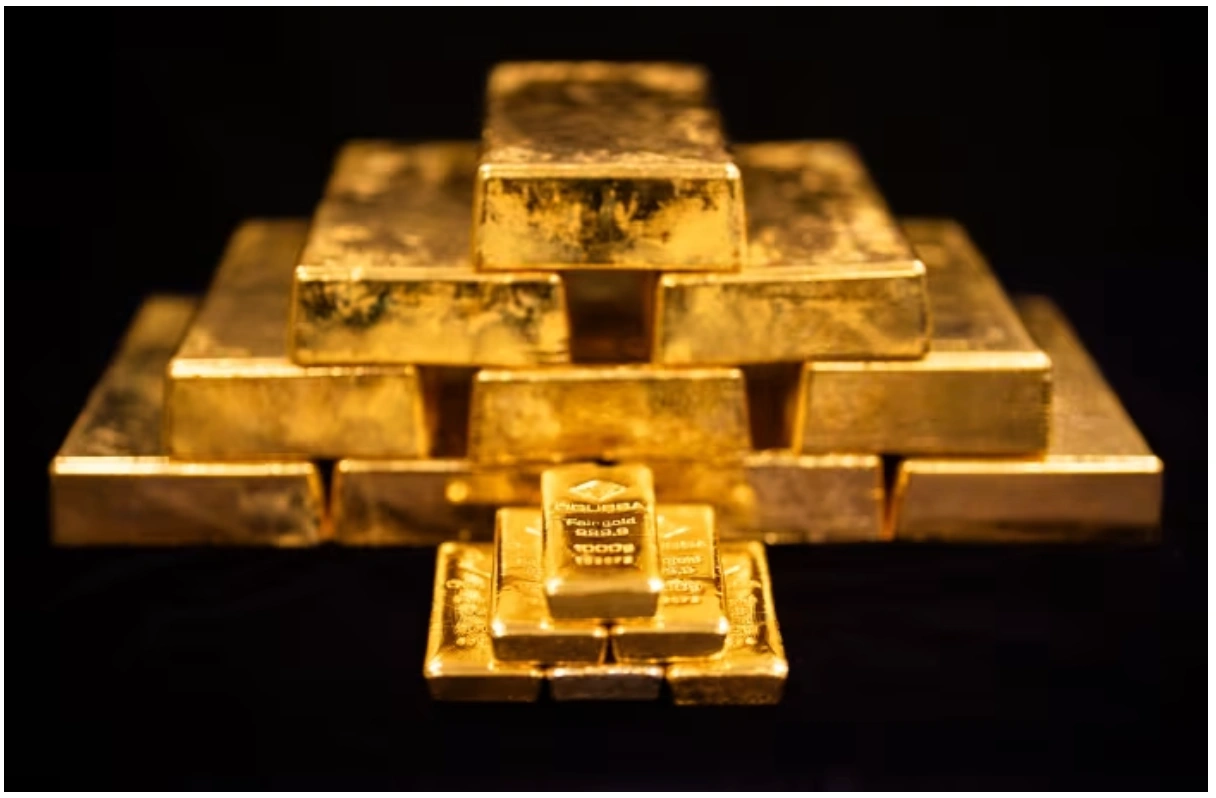 Gold prices recover as oil retreats and inflation concerns ease. [Courtesy: WSJ]
Fed Hike Tests Gold Price Momentum
The Federal Reserve raised its federal funds rate to 3.75%-4.00% from 3.50%-3.75%. The unanimous decision marked its first rate hike in over three years.
Gold had already fallen 1.8% across the previous three sessions. Higher rates usually pressure non-yielding assets such as gold.
A stronger dollar can also make bullion costlier for overseas buyers. However, markets had largely anticipated Wednesday’s decision.
Attention therefore shifted towards future policy signals and inflation developments. This helped limit the immediate pressure on Gold price momentum after the rate announcement.
Inflation Trade Narrative Shifts As Oil Retreats
The latest oil decline has changed the immediate inflation discussion across financial markets. Crude prices had surged earlier amid Middle East supply disruption fears. Those concerns have since eased as Saudi Arabia explored supply alternatives. Investors are now assessing whether lower energy prices can reduce inflation pressure. Key developments shaping the Inflation trade narrative include:
- Saudi Arabia working towards restoring pipeline operations.
- Additional crude loadings offered to Asian refiners.
- Reports of possible diplomatic progress involving the United States and Iran.
These developments reduced some immediate pressure on energy markets.
 Falling oil prices are reshaping the inflation trade narrative for investors. [Courtesy: Zee News]
Oil Price Retreat Impact Supports Bullion Recovery
Oil prices declined for a second consecutive session during Thursday trading. The retreat followed concerns surrounding Saudi Arabia’s East-West Pipeline shutdown.
The pipeline disruption had intensified fears over regional supply availability. Saudi Arabia had used the route as an alternative crude transport channel. Conflict involving Iran-backed Houthis also raised concerns around regional waterways.
However, the United States indicated that pipeline operations could resume soon. Reports also suggested Saudi Arabia could restart the pipeline at half capacity. The Oil price retreat impact therefore became increasingly relevant for gold markets.
Global Markets Reassess Inflation And Gold Price Momentum
Markets are now balancing tighter monetary policy against easing energy pressures. The Fed’s updated projections pointed towards another possible hike this year.
At least 12 FOMC members saw one more rate hike this year. CME FedWatch showed October hike odds at 55%. Meanwhile, falling oil prices offered some relief from inflation concerns.
This creates a more complex backdrop for Gold price momentum. Investors are watching crude prices, Treasury yields, and dollar movements closely. These indicators could determine whether bullion’s latest recovery gains further traction.
What Happens Next For Gold And Oil?
The next phase will depend on inflation data and energy market developments. Further oil declines could reduce pressure on central banks to tighten policy. However, persistent geopolitical risks could quickly reverse that trend. Investors are therefore monitoring several signals across markets:
- Future Federal Reserve rate decisions and policy guidance.
- Changes in Middle East supply disruption risks.
- Movements in the US dollar and Treasury yields.
- Evidence of sustained easing in crude prices.
These factors will shape the Inflation trade narrative and influence bullion demand. Gold’s latest recovery shows how quickly commodity relationships can change.
Why The Inflation Trade Narrative Matters For Investors
Gold traditionally attracts demand during periods of uncertainty and financial stress. Yet higher interest rates can reduce its relative appeal. Oil creates another important link through its effect on inflation expectations.
Higher crude prices can increase inflation pressure across economies. Central banks may then respond through tighter monetary policy. Lower crude prices can ease that pressure and support market stability.
The current Inflation trade narrative therefore extends beyond commodities. It also affects currencies, bonds, and expectations for future interest rates. This broader relationship remains important for investors.
Gold Price Momentum Faces A Mixed Policy Backdrop
The Federal Reserve remains focused on controlling inflation despite changing energy conditions. Chair Kevin Warsh highlighted concerns about persistent underlying inflation.
He also said broader financial conditions were not restrictive enough. The Fed’s stance remains important for Gold price momentum. At the same time, softer oil prices could reduce some inflation pressure.
This creates competing forces for bullion markets. A stronger dollar and higher yields could restrict gains. Conversely, easing inflation expectations could improve broader market sentiment towards precious metals.
What Could Drive The Next Gold Move?
Gold markets now face several competing signals following the latest Federal Reserve decision. The rate hike reinforces the importance of monetary policy. Falling oil prices provide a contrasting signal for inflation expectations.
Middle East developments could also quickly change energy market conditions. The dollar remains another important influence on bullion pricing. Treasury yields may also guide investor demand for non-yielding assets.
Markets will therefore assess fresh economic data alongside central bank commentary. This combination could determine whether Gold price momentum continues beyond the latest rebound. Visit Mining Herald for more.
Also Read: ASX Gold Momentum Builds: Northern Star and Ramelius Drive Strategic Shifts in Mid-Tier Mining
FAQs On Gold And Oil Markets
Q1: Why did gold prices bounce back?
A1: Oil prices tumbled, and the dollar weakened as gold rallied. These mitigated some of the near-term inflationary pressures.
Q2: What will be the effect of the Oil price pullback on gold?
A2: Easing oil prices can help deflate inflation pressures and put downward pressure on the need for aggressive monetary tightening. This can help bolster sentiment towards gold.
Q3: What was the reason for the Federal Reserve to increase rates?
A3: The Fed has increased interest rates to curb continued inflation. The federal funds rate moved to 3.75%-4.00%.
Q4: What factors could affect gold in the near future?
A4: Investors are on the lookout for oil prices, Federal Reserve policy, Treasury yields, the dollar, and geopolitical news. The following factors may influence the demand for bullion in the future.
Disclaimer
This article is a general information and market news article only. It is not financial, investment, trade, tax, legal, or commodity advice. Monetary policy, geopolitical events, currency fluctuations, and supply disruptions are a few of the factors that can cause gold and oil prices to fluctuate rapidly. Any investment decisions made by the reader, based on this information, should be made with their own research and should be based on professional guidance.
Source Links
Filed under

About the author
Jonathon Brown
Jonathon Brown began his career as a broadcaster, working across markets in British Columbia before moving into financial journalism. Since 2017, he has specialised in stock market reporting, covering emerging companies across the healthcare, technology, mining and consumer sectors. He brings more than 15 years' experience to his reporting. A graduate of Vancouver Island University and the British Columbia Institute of Technology, Jonathon is focused on delivering clear, balanced reporting for investors.