Rio Tinto Bell Bay Aluminium Power Agreement Extends Smelter Life to 2031
Rio Tinto's power deal for Bell Bay was due to expire in December. Two governments have now stepped in to keep the smelter running to 2031.

 Mining news
Commodity
Live pricing, leading companies and the latest market coverage.
Iron ore might not get the headlines the way gold or oil does, but it’s kinda foundational anyway. It’s the raw ingredient for steel, and steel quietly keeps up everything from skyscrapers to wind turbines, you know. For Australia in particular, this isn’t only an industry; it’s more like an economic backbone that just keeps working in the background. Prices wobble based on global steel appetite, supply disruptions, policy shifts, and how healthy the world economy feels in general. For Iron Ore News and Prices Global, these factors remain closely watched. Because Australia ships more iron ore than anyone else on the planet, even small changes in mining decisions can ripple all the way over to steel mills overseas.
No iron ore, no steel. No steel, no modern infrastructure. Like, it’s close to that straightforward. Demand often follows industrialisation and urban growth: when a country starts building quickly, iron ore consumption shows up soon after, almost like it has a plan. Australia and Brazil supply most of the world’s ore, while China takes the lion’s share through its massive steel industry. With infrastructure booms still happening and clean energy buildouts ongoing worldwide, iron ore doesn’t look like it’s getting sidelined anytime soon.
China's steel output is the single biggest factor, but plenty of other things stir the pot too, like a flooded mine, a cyclone tearing through the Pilbara, or a producer quietly cutting its forecast. Keep an eye on:
None of these tell the whole story alone. It's the combination that matters, whether you're tracking daily price moves or the bigger multi-year trend. This is also central to understanding Iron Ore News and Prices Global and its impact on mining markets.
The Pilbara region in Western Australia is essentially ground zero for the country's iron ore dominance, packed with major mines feeding buyers across Asia and beyond. High-grade deposits, strong port and rail networks, and decades of experience give Australia a real edge. Miners aren't resting on that advantage either. There's ongoing investment in automation, digital mine planning, and sustainability efforts, which helps both output and Australia's standing as a reliable supplier.
Tighter emissions rules are pushing steelmakers toward higher-grade ore, since it burns more efficiently and cleanly. Meanwhile, automation and AI are becoming standard fixtures on mine sites rather than novelties. New projects are also set to add fresh supply, which could be good or bad news depending on where you sit in the market.
Iron ore is one of the most closely watched commodities on the ASX, mostly because price swings hit major miners' share prices almost instantly. Worth tracking:
Stay on top of these, and you'll have a solid read on where things are likely headed next. Follow Mining Herald for the latest updates on Iron Ore News and Prices Global and every twist along the way.
Rio Tinto's power deal for Bell Bay was due to expire in December. Two governments have now stepped in to keep the smelter running to 2031.
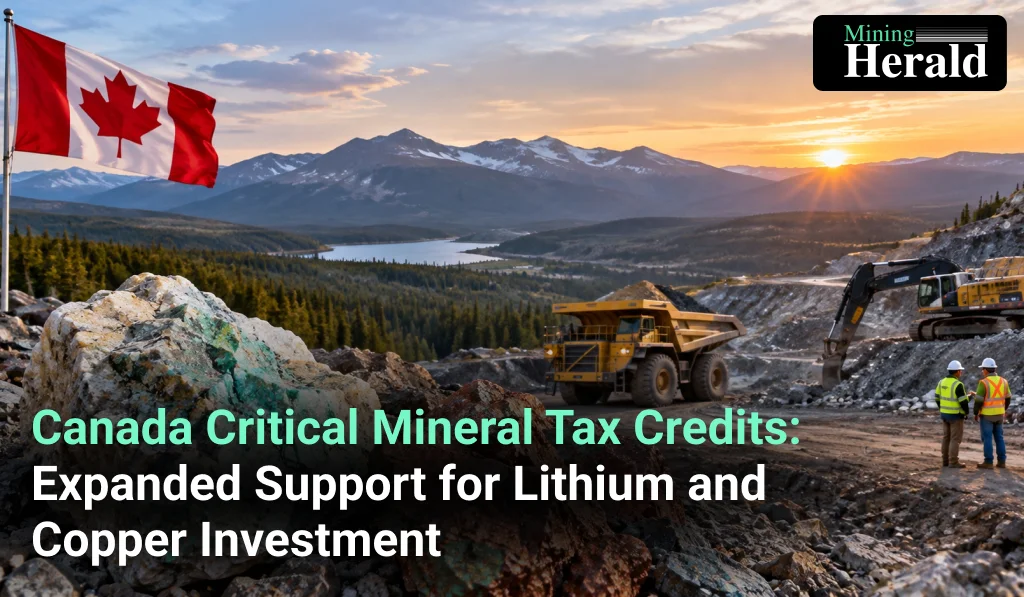
Canada’s exploration incentives offer lithium and copper projects a route to investment by reducing the tax burden on eligible investors who finance qualifying work.
Traditional models insist rising yields should push bullion lower, yet persistent physical accumulation tells an entirely different story. Mounting fiscal deficits and sticky price pressures now firmly reshape the global market trajectory toward 2027
Disclaimer
The information on this page is general in nature and is not financial product advice. Commodity prices are delayed and provided for reference only. Consult a licensed financial adviser before making any investment decision.