Rio Tinto Bell Bay Aluminium Power Agreement Extends Smelter Life to 2031
Rio Tinto's power deal for Bell Bay was due to expire in December. Two governments have now stepped in to keep the smelter running to 2031.

 Mining news
Commodity
Live pricing, leading companies and the latest market coverage.
The global resource sector extends far beyond mainstream metals. The ecosystem of industrial minerals and critical elements keeps modern infrastructure functioning. Investors often overlook these alternative commodities, missing significant value in the broader market.
We track everything from agricultural minerals like potash to critical technology elements. Smart capital frequently accumulates positions in these less glamorous sectors while mainstream media chases the latest gold rush. Supply deficits build silently across these niche markets. When heavy industries suddenly demand these materials, prices skyrocket.
We monitor macroeconomic indicators closely, searching for warehouse drawdowns, strict export bans, and underfunded supply chains. You gain a significant advantage when you understand these alternative resources before the wider market catches on.
Silver occupies a unique financial position, serving as both a wealth store and an essential industrial component. Solar panel manufacturers consume massive volumes of silver paste, while electric vehicle producers require the metal for countless electrical connections.
Miners struggle to boost primary silver production because they typically extract it as a byproduct of lead or zinc operations. We track physical market premiums and major producers striving to increase output.
Governments globally pour trillions into infrastructure renewal. Steel producers desperately need zinc for galvanisation to prevent structural corrosion. Similarly, the electronics industry relies completely on tin for component soldering. We analyse these supply gaps and deliver clear insights into the base metals market.
Food security also drives major resource markets. Farmers demand massive quantities of potash to maximise crop yields on shrinking arable land. We scrutinise the heavy capital expenditures required to develop these deep underground agricultural mineral projects. Geopolitical conflicts frequently disrupt these fragile agricultural supply chains, directly impacting global food production.
The major international stock exchanges, such as the ASX, TSX, and NYSE, have numerous companies developing critical mineral assets. Defense contractors and battery developers actively hunt for strategic elements like vanadium and antimony.
Vanadium dramatically strengthens steel alloys and powers grid-scale flow batteries. Antimony is widely used in fire retardants, military munitions, and night vision technology. Governments officially classify these specific elements as critical minerals due to highly vulnerable global supply chains.
Western nations actively fund initiatives to build independent processing capabilities. We profile the stock explorers and developers hunting for these strategic elements. We review their drilling data, infrastructure agreements, and overall project viability.
Mining Herald compiles the hard data and delivers actionable news so you can capitalise on the most profitable corners of the global commodity markets.
Why do investors target alternative commodities?
Niche markets often experience hidden supply deficits that create massive price spikes when industrial demand surges.
What drives the industrial demand for silver?
Solar panel manufacturing and electric vehicle production consume millions of ounces of silver annually.
Why do governments classify certain metals as critical minerals?
Nations label elements like vanadium and antimony as critical because military and technology sectors depend entirely on vulnerable foreign supply chains.
How do companies mine agricultural minerals like potash?
Resource developers construct deep underground shafts or deploy solution mining techniques to extract potassium-rich salts.
Rio Tinto's power deal for Bell Bay was due to expire in December. Two governments have now stepped in to keep the smelter running to 2031.
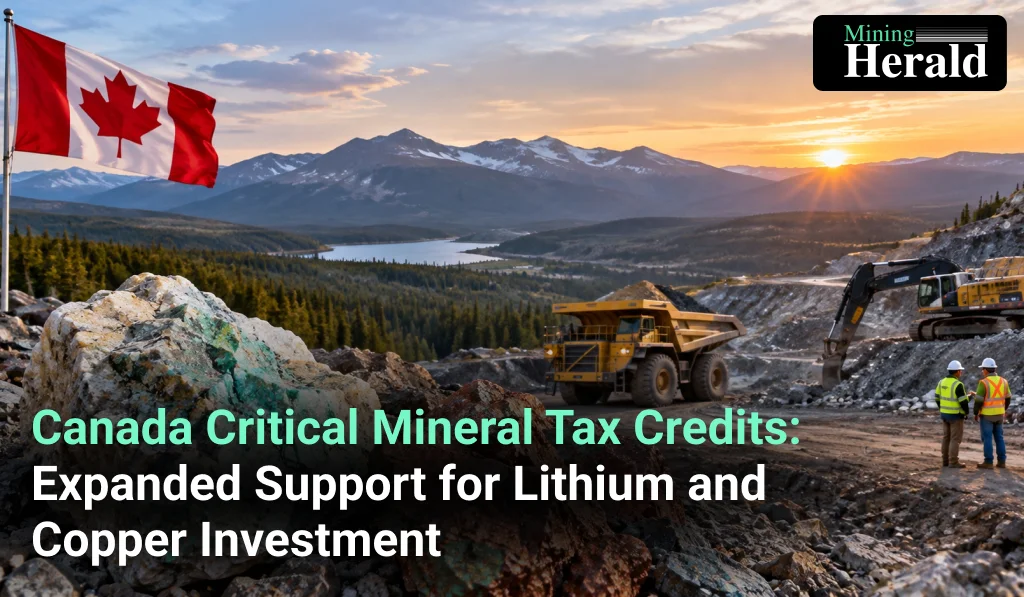
Canada’s exploration incentives offer lithium and copper projects a route to investment by reducing the tax burden on eligible investors who finance qualifying work.
Traditional models insist rising yields should push bullion lower, yet persistent physical accumulation tells an entirely different story. Mounting fiscal deficits and sticky price pressures now firmly reshape the global market trajectory toward 2027
Disclaimer
The information on this page is general in nature and is not financial product advice. Commodity prices are delayed and provided for reference only. Consult a licensed financial adviser before making any investment decision.