

Key Takeaways
- 01 Capital discipline is reshaping commodity supply curves into 2026.
- 02 AI infrastructure capex is becoming a primary macro variable.
- 03 Central bank policy across AU, CA and US is converging on neutral.
The Fortescue quarterly results show pressure from several directions. Shipments fell, hematite selling prices weakened and unit costs increased.
There was progress elsewhere. Iron Bridge shipped more concentrate than a year earlier, and Blacksmith gained its first reported ore reserve.
For the immediate outlook, though, the question is how quickly shipped material becomes sales. Negotiations with China Mineral Resources Group, or CMRG, remained unresolved when Fortescue issued the report.
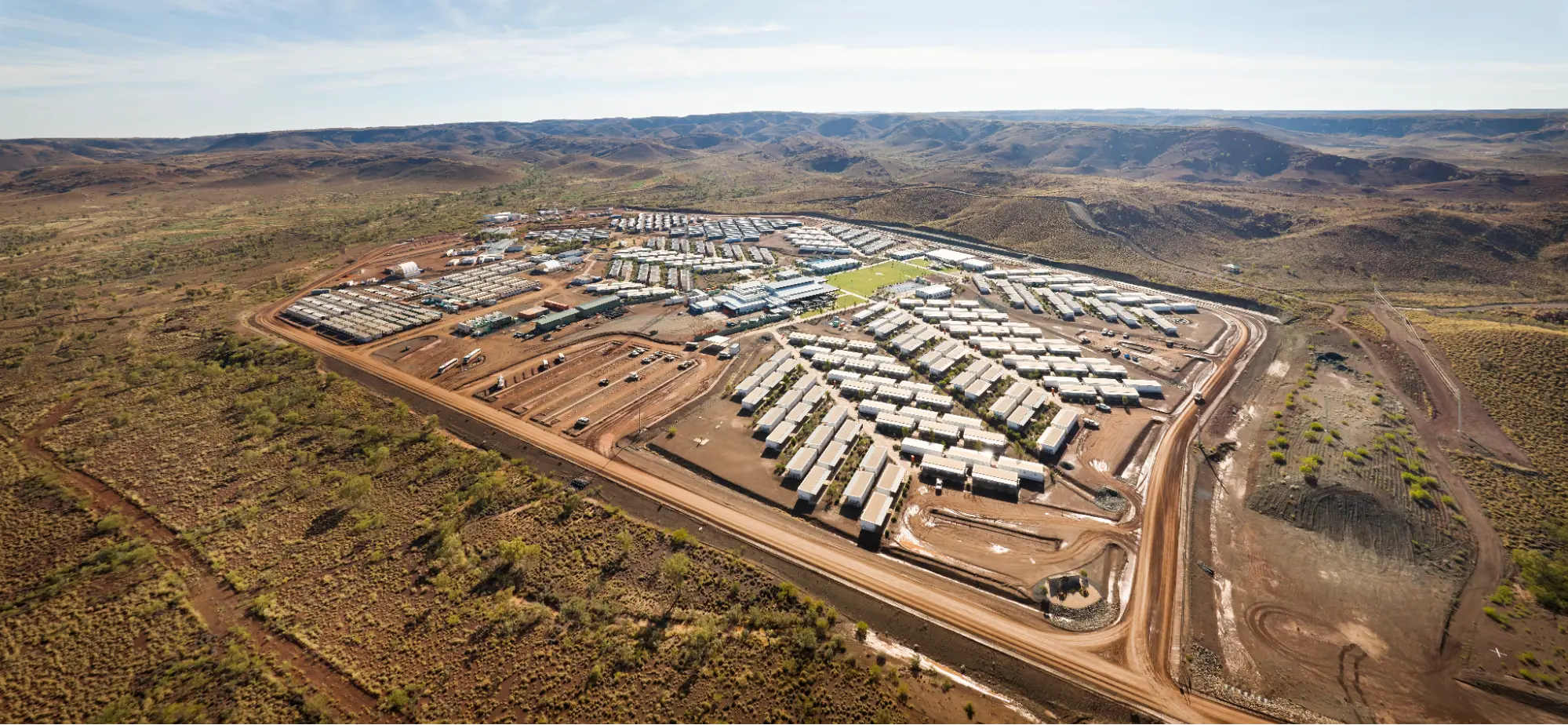
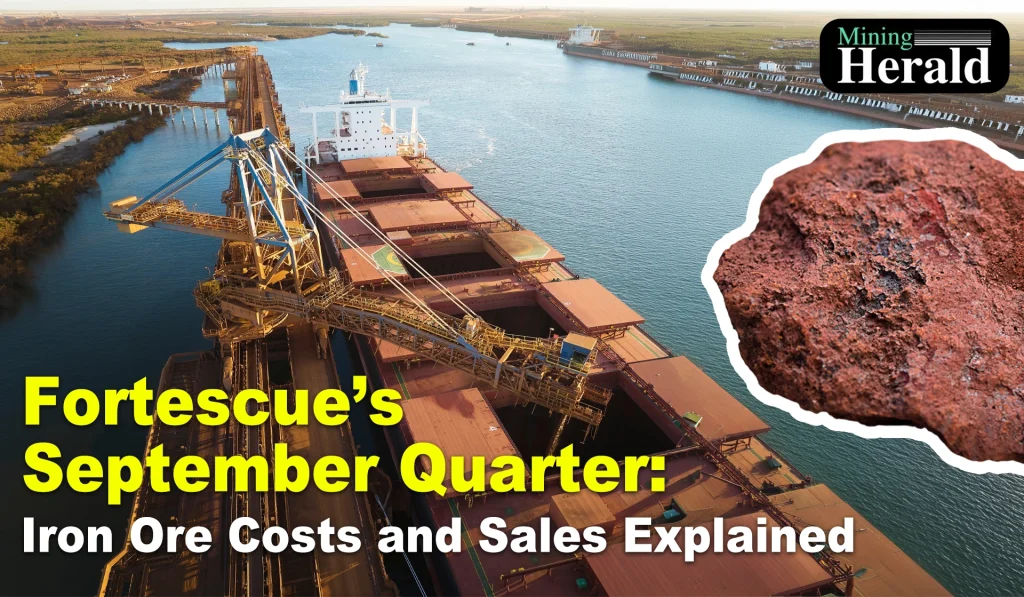
Figure 1: Fortescue’s Iron Bridge operation in Western Australia’s Pilbara region. Archive photograph. Credit: Fortescue.
Sales Fell Short of Shipments by 3.9 Million Tonnes
Fortescue reported 42.9 million tonnes of iron ore sales against shipments of 46.8 million tonnes for the quarter ended 30 September 2026.
The company linked the difference to the ongoing CMRG negotiations. Its trading business also holds inventory at Chinese ports, meaning shipment and sale dates can fall in different reporting periods.
Shipping ore therefore does not mean every tonne has already been sold.
Fortescue expected product inventory to increase by another 4–5 million tonnes during October as it worked on alternative product placement channels. Higher inventory had already affected operating cash flow by increasing working capital requirements.
Management also identified a deadline. If negotiations are not concluded by calendar year-end, operations may be affected, potentially including production adjustments.
More Ore Was Mined, but Less Reached the Port
The Fortescue iron ore production figures show why mining, processing and shipping need to be read separately.
Ore mined rose 4% from a year earlier to 62.7 million tonnes. Processing fell 4%, while shipments declined 6%.
| Operating measure | September 2025 | June 2026 | September 2026 |
| Ore mined | 60.1Mt | 64.9Mt | 62.7Mt |
| Ore processed | 50.8Mt | 52.8Mt | 48.8Mt |
| Ore shipped | 49.7Mt | 52.7Mt | 46.8Mt |
| Hematite C1 cost | US$18.17/wmt | US$19.37/wmt | US$21.98/wmt |
| Hematite realised price | US$88.86/dmt | US$88.85/dmt | US$79.79/dmt |
Volumes are reported on a 100% basis. Mt means million tonnes; wmt and dmt mean wet and dry metric tonnes respectively.
September included major planned maintenance across port loading and unloading operations. Work covered a train-unloader tippler cell and major components on a reclaimer and shiploader.
These assets sit between the mine and the customer. Additional ore mined does not automatically translate into additional shipments when that part of the system is undergoing maintenance.
Mining Herald’s guide to the iron ore journey from pit to port explains how those stages connect.
Diesel and Lower Volumes Lifted Unit Costs
Hematite C1 costs reached US$21.98 per wet metric tonne, up 13% from June and 21% from the previous September.
Fortescue attributed the quarterly increase to inflationary pressure and lower volumes across the supply chain. Higher diesel prices added approximately US$1.40 per wet tonne compared with September 2025.
The distinction is useful. Fuel explained part of the annual increase, but it did not explain all of it.
The Fortescue iron ore costs figure also came in above the upper end of the company’s unchanged FY27 guidance of US$20.50–21.75 per wet tonne.
One quarter does not establish the full-year result. It does, however, leave the remaining quarters needing a lower weighted average cost to bring the year within that range.
Selling Prices Weakened as Costs Rose
What the figures do establish is the direction of pressure: less revenue per dry tonne of hematite alongside higher reported operating costs per wet tonne.
| Pricing measure | September 2026 quarter |
| Average Platts 61% CFR benchmark | US$96.92/dmt |
| Hematite realised price | US$79.79/dmt |
| Hematite price realisation | 82% |
| Iron Bridge concentrate revenue | US$111.09/dmt |
| Iron Bridge benchmark realisation | 115% |
The hematite price and C1 cost should not simply be subtracted to produce a profit margin. One is reported per dry tonne and the other per wet tonne. C1 is also a unit operating-cost measure, rather than every expense incurred by the business.
Iron Bridge Added Volume, but Its Price Is Only Part of the Result
Iron Bridge shipped 2.5 million tonnes, up 17% from the September 2025 quarter. Shipments were nevertheless 8% below June.
Its higher selling price supports Fortescue’s product mix. Assessing profitability also requires the costs of producing and delivering that concentrate.
The US$21.98 C1 figure applies to hematite. It should not be used as Iron Bridge’s production cost.
There is an ownership distinction too. Fortescue holds 69% of Iron Bridge, while the operating tables present volumes on a 100% basis. Total group shipments attributable to Fortescue were 46.0 million tonnes, against the headline 46.8 million tonnes.
Readers following subsequent announcements can use Mining Herald’s Fortescue company coverage.
Inventory, Investment and the Dividend Reduced Cash
The quarter included a US$1.0 billion final dividend payment and US$916 million in capital expenditure and investments. Increased product inventory also weighed on operating cash flow.
Net debt rose to US$2.8 billion from US$0.9 billion.
The cash movement therefore reflects several uses of money. The next report will show whether sales catch up with shipments and whether inventory continues to absorb funds.
FY27 Targets Remain, With a Commercial Condition
Fortescue retained its annual shipment, cost and capital expenditure guidance.
| FY27 measure | Guidance |
| Total iron ore shipments | 197–207Mt |
| Iron Bridge shipments, 100% basis | 11–14Mt |
| Hematite C1 cost | US$20.50–21.75/wmt |
| Metals capital expenditure | US$3.7–4.7 billion |
Those targets remain subject to the CMRG negotiations.
Further ahead, Blacksmith’s maiden ore reserve of 196 million tonnes at 58.0% iron provides a potential source of replacement production as existing mines mature. It does not resolve the current sales and inventory position.
For December, the checks are more immediate: sales relative to shipments, inventory levels and whether hematite costs begin moving back towards the annual range. Progress on customer negotiations will influence all three.
ALSO READ: BHP Q1 FY27: What Production Shifts Mean for Growth
FAQs
Q1. How much iron ore did Fortescue ship?
Ans. Fortescue shipped 46.8 million tonnes in the September 2026 quarter, including 2.5 million tonnes from Iron Bridge.
Q2. Why were sales lower than shipments?
Ans. Fortescue linked the 3.9 million tonne difference to ongoing CMRG negotiations. Shipment and sales timing can also differ because its trading business holds inventory at Chinese ports.
Q3. What increased Fortescue’s costs?
Ans. Lower supply-chain volumes and inflation increased quarterly hematite C1 costs. Higher diesel prices added approximately US$1.40 per wet tonne compared with a year earlier.
Q4. Did Fortescue change its FY27 guidance?
Ans. No. Guidance remained unchanged, subject to CMRG negotiations. Fortescue warned that unresolved talks by calendar year-end could affect operations.
Disclaimer
This is general information, not financial advice. Figures are for September 2026 unless otherwise noted. Project guidance and expectations may vary. Investing carries a risk of loss.
Filed under

About the author
Jonathon Brown
Jonathon Brown began his career as a broadcaster, working across markets in British Columbia before moving into financial journalism. Since 2017, he has specialised in stock market reporting, covering emerging companies across the healthcare, technology, mining and consumer sectors. He brings more than 15 years' experience to his reporting. A graduate of Vancouver Island University and the British Columbia Institute of Technology, Jonathon is focused on delivering clear, balanced reporting for investors.