

Key Takeaways
- 01 Kiaka's output increased in Q3 2026, offsetting Sanbrado's dip, giving WAF a record 127,950 ounces.
- 02 Nine-month production was 360,857 oz. The AISC predicts 430,000–490,000 ounces per year below $1,900.
- 03 Toega ore deliveries are expected in early 2027, while a proposed Kiaka ownership transaction remains a December-quarter objective.
West African Resources production touched 127,950 ounces in the three months to 30 September 2026. These statistics indicate a bigger, cash-generating producing firm.
The report also identifies work still to be done: explosives supply remains a constraint, new ore sources are being developed, and the proposed sale of a Kiaka stake has yet to close.
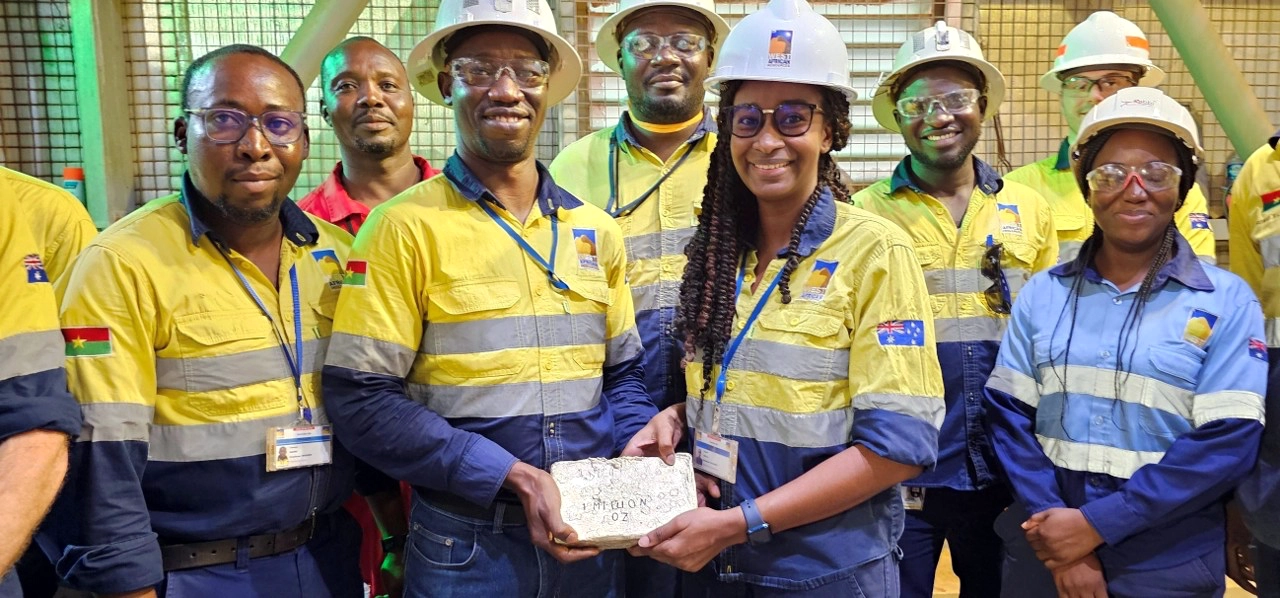
Figure 1: Kiaka gold operation in Burkina Faso, which produced 76,030 ounces in the September quarter. Archive photograph. Credit: West African Resources.
Kiaka Supplied the Quarter’s Production Increase
Kiaka produced 76,030 ounces, up 13% from June. Its mill processed 2.871 million tonnes of ore, a 15% increase, at a recovery rate of 93.1%.
The higher throughput did most of the work. Reported head grade remained approximately 0.9 grams per tonne.
Sanbrado moved in the other direction. Production fell 10% to 51,920 ounces. Lower underground mined grades and a planned mill-reline shutdown affected the operation.
| Measure | Sanbrado | Kiaka | Group |
| Q3 gold production | 51,920oz | 76,030oz | 127,950oz |
| Q2 gold production | 57,608oz | 67,571oz | 125,179oz |
| Q3 gold sales | 61,753oz | 73,492oz | 135,245oz |
| Q3 sustaining cost | US$1,519/oz | US$1,554/oz | US$1,570/oz |
The mine figures are site sustaining costs. Group AISC also includes corporate and share-based payment costs.
The combined production increase was approximately 2.2% over June. Kiaka’s progress was therefore enough to establish a new record, although both mines did not grow together.
Sanbrado’s Lower Output Had More Than One Cause
The West African Resources quarterly report shows why mine-level details matter.
At M1 South underground, ore mined increased slightly to 171,000 tonnes. Grade fell from 8.1 grams per tonne to 6.5 grams per tonne, reducing the gold contained in that mined ore.
Elsewhere, M5 North open-pit mined ounces increased 8%, partly offsetting the underground decline.
Processing then added another limitation. Sanbrado milled 716,000 tonnes, down 9% from June, mainly because of the planned shutdown. Recovery improved to 94.7%, but that improvement could not fully compensate for the lower throughput.
The next report will allow readers to check how processing performs after the reline and what grades the underground mine delivers.
Mining Herald’s coverage of Genesis Minerals’ production and cost trends examines similar differences between mined grades, recovered gold and quarterly costs.
Lower Cost per Ounce Does Not Mean Every Expense Fell
Group AISC declined to US$1,570 per ounce. Gold sales increased, giving the company more sold ounces over which to spread its sustaining costs.
At Sanbrado, site sustaining cost per ounce fell 13%, even though total site sustaining costs in US dollars rose 19%. The operation sold considerably more gold than it produced, drawing down bullion holdings.
Kiaka’s unit cost fell 7%. Its total site sustaining costs rose 5%, while ounces sold increased 12%. Sustaining capital expenditure also fell sharply from the previous quarter.
The cost improvement is useful, but its causes matter. Some came from sales volumes and spending timing.
WAF’s reported group all-in cost, which adds non-sustaining exploration and capital expenditure, was US$1,932 per ounce. Neither AISC nor all-in cost should be treated as a net-profit measure.
The Annual Target Remains Below the Current Run Rate
Nine-month West African Resources gold production totalled 360,857 ounces at AISC of US$1,725 per ounce.
This is a calculation from the reported results, rather than separate quarterly guidance.
September’s output, multiplied by four, implies an annualised rate of 511,800 ounces. That explains management’s reference to a run rate above 500,000 ounces.
It does not change the published annual forecast. A run rate describes the pace achieved over a particular period; full-year production includes the earlier quarters too.
Toega and M5 South Set the Next Growth Milestones
Toega’s workshop, offices and ancillary infrastructure were largely completed during Q3. Mining remained focused on pre-production stripping.
The haulage contractor is expected to mobilise late in Q4, with ore deliveries to Sanbrado scheduled to begin in early 2027.
At M5 South, approval to include the underground operation in Sanbrado’s life-of-mine plan was received during the quarter. Development has started, and stoping is now scheduled for early in the second half of 2027.
WAF expects the delayed stoping start to have minimal impact on 2027 gold production because of flexibility elsewhere in the mine plan. That remains a company expectation to check against later schedules.
Further drilling results from Toega underground and M5 are also expected. WAF’s 2026 exploration programme includes more than 100,000 metres of planned drilling and a US$20 million budget.
For comparison, Mining Herald’s report on Ramelius’s staged production growth follows how new ore sources and infrastructure contribute at different points in a development schedule.
Explosives Supply and Kiaka Ownership Still Need Resolution
The permit for Kiaka’s explosives manufacturing and storage facility remained outstanding at quarter-end.
Supply improved after better performance from the existing supplier and the addition of a second supplier. Even so, WAF continued to describe explosives availability as an operational bottleneck.
There is also a pending ownership change. WAF expects to finalise SOPAMIB’s acquisition of a 25% interest in Kiaka SA during the December quarter for approximately A$174 million.
Completion would reduce WAF’s equity interest from 85% to 60%. Readers should keep the operation’s reported production separate from WAF’s ownership share when assessing the transaction.
The Next Report Needs to Show More Than Another Record
Kiaka’s throughput increase is the clearest operating improvement in this quarter’s result. Sanbrado’s performance after its shutdown, explosives availability and the start of Toega haulage are the next practical checks.
The cash position gives WAF room to fund development, repay debt and distribute money to shareholders. How that balance changes will depend on sales, expenditure and the timing of the proposed Kiaka transaction.
ALSO READ: Ora Banda’s Gold Growth Pipeline Turns Heads
FAQs
Q1. WAF’s Q3 2026 gold production?
It yielded a record 127,950 ounces, including 76,030 from Kiaka and 51,920 from Sanbrado.
Q2. What is WAF’s projection for 2026 production?
Guidance remains 430,000-490,000 ounces at AISC below US$1,900/oz.
Q3. When will Toega start feeding ore to Sanbrado?
The quarterly report anticipates delivery to start in early 2027 after mobilization of the haulage contractor late in Q4 2026.
Q4. Is the dividend payment included in the September cash balance?
No. A special dividend of A$229 million was paid on 7 October, following the reporting period in September.
Disclaimer
This material is for information purposes only and is not intended as financial advice. The quarterly financial numbers are not audited. Forecasts, development timetables and transaction conditions may be subject to change.
Filed under

About the author
Jonathon Brown
Jonathon Brown began his career as a broadcaster, working across markets in British Columbia before moving into financial journalism. Since 2017, he has specialised in stock market reporting, covering emerging companies across the healthcare, technology, mining and consumer sectors. He brings more than 15 years' experience to his reporting. A graduate of Vancouver Island University and the British Columbia Institute of Technology, Jonathon is focused on delivering clear, balanced reporting for investors.