



Key Takeaways
- 01 Ramelius maintained its FY27 projection at 205,000–225,000 ounces at an all-in sustaining cost of A$2,150–A$2,350 per ounce.
- 02 Production in September was 48,839 ounces. Wet weather delayed penny ore delivery, leaving stockpiles to be processed next quarter.
- 03 Higher grades are projected to drive production through FY27, with the bigger Mt Magnet plant expansion due to be completed in the December 2027 quarter.
The Ramelius Resources forecast for FY27 remains unchanged. That cost sits above the annual guidance range. Ramelius expects production to rise quarter by quarter as mining reaches higher-grade areas at Dalgaranga and Cue, bringing unit costs down.
There are two schedules to follow here. The current mines need to deliver the FY27 result. Beyond that, new processing capacity and development work underpin a much larger production plan for FY30.
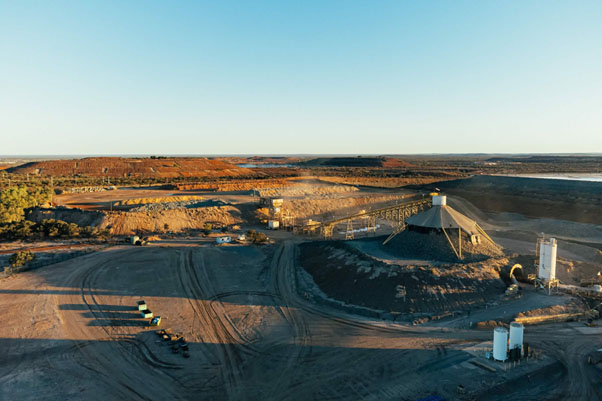
Figure 1: Mt Magnet operation in Western Australia, the processing hub supporting Ramelius’s expansion plans. Archive photograph. Credit: Ramelius Resources.
Penny’s Delayed Ore Gives the December Quarter Work to Recover
Wet weather interrupted haulage from Penny during September. By the quarter’s end, the mine held 29,000 tonnes of stockpiled ore grading 4.52 grams per tonne, containing an estimated 4,202 ounces of gold.
Ramelius expects to process that material in the next quarter. Those ounces had been mined, but they had not completed the journey through the plant. Contained gold also differs from recovered production: processing losses still apply.
The interruption explains part of the softer result. Lower grades from Penny and Never Never, reflecting mine sequencing, also reduced the grade of material reaching Mt Magnet.
For December, the useful checks will be how much Penny ore reaches the mill and whether the expected improvement in feed grades arrives.
FY27 Needs Stronger Quarters From Here
Ramelius Resources gold production must increase from September’s level to reach the annual range.
This calculation shows the remaining requirement; it is not additional company guidance. Ramelius expects a rising production profile rather than three identical quarters.
| Measure | September quarter actual | FY27 guidance |
| Gold production | 48,839oz | 205,000–225,000oz |
| AISC | A$2,656/oz | A$2,150–A$2,350/oz |
| Exploration, resource definition and project studies | Approximately A$23m | A$90m–A$110m |
Mining Herald’s earlier coverage of Ramelius’s FY27 production outlook explains the broader growth plan behind these targets.
Higher Grades Must Help Bring Costs Down
Mt Magnet processed 526,000 tonnes during September, at an average grade of 3.0 grams per tonne and a recovery rate of 93.2%.
Mill tonnage was comparable with the previous quarter. The weaker result largely reflected what went into the plant, including fewer tonnes from Penny and lower-grade feed.
That full-year grade requires stronger material later in the year.
More recovered ounces can spread operating expenses across a larger production base. Whether that happens will depend on grades, recovery and reliable deliveries, as well as the cost of mining and processing the ore.
Mt Magnet’s Larger Expansion Comes After FY27
Ramelius integrated a new crusher and cyclone tower into the existing processing circuit during a five-day maintenance shutdown in October.
The next stage is substantially larger. Primero has received the engineering, procurement and construction contract for a new three-million-tonne-per-year circuit. The lump-sum contract represents approximately 90% of the processing-upgrade capital spend.
Completion is targeted for the December 2027 quarter, followed by commercial production in the March 2028 quarter.
These dates fall in FY28. Readers should therefore separate the new circuit’s contribution from the production improvement expected during FY27.
| Development milestone | Company’s stated timing |
| Never Never reaches a mining rate of 1Mtpa | July 2027 |
| Mt Magnet plant upgrade completed | December 2027 quarter |
| Upgraded plant achieves commercial production | March 2028 quarter |
| Group production target of 560,000–610,000oz | FY30 |
The FY30 range is a production target subject to the assumptions supporting the company’s development plan.
Growth Requires Roads, Water and Accommodation Too
The processing plant accounts for only part of the spending. The road work has a practical purpose: reducing weather-related transport interruptions and haulage maintenance costs.
September’s experience at Penny shows why reliable ore movement matters, although the planned Dalgaranga road serves a different route.
FY27 guidance includes A$195 million–A$215 million for the Mt Magnet plant expansion and another A$75 million–A$90 million for associated infrastructure.
At Rebecca-Roe, approximately A$50 million of early works has been brought forward into FY27. Roe has received its Part V works approval, with associated mining approvals still being pursued. Rebecca is fully permitted.
The Cash Increase Includes an Asset Sale
However, the increase from June’s A$650 million cash-and-gold balance also included transactions outside normal mine operations. Ramelius received A$205 million during the quarter from the Edna May sale and paid A$131 million in stamp duty on the Spartan acquisition.
A further A$45 million–A$55 million of tax associated with the Edna May sale is expected to be payable in December.
The balance provides funding for planned work, but construction payments and tax will draw on it. Rising production alone will not determine how much cash remains.
Mining Herald’s report on Genesis Minerals’ production growth and costs considers a similar question: how much of a miner’s growth reaches its financial results?
December Results Will Test the Expected Improvement
The Ramelius Resources production guidance FY27 rests on higher output and lower unit costs over the remaining quarters.
The next report should show whether Penny’s stockpiles have moved through the plant, whether Never Never’s grades are improving and how October’s plant changes are performing.
Construction progress matters alongside those operating results. Ramelius is spending to support a larger business while relying on its existing operations to generate cash.
For now, management has maintained its targets. The next step is to show the production improvement those targets require.
ALSO READ: Catalyst Metals Plutonic Expansion Strategy Gains a 2 Million Ounce Reserve Base
FAQs
Q1. What is Ramelius forecasting for FY27 gold production?
Ans. The company expects 205,000–225,000 ounces, with production planned to increase quarter by quarter.
Q2. Why was September production lower?
Ans. Wet weather delayed Penny ore haulage. Lower grades from Penny and Never Never also affected the material processed.
Q3. What is the FY27 cost forecast?
Ans. AISC guidance remains A$2,150–A$2,350 per ounce, compared with September’s actual A$2,656 per ounce.
Q4. When will the bigger Mt Magnet facility open?
Ans. Completion is anticipated in December 2027, with commercial production in March 2028.
Disclaimer
This post provides information only, not financial advice. Forecasts and development timetables fluctuate. Before investing, readers should examine business news and their particular circumstances.
Filed under

About the author
Jonathon Brown
Jonathon Brown began his career as a broadcaster, working across markets in British Columbia before moving into financial journalism. Since 2017, he has specialised in stock market reporting, covering emerging companies across the healthcare, technology, mining and consumer sectors. He brings more than 15 years' experience to his reporting. A graduate of Vancouver Island University and the British Columbia Institute of Technology, Jonathon is focused on delivering clear, balanced reporting for investors.