


Key Takeaways
- 01 Capital discipline is reshaping commodity supply curves into 2026.
- 02 AI infrastructure capex is becoming a primary macro variable.
- 03 Central bank policy across AU, CA and US is converging on neutral.
Securing the Hunter Valley Economy
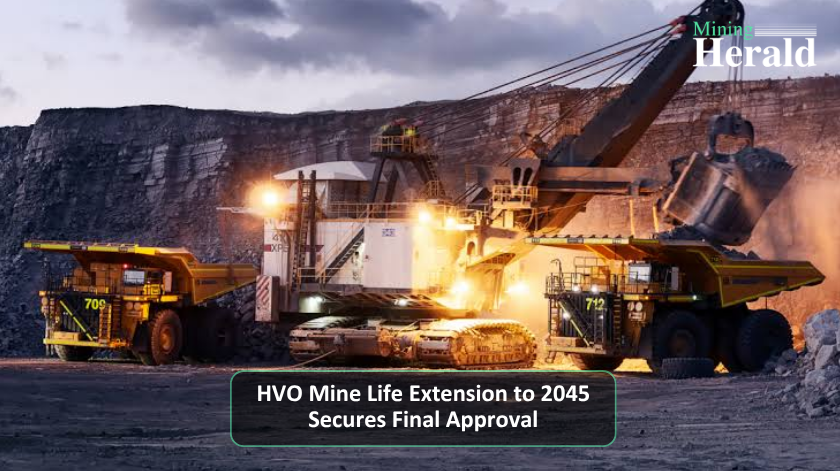
The continuation project targets existing coal resources across the Hunter Valley tenements. The plan officially confirms the HVO mine life extension 2045 for the North site. The South site will maintain its open-cut mining operations until 2042.
Hunter Valley Operations produces high-quality thermal and semi-soft metallurgical coal. The joint venture partners consistently export this valuable steel-making coal to global markets. Yancoal holds a 51 percent stake, and Glencore manages the remaining 49 percent.
The project delivers immense economic benefits to the New South Wales economy. Site operations support 1,551 direct local jobs in the Singleton region. The joint venture contributes $1.76 billion directly to the local and state economy annually.
More than 16,000 supporters signed documents backing the continuation project recently. Local councils and community groups strongly endorsed the economic stability the mine brings. Thousands of regional suppliers rely on the $1.1 billion the operation spends yearly.
Managing Greenhouse Gas Emissions
The Independent Planning Commission reviewed over 10,500 written submissions before making its decision. The panel conducted a three-day public hearing to understand community and environmental concerns. Planning officials met directly with regulators, councils, and the Net Zero Commission.
Experts calculate the operations will generate 809 million tonnes of greenhouse gases. This final figure includes both local site emissions and the overseas combustion of coal. The planning panel acknowledged these environmental impacts alongside the clear financial benefits.
The commission demanded strict environmental controls to offset these long-term climate impacts. Managers must adopt HVO climate compliance mining practices to operate legally in Australia. The site must transition to maximum renewable energy use within four years.
New rules require the site to protect the local environment during daily work. Field teams must carefully manage local biodiversity and critical water resources. Constant monitoring ensures the site meets these stringent New South Wales state requirements.
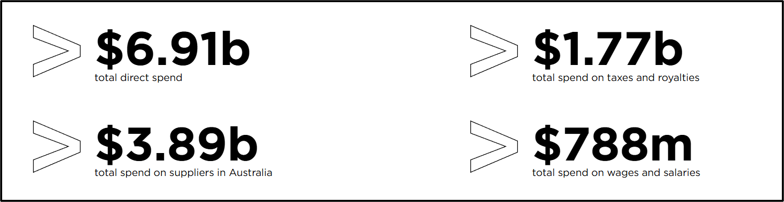
Fig 1: HVO Contribution (2022-2025) [hvo.com.au]
Navigating the Export Control Rules
The new rules restrict where the business can sell its exported coal products. The HVO production limits framework forces managers to align exports with global climate agreements. Commercial teams must only export to countries that honour the Paris Agreement.
Site operators must publish a clear Greenhouse Gas Mitigation Plan very soon. They must also release a Scope 3 Management Plan within specific legal timeframes. These comprehensive plans require formal approval from the state planning department secretary.
The strict conditions force the operation to buy extra carbon offsets. Managers must purchase these offsets beyond the standard Commonwealth Safeguard Mechanism requirements. These specific rules ensure the operation properly compensates for its environmental footprint.
Meeting Federal Approval Deadlines
The project still faces one final regulatory hurdle before full implementation begins. Federal authorities must grant final environmental approval before the end of December 2026. This timeline puts pressure on the joint venture partners to finalise their strategies.
Local community consultation remains a top priority for the project leaders moving forward. The operator must draft a comprehensive Closure Management Plan with local councils. This plan dictates exactly how the rehabilitation crews will restore the land after mining ends.
Site leaders communicate regularly with the established Community Consultative Committee. The corporate board funds local community grants to support new regional development projects. Managers recently surpassed the one million dollar mark for these community funding initiatives.
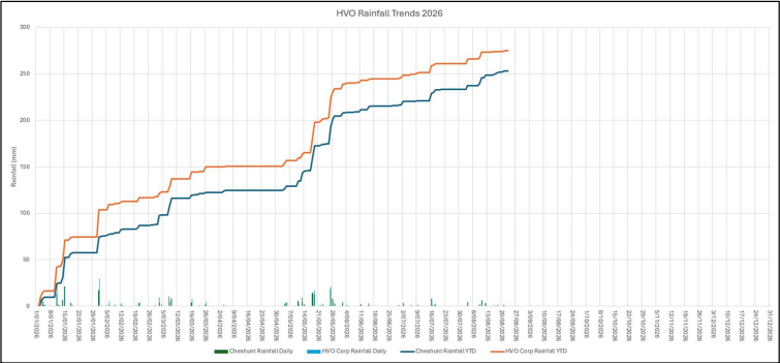
Fig 2: A summary of rainfall data recorded at HVO weather stations during 2026 [hvo.com.au]
Enhancing Mining Operations and Technology
The operators continuously upgrade their heavy equipment to improve daily coal recovery. Modern extraction methods help the engineering teams reach deep coal seams safely. These professionals work daily to optimise the entire open-cut mining process.
The joint venture invests heavily in advanced training for the local workforce. New employees learn how to operate complex machinery in a controlled environment. Site executives prioritise workplace safety above all other daily operational goals.
Clarifying Financial Market Confusion
Retail investors sometimes confuse this coal operation with an entirely different public company. A life sciences firm on the London Stock Exchange shares the HVO ticker symbol. That separate medical testing company, hVIVO plc, holds a market capitalisation near 46 million British pounds.
The medical company reported a negative net income in its last half-year results. Analysts recently marked that health stock with a clear sell rating. The Hunter Valley coal joint venture operates in a completely different business sector.
The Australian coal operation generates billions of dollars in real economic value yearly. The mining site paid over $302 million in taxes and royalties during the last cycle. True resource investors easily separate the successful coal mine from the struggling British stock.
FAQ
Q: Does the HVO mine life extension 2045 guarantee revenue continuity for the joint venture?
A: The state approval secures the resource pipeline, but federal environmental clearance before December 2026 remains the final regulatory milestone for investors to watch.
Q: How will the HVO production limits framework impact future export contracts?
A: Commercial teams must now restrict coal sales exclusively to nations honouring the Paris Agreement, which fundamentally reshapes the future buyer profile.
Q: What direct financial burdens does HVO climate compliance mining introduce?
A: The operation must fund mandatory carbon offsets beyond standard Commonwealth requirements and transition the site to maximum renewable energy within four years.
Q: Do these new environmental conditions threaten the current dividend structure?
A: The added compliance costs will increase short-term operating expenses, but securing the mine’s operational future provides the long-term stability institutional investors require.
You may also like – Coal Continues to Lead Global Power Markets
Disclaimer
This article is meant only for informational purposes. If you are an investor who is watching Mineral Resources Limited closely, all the data published in the content is sourced from ASX announcements and external sources. Kindly verify all information related to the share price and market data. Any investment should be made at the investor’s own risk. Mining Herald does not hold any position in the above-mentioned Company
Filed under

About the author
Jonathon Brown
Jonathon Brown began his career as a broadcaster, working across markets in British Columbia before moving into financial journalism. Since 2017, he has specialised in stock market reporting, covering emerging companies across the healthcare, technology, mining and consumer sectors. He brings more than 15 years' experience to his reporting. A graduate of Vancouver Island University and the British Columbia Institute of Technology, Jonathon is focused on delivering clear, balanced reporting for investors.