

Key Takeaways
- 01 Capital discipline is reshaping commodity supply curves into 2026.
- 02 AI infrastructure capex is becoming a primary macro variable.
- 03 Central bank policy across AU, CA and US is converging on neutral.
During mining, landscapes, ecosystems, and surrounding environments change. However, its impact may be determined after mining.
The primary objective of mine rehabilitation is to improve disturbed land to a safe, useful condition. The process can help to support vegetation, wildlife, and future land uses.
It may also help to lower the long-term environmental risks. According to Pan African Resources, rehabilitation is an important aspect of sustainable mining.
Planning can be effective in achieving a balance between environmental responsibility and social and economic issues. Thus, rehabilitation is relevant well before the end of a mine’s productive life.
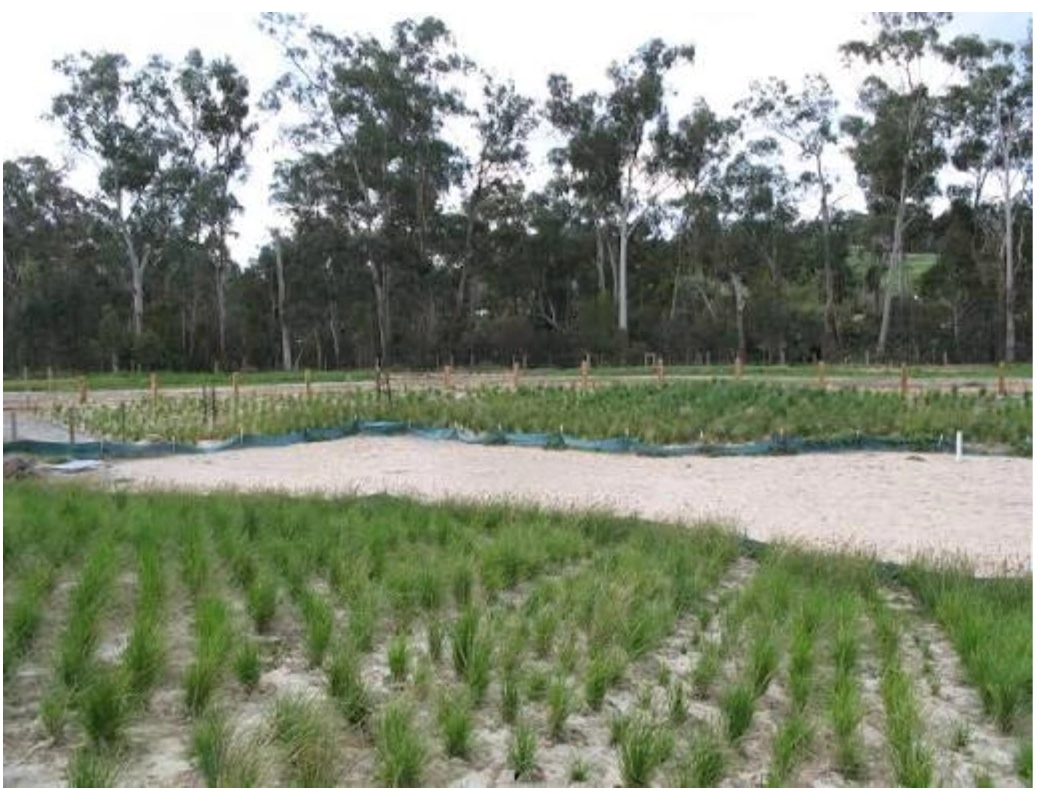 Disturbed land can be rehabilitated to facilitate future uses of the land and the environment. [Courtesy: Wikipedia]
Why Mine Rehabilitation Australia Matters For Investors
The investment case for mine rehabilitation in Australia is becoming increasingly connected with responsible mining. Rehabilitation can minimize environmental liabilities and boost stakeholder confidence.
It can also help develop the corporate image and sustainability plans. Through mining ESG, investors are increasingly focusing on environmental performance. The cost of closure is therefore a factor that companies need to take into account in the life cycle of mining. Rehabilitation can also provide opportunities for future land uses.
These can be conservation, agriculture, grazing or community development. Good rehabilitation planning can signal to investors that the mine is being managed with discipline and in the longer term for mining value.
Examples of key rehabilitation outcomes may be:
- Re-established vegetation and increased biodiversity.
- Stabilised landforms and minimised erosion threat.
- Improved water management and control of pollution.
- Potential post-mining community and economic uses.
How Mine Closure And Rehabilitation Work
Closing a mine is more than shutting down and clearing out equipment. Safety, Environmental stability, and future land use need to be considered by companies.
Rehabilitation typically involves a thorough evaluation, planning, and continuous monitoring. Soil and water contamination might need cleanup prior to restoration. Landforms can then be stabilised and ready for revegetation.
Technological aids are also helping rehabilitative programs in modern times. GIS can monitor site conditions and progress.
Vegetation and water systems can be monitored using remote sensing. Drones can provide new site images. These tools can assist companies in determining risk and make better rehabilitation decisions.
Mine Remediation And Mining Sustainability
Remediation of mines is especially significant in the case of contamination risks due to mining activities. Prior to undertaking wider rehabilitation, soil and water may require treatment.
Abandoned shafts, infrastructure, and hazardous materials also need to be taken care of in a safe closure. Sometimes it is necessary to reshape landforms to aid drainage and stability.
Replacement of the topsoil can then be done before the revegetation is started. The type of rehabilitation depends on site conditions and future goals. Can be conservation, cropping, grazing, and restoring natives.
Mineral-processing residues can pose risks as well, and these risks can be reduced by tailings management. These measures link environmental protection with broader goals of mining sustainability.
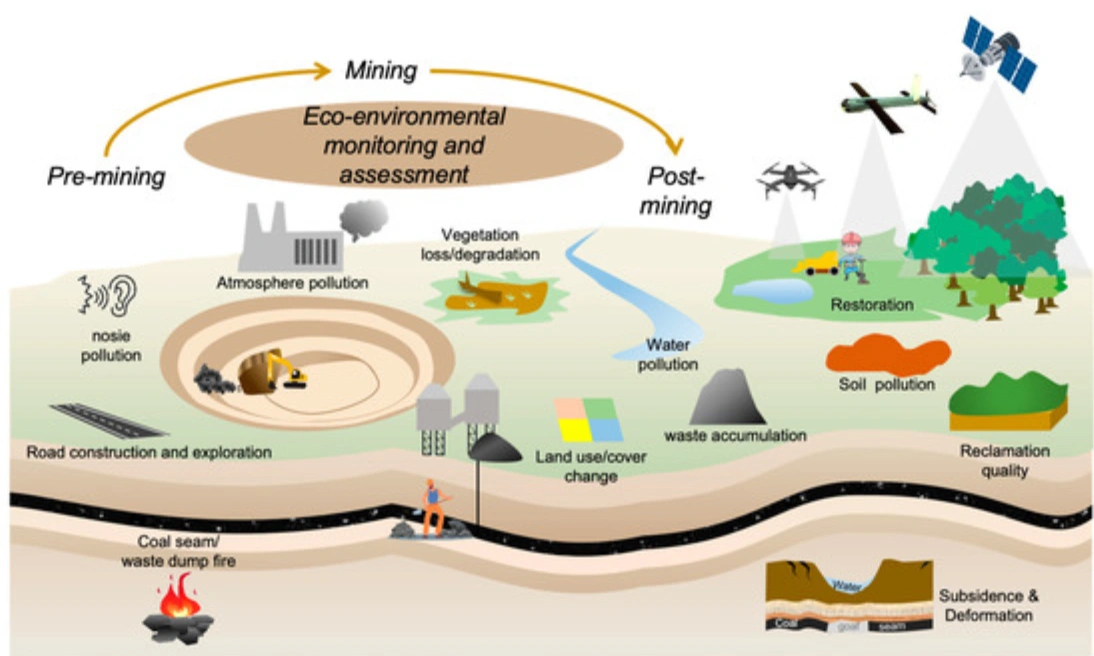 Environmental risks can be mitigated prior to wider rehabilitation and land restoration works in the mining areas. [Courtesy: MDPI]
Where Mining ESG Meets The Investment Case
The best rehabilitation approaches tie together environmental, social and economic priorities. Soil, water, vegetation and wildlife can be evaluated using environmental monitoring.
Community involvement can be used to determine appropriate post-mining land uses. Rehabilitation obligations can be incorporated into the process of financial planning throughout the life of the mine.
These can enhance the strength of mining ESG performance and transparency. Biodiversity management, water resources conservation, land rehabilitation, and tailings retreatment are pan African resources points. Rehabilitation, decommissioning, and closure planning are also mentioned.
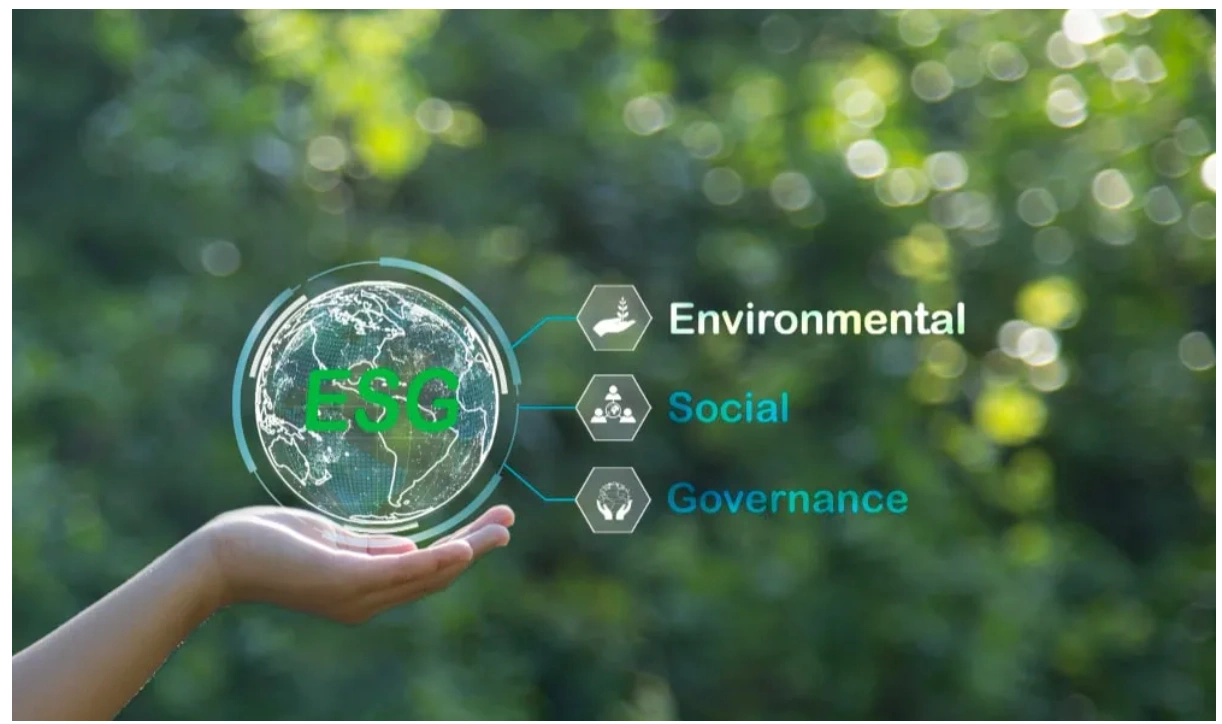 Recovery goals can help reinforce mining ESG goals and help with biodiversity and long-term land management. [Courtesy: Constant Energy]
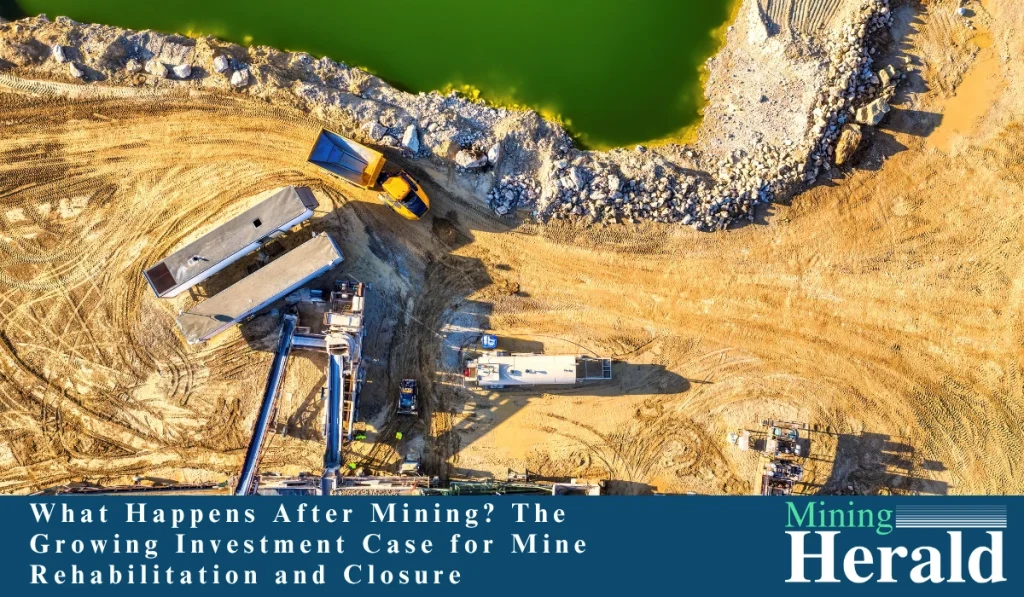
What Happens After Mining? The Long-Term Investment Question
This will depend on environmental conditions and land use planning for the closure. Rehabilitation may be a process of years or decades. Monitoring can be ongoing following physical restoration. This means that advance planning is critical for mining companies and investors.
The objective of successfully closing must take into account risks to the environment, community expectations, safety needs and financial requirements. With the emphasis on sustainability, there is growing interest in environmental legacies.
Rehabilitation can thus turn from mere compliance to a more positive and rewarding experience. It can prove responsible asset management and help ecosystems, communities and investors after extraction.
Also Read: Australia’s Next Mining Workforce: Why Skills, Automation and Data Expertise Will Shape the Industry
FAQs
Q1: What happens after you’ve mined?
A1: The typical progression of a mining site to closure is rehabilitation, remediation and monitoring. Final land use is determined by the environment and the goals of the community.
Q2. What Is Mine Rehabilitation Australia?
A2: It involves restoring disturbed mining land to safe and useful conditions. The process can help to maintain biodiversity and environmental recovery, and future land uses.
Q3: Why is Mine Closure Important?
A3: Mine closure is for safety, environmental, and land-use responsibilities following the end of production. Companies can ensure that long-term liabilities are managed more effectively if they plan at an early stage.
Q4: What is the difference between rehabilitation and remediation?
A4: Rehabilitation is concerned with rehabilitating disturbed land and ecosystems. The term remediation is used to refer to the treatment of contamination that impacts soil, water or an environmental system.
Disclaimer
The information in this article is of a general nature and should not be considered an investment, financial, legal or environmental advice. It addresses issues of mine rehabilitation, mine closure, remediation and mining sustainability based on information provided in the Pan African Resources source. The recovery process for a rehabilitation project can have different outcomes, costs and timelines. Investors need to make their own investment decisions based on the mining rehabilitation strategies and should undertake any independent research and consider any relevant disclosures made by the company.
Source Links
Filed under

About the author
Jonathon Brown
Jonathon Brown began his career as a broadcaster, working across markets in British Columbia before moving into financial journalism. Since 2017, he has specialised in stock market reporting, covering emerging companies across the healthcare, technology, mining and consumer sectors. He brings more than 15 years' experience to his reporting. A graduate of Vancouver Island University and the British Columbia Institute of Technology, Jonathon is focused on delivering clear, balanced reporting for investors.