

Key Takeaways
- 01 Capital discipline is reshaping commodity supply curves into 2026.
- 02 AI infrastructure capex is becoming a primary macro variable.
- 03 Central bank policy across AU, CA and US is converging on neutral.
A mine can order new equipment faster than it can build an experienced team. Someone still needs to commission that equipment, recognise faults and explain the process to the next person joining the crew.
The Australian mining workforce faces that challenge while employers plan for retirements and changing technical requirements. Recruiting more people is one part of the answer. Helping existing employees develop alongside the equipment is another.
The decisions made now will influence whether new technology improves operations or leaves teams struggling to keep up.
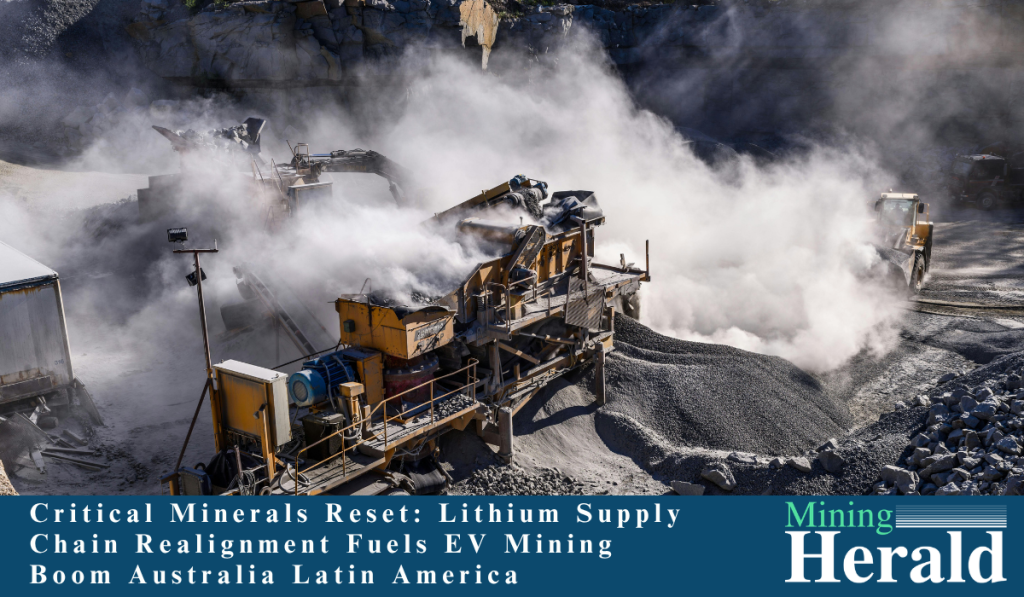
 Figure 1: Excavation equipment operating in a quarry. [Courtesy: Enrique/Pexels].
Experience Takes Time to Replace
AUSMASA’s January 2026 Mining Research Bulletin reports that the mining workforce’s median age increased from 36 in 2016 to 38 in 2021. These historical Census figures highlight the importance of succession planning.
An experienced employee takes more than technical knowledge into retirement. They may know which equipment needs closer attention, how local conditions affect a shift and why a procedure changed years earlier.
That knowledge is difficult to replace through recruitment alone. Addressing the mining skills shortage should include time for experienced workers to teach others before a departure creates urgency.
Different Roles Need Different Training
A single digital training course will not suit everyone. A fitter, an engineer and a control-room operator face different decisions, even when they work with the same equipment.
The following examples show how development could build on existing responsibilities.
|
Role |
Existing responsibility | Useful additional capability |
|
Maintenance technician |
Diagnose and repair faults |
Interpret sensor readings and diagnostic software |
|
Equipment operator |
Manage equipment safely |
Understand automated-system alerts and escalation procedures |
|
Mining engineer |
Develop and assess plans |
Test assumptions using modelling and operational data |
| Processing team member | Monitor plant performance |
Investigate trends in recovery, throughput and energy use |
Role-specific skills development across key mining occupations
Training should start with the work people actually perform. The aim is to help them make better decisions, rather than collect certificates with little connection to their shift.
Automation Changes Responsibilities Around Equipment
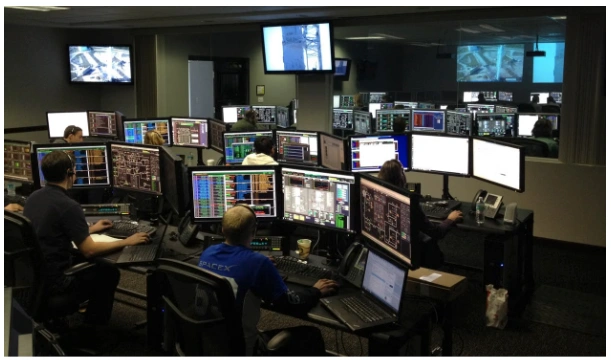 Figure 2: A control-room setting illustrating monitoring and coordination work. [Courtesy: Pixabay/Pexels].
The Minerals Council of Australia identifies growing requirements in robotics, communications, programming and analysis alongside established engineering, trade and scientific skills.
For the Australian mining workforce, that means understanding the systems around a machine as well as the machine itself.
Consider a hypothetical communications failure affecting automated equipment. Restoring operations could require a controller, maintenance technician and network specialist to work together.
Mining automation makes clear responsibilities essential. Teams need to know who investigates an alert, who authorises intervention and when equipment must remain stopped.
Training Needs to Fit the Working Week
- Allow learning time: Training should be planned into work arrangements rather than routinely added after long shifts.
- Provide supervised practice: Employees need opportunities to apply new skills before working independently.
- Check understanding: Course attendance alone does not demonstrate competence.
- Keep knowledge accessible: Updated instructions and maintenance records help prevent information disappearing when someone leaves.
Data Needs Someone Who Understands the Site
A dashboard can identify a change without explaining its cause.
Imagine a processing plant recording higher electricity use. Harder feed material, worn equipment, changed settings or an unreliable instrument could each warrant investigation.
This is where mining technology needs operational judgement. Analysts benefit from understanding site conditions, while operators need findings they can act on.
Reliable records matter beyond production too. Mining Herald’s coverage of metals supply-chain transparency offers related context on the importance of traceable information.
Good analysis begins with basic questions: Where did the reading come from? Are the units correct? What changed during that shift?
Engineers and Trades Still Need Practical Foundations
 Figure 3: An engineer using a laptop, illustrating the combination of technical knowledge and digital tools [Courtesy: Andrea Piacquadio/Pexels].
Software can help mining engineers compare options, but someone must assess the assumptions behind the result. A model is only useful when its inputs and limitations are understood.
Trades face a similar requirement. Diagnostic software can narrow an investigation, but repairing the fault still requires equipment knowledge.
For people considering mining jobs, this suggests a practical approach: develop a recognised occupational foundation, then add relevant digital capabilities. A short software course should complement the underlying qualification and experience.
What Employers Should Do Next
Australia’s Next Mining Workforce will take shape through everyday staffing and training decisions.
Priorities include:
- Map critical skills: Identify work that depends on very few employees.
- Plan succession early: Make mentoring possible before vacancies appear.
- Improve entry pathways: Give apprentices, graduates and career changers supervised experience.
- Address retention: Consider rosters, accommodation, workplace culture and progression.
The Australian mining workforce needs time to learn as well as access to technology. Buying a system is a project milestone; developing the people who can use it confidently is an ongoing responsibility.
Also Read: Core Lithium Moves Closer to Revenue Stage as Finniss Plant Produces Initial Spodumene Output
FAQ
Q1. Will automation remove every site-based role?
No. Equipment still requires maintenance, oversight and intervention, although particular tasks and staffing needs can change.
Q2. Does every mining employee need coding skills?
No. Training should match the responsibilities of the role.
Q3. Why does knowledge transfer matter?
Experienced employees hold practical knowledge that manuals may not fully capture.
Q4. What makes operational data useful?
Reliable inputs, clear context and people who can investigate what the numbers mean.
Q5. Where should employers begin?
Identify critical skill gaps and link training to upcoming operational changes.
Disclaimer
This article is prepared for Mining Herald for informational purposes only. Workforce requirements vary by occupation, employer and operation. Readers should verify qualifications, training requirements and employment conditions with relevant organisations.
Filed under

About the author
Jonathon Brown
Jonathon Brown began his career as a broadcaster, working across markets in British Columbia before moving into financial journalism. Since 2017, he has specialised in stock market reporting, covering emerging companies across the healthcare, technology, mining and consumer sectors. He brings more than 15 years' experience to his reporting. A graduate of Vancouver Island University and the British Columbia Institute of Technology, Jonathon is focused on delivering clear, balanced reporting for investors.