
Key Takeaways
- 01 Capital discipline is reshaping commodity supply curves into 2026.
- 02 AI infrastructure capex is becoming a primary macro variable.
- 03 Central bank policy across AU, CA and US is converging on neutral.
Australia’s mining sector is facing a rougher trading environment after months of relative strength. A mix of higher bond yields, weaker commodity prices and renewed concerns over global economic growth has pushed investors to cut exposure to resource stocks.
The move has been particularly noticeable across the materials sector, where some of the market’s biggest names have come under pressure. BHP Group Ltd and Rio Tinto Ltd have felt the impact through their exposure to iron ore and copper, while lithium producers have faced an additional layer of pressure from weak prices and elevated inventories.
For investors, the sell-off is not being driven by one issue. Several pressures are arriving at the same time.
1. Surging Bond Yields Put Pressure on Valuations
The bond market has become one of the biggest concerns for equity investors.
Australian government bond yields have pushed above the 5% mark, reaching levels not seen since 2011. The move reflects growing expectations that interest rates could stay elevated for longer as central banks continue to deal with persistent inflation.
That matters for mining companies because the sector needs a lot of capital.
A new mine, processing facility or major infrastructure project can take years to develop and require billions of dollars before generating meaningful returns. When the cost of capital rises, those projects become harder to finance and their future cash flows become less attractive when valued in today’s money.
There is another effect as well. Higher bond yields give investors an alternative to equities. If government bonds can offer comparatively attractive returns, some fund managers may have less reason to take on the additional risk associated with mining stocks.
That shift can be especially uncomfortable for smaller resource companies that depend on external funding to advance exploration and development projects.
2. Copper and Iron Ore Lose Momentum
Commodity prices have added to the pressure.
Copper had enjoyed a powerful rally, reaching record levels as investors positioned for stronger demand from electrification, power infrastructure and the energy transition. The momentum changed quickly, however, after uncertainty emerged around US policy on refined copper imports.
Reports that the White House had delayed key decisions on copper tariffs triggered a sharp reversal in the futures market. Comex copper subsequently fell more than 5% in a single session as traders unwound bullish positions.
Iron ore has also struggled to maintain its earlier strength. Prices have moved back towards the US$101-per-tonne area as concerns over Chinese steel demand weigh on sentiment.
China remains critical to the outlook because of its enormous steel industry. If mills reduce production or remain cautious about restocking, demand for iron ore can soften quickly.
That leaves the major Australian producers exposed to a weaker pricing environment. BHP and Rio Tinto, both heavily linked to bulk commodities, saw their shares fall sharply as investors reassessed the outlook for earnings.
3. Higher Oil Costs Are Squeezing Mining Margins
Commodity prices are only one side of the equation for miners. The other is the cost of getting those commodities out of the ground.
Energy is a major operating expense across the mining industry. Large haul trucks, excavators, processing plants and remote-site power systems consume substantial amounts of fuel and electricity. A sustained rise in energy costs therefore has a direct impact on operating margins.
Brent crude has climbed above US$100 a barrel amid heightened geopolitical tensions in the Middle East. For miners, that creates an uncomfortable combination: revenue can come under pressure at the same time as some key operating costs move higher.
The effect is not identical across the sector. Companies with lower-cost operations and strong balance sheets are generally better positioned to absorb higher expenses. Smaller producers and developers, on the other hand, have less room to absorb a sudden increase in fuel, transport or power costs.
That distinction could become increasingly important if commodity prices remain volatile.
4. Battery Metals Face a Separate Set of Problems
The sell-off has been particularly severe across parts of the battery-metals market.
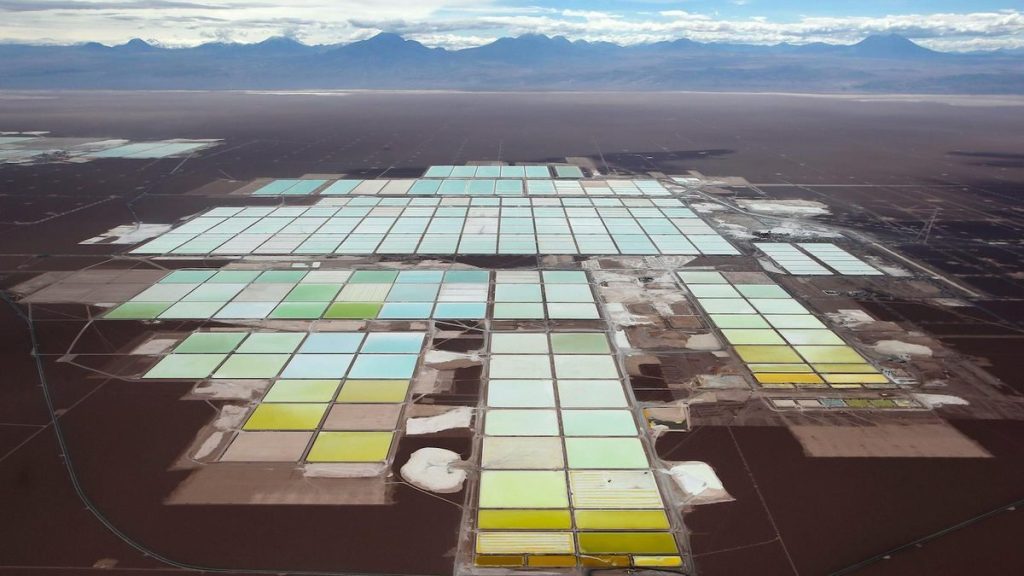
Lithium producers on the ASX have been dealing with a different problem from the one confronting the major iron ore miners. Global lithium inventories have risen faster than many investors expected, while supply growth has made it difficult for prices to recover convincingly.
The result has been a difficult environment for producers and developers alike.
Companies such as Liontown Resources and Pilbara Minerals have experienced significant share-price volatility as investors reassess the pace of the lithium market’s recovery. The concern is not simply about weaker prices today. Investors are also questioning how quickly excess supply can be absorbed and when demand growth will be strong enough to tighten the market again.
That uncertainty has made lithium stocks particularly sensitive to changes in sentiment.
Conclusion
The current weakness across ASX mining stocks is therefore more complicated than a straightforward commodity-price correction.
Higher interest rates are making capital more expensive. Copper and iron ore have lost some of their earlier momentum, while higher energy costs are threatening margins. At the same time, lithium producers are still working through an oversupplied market.
The key question is whether these pressures are temporary or part of a longer adjustment in the resources cycle.
The answer will depend on several moving pieces: central-bank policy, Chinese industrial demand, commodity inventories, energy prices and the direction of global trade policy.
Australia’s mining industry has weathered difficult commodity cycles before. But in the current environment, simply having exposure to a strong commodity may not be enough. Investors are likely to pay closer attention to production costs, balance sheets, project economics and the ability of individual companies to generate cash through the cycle.
FAQs
1. Why are ASX mining stocks falling?
Ans: Higher bond yields, weaker commodity prices, rising energy costs and concerns over global demand are putting pressure on mining stocks.
2. Which commodities are facing the most pressure?
Ans: Copper, iron ore and lithium have all faced recent weakness, although the reasons differ across each market.
3. What should investors watch next?
Ans: Investors should monitor interest rates, Chinese commodity demand, energy prices, inventories and global trade policies.
Filed under
About the author
Mining Herald
Senior markets editor at Mining Herald. Covers resources, macro and corporate strategy across Australia and North America with two decades of capital markets experience.