
Key Takeaways
- 01 ● Ore found near an active mine could use the company's existing facilities.
- 02 ● And an extension can add years of production without increasing the annual production.
- 03 ● Depending on the ore, existing infrastructure and the effort required to get approval, savings can vary.
Mining companies can’t keep pulling from the same reserves forever. Each shipment removes some of the material available to sell. Drilling around an operating mine is one way of finding what comes next.
There is a financial reason to start nearby. The company may already own a mill, have power connected and employ people who know the site.
At a remote discovery, those arrangements may still be years away.
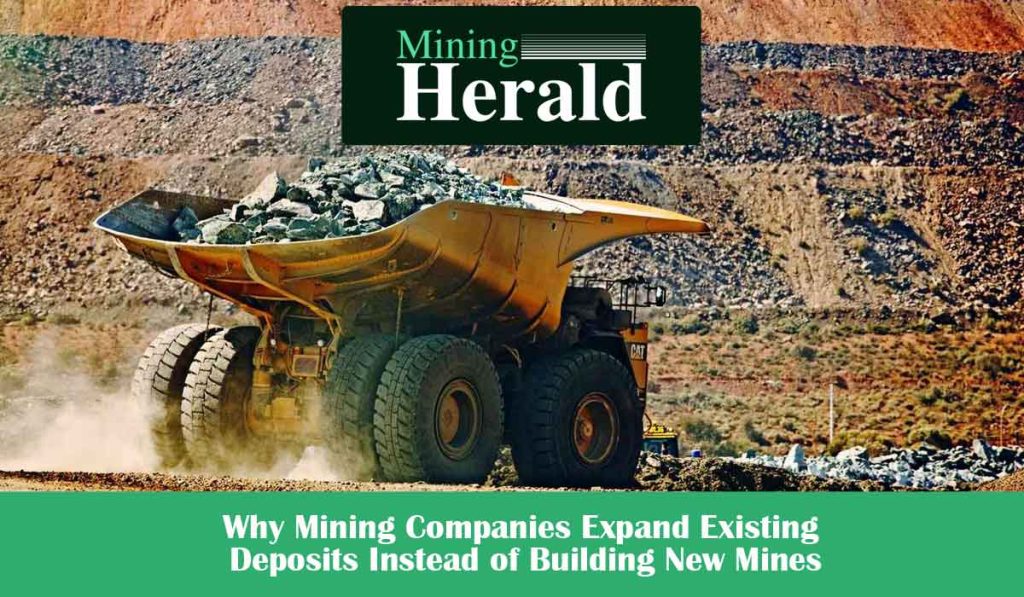
Here’s why expanding an existing deposit can often make more sense than starting a new mine from scratch.
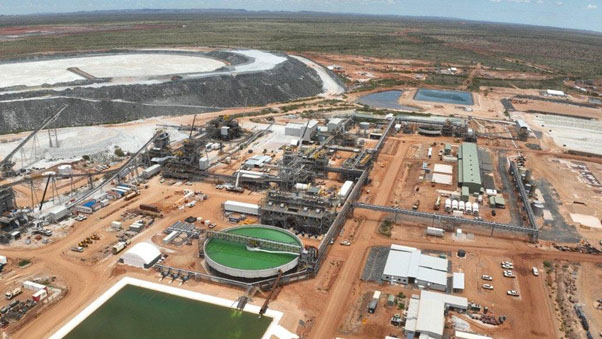
Figure: Existing processing plant, conveyors, stockpiles and other infrastructure. Credit: Pilgangoora lithium operation expansion
1. Because Existing Processing Plants Can Be Reused
Imagine a gold producer whose processing plant has room for more feed. Drilling identifies another deposit within trucking distance.
The company would still have to assess and develop it. But if the ore suits the existing plant, there may be no reason to build another mill.
The same deposit could look much less attractive as a separate operation. Its revenue would have to cover the cost of facilities that the neighbouring mine already has.
This is a hypothetical example, but it explains why location matters beyond the grade reported in a drilling announcement.
A deposit’s value depends partly on what it will cost to reach, mine and process.
2. Existing Infrastructure Can Reduce Development Costs
An established site has a long list of facilities that rarely appear in a discovery headline. Access roads, workshops, water systems and accommodation all cost money.
Using them again can reduce the construction bill. Their remaining capacity needs checking first.
| Facility | Where the saving may come from | What could add cost |
| Processing plant | Treating ore through existing equipment | Repairs or a different processing circuit |
| Roads | Using established access | Longer haul distances and heavier traffic |
| Electricity | An existing connection | More power than the connection can supply |
| Workshops | Keeping maintenance at one site | Additional equipment and employees |
| Tailings storage | Using remaining approved space | New storage capacity and approvals |
An old facility is not necessarily a cheap facility. If much of it needs replacing, the apparent saving can shrink before construction begins.
3. Expansion Can Extend the Life of an Operating Mine
“Expansion” can suggest a larger operation producing more metal each year. Sometimes the intention is simply to keep the current operation going.
A resource also needs further assessment before it can support an ore reserve. The JORC framework requires consideration of mining, processing, economic and other relevant factors.
Mining Herald’s article on moving from exploration targets to mineable resources explains that progression.
4. Nearby Deposits Are Not Always Cheaper to Mine
The next section of a deposit may behave differently from the section being mined today.
Harder rock can reduce the amount a mill processes. Different mineral content can affect recovery. Deeper workings may need more pumping and ventilation.
There is also the material that earns nothing. An open-pit extension might require substantial waste removal before the company reaches ore.
Those costs can change the decision. The operation’s existing workforce and equipment are useful, but they cannot make every nearby deposit profitable.
5. Keeping a Mine Running May Require a New Plant
Escondida shows how much work can be needed at an established operation.
In March 2026, BHP submitted an environmental application for a new concentrator to replace the ageing Los Colorados plant. The proposal involved several years of construction, subject to approval, and was intended to maintain the operation’s overall processing capacity.
For investors reading such announcements, the purpose of the spending matters. Replacement facilities preserve production that could otherwise be lost. Additional capacity is a separate consideration.
Can Current Production Cover the Bill?
A profitable mine may pay for part of an existing mine expansion from operating cash.
That can reduce its borrowing needs or the number of new shares it issues. But cash also has to cover maintenance, debt repayments and other commitments.
Construction may temporarily reduce revenue, too. Connecting equipment can require a shutdown while contractors and suppliers still need paying.
Mining Herald’s coverage of funding costs and market repricing examines the pressures companies face when they need outside capital.
Existing permits also have boundaries. More water use, a larger pit or extra tailings storage may require further assessment and approval.
When Is Starting Elsewhere Worth It?
Eventually, an operating site can run out of attractive options.
Remaining material may be difficult to reach. Equipment may need replacement. There may be insufficient water or space for the proposed work.
New mine development becomes more attractive when a separate deposit offers enough value to justify its own construction costs.
The choice comes back to future spending and the cash expected in return. For an expansion, the useful question is how much the company can reuse and how much it must still build.
ALSO READ: How ASX Mining Stocks Work: A Beginner’s Guide to Australia’s Resources Market
FAQs
Q1. Why drill near an operating mine?
Ans. Nearby discoveries may supply its existing plant and extend production.
Q2. Does expansion always increase annual output?
Ans. No. It may allow the mine to maintain its current output for longer.
Q3. Are existing approvals enough?
Ans. That depends on their scope. Changes to the mine, water use or waste storage may need further approval.
Q4. What should investors check?
Ans. Remaining construction costs, funding, expected production and any interruption to the current operation.
Disclaimer
This article is for general information and is not financial advice. Project costs and schedules may change. Readers are recommended to seek their own independent advice before acting on any information in this publication. When you invest you may lose all your capital.
Filed under

About the author
Jonathon Brown
Jonathon Brown began his career as a broadcaster, working across markets in British Columbia before moving into financial journalism. Since 2017, he has specialised in stock market reporting, covering emerging companies across the healthcare, technology, mining and consumer sectors. He brings more than 15 years' experience to his reporting. A graduate of Vancouver Island University and the British Columbia Institute of Technology, Jonathon is focused on delivering clear, balanced reporting for investors.