


Key Takeaways
- 01 Capital discipline is reshaping commodity supply curves into 2026.
- 02 AI infrastructure capex is becoming a primary macro variable.
- 03 Central bank policy across AU, CA and US is converging on neutral.
Seven provinces just signed an MOU to build a unified critical minerals strategy.
Canada has always had the minerals. What it has not always had is a plan. And then there was that Vancouver summit where seven western and northern jurisdictions broke with all this. British Columbia, Alberta, Saskatchewan, Manitoba, the Northwest Territories, Nunavut and Yukon signed an MOU to develop a more collaborative framework for critical mineral development. The MOU provides a timeline for delivery of its priorities.
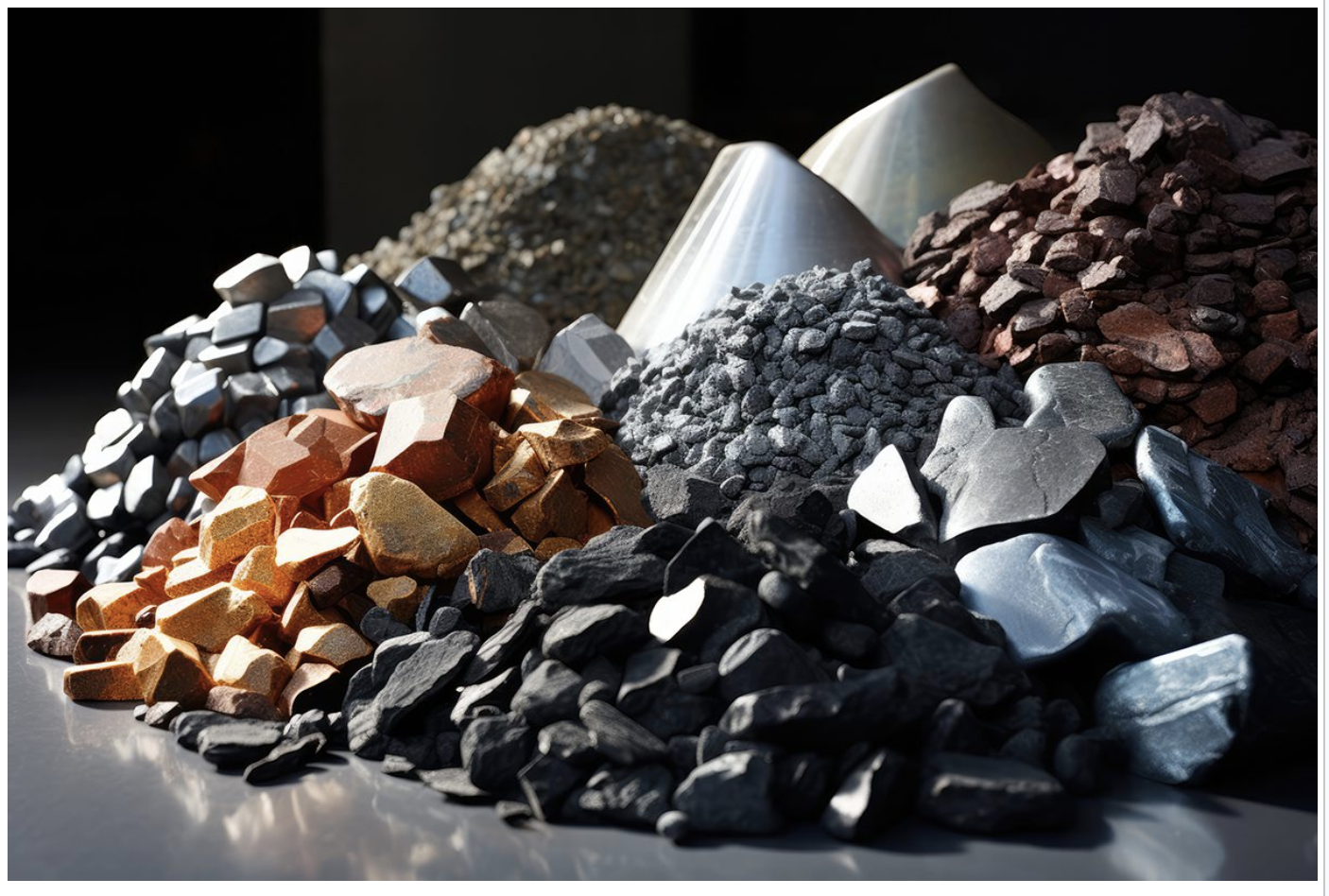 Figure 1: Critical minerals essential to modern supply chains [Courtesy: Visionary Fiber]
The goal is a single, powerful Western Canada critical minerals strategy. A vision that unites the region’s mineral wealth, infrastructure dreams and Indigenous partnerships. The full strategy will be due at the Energy and Mining Ministers Conference in June 2026.
Why Seven Jurisdictions Decided to Move Together
Each province and territory runs its own mining legislation, its own permitting process and its own relationship with the federal government. For investors trying to navigate all of that at once, it has been harder than it should be.
 Figure 2: Western and northern Canadian leaders at the critical minerals summit [Courtesy: Cabin Radio]
The MOU changes that framing. Seven jurisdictions now agree on three core commitments: promote Western Canada as a global hub for critical minerals innovation; prioritise regional mineral hubs; and map out the infrastructure needed not just to extract but to process and export at scale.
Jagrup Brar, B.C. The Minister of Mining and Critical Minerals called it a “generational opportunity beneath our feet.” That is not commodity cycle talk. That is a structural repositioning, and the distinction matters.
What Each Region Actually Brings
This is where the story becomes concrete. Western and northern Canada are not uniformly blessed with the same things. This is what makes this partnership logical instead of ceremonial. Every jurisdiction has a different edge.
| Province / Territory | Key Mineral Strength |
| British Columbia | Canada’s largest copper producer; only producer of molybdenum; one of the world’s largest fully integrated zinc refining complexes |
| Alberta | Leading refineries for nickel, cobalt, and magnesium; a potential US$1 trillion lithium brine resource confirmed in April 2026 |
| Saskatchewan | World’s largest potash producer; second-largest uranium producer; Canada’s largest helium producer |
| Manitoba | Home to one of only three active lithium mines in North America |
| Northwest Territories | Hosts 25 of the 34 critical minerals on Canada’s Critical Minerals List |
| Yukon | Copper, nickel, zinc, molybdenum, antimony, tin, manganese, tungsten |
| Nunavut | World-class zinc deposits; high-grade copper and uranium |
Together, these jurisdictions have access to five deepwater ports reaching both the Pacific and the Atlantic via Hudson’s Bay. For any Company thinking seriously about export logistics, that is not a minor detail.
Canada’s National Numbers: The Scale Behind the Strategy
What the Pipeline Actually Looks Like
The Western Canada agreement is a part of a bigger national plan. As of March 2025, Canada had 56 mineral mines that were operating. 31 mines were being actively processed.
In total, there were 171 projects for critical minerals and 28 projects for processing them. In 2024, people in Canada invested C$2.1 billion in exploring for minerals. This was a 4 per cent increase from the previous year.
It made up 51 per cent of all the money spent on exploring for minerals in Canada. The investment in critical mineral exploration is significant. Nearly 140 minerals and metals projects are planned or proposed in Canada alone to serve anticipated demand from 2024 and 2034.
The Investment Pipeline
Together, these proposed Projects represent a potential investment pipeline of C$117.1 billion, with roughly C$72.4 billion tied directly to critical minerals development.
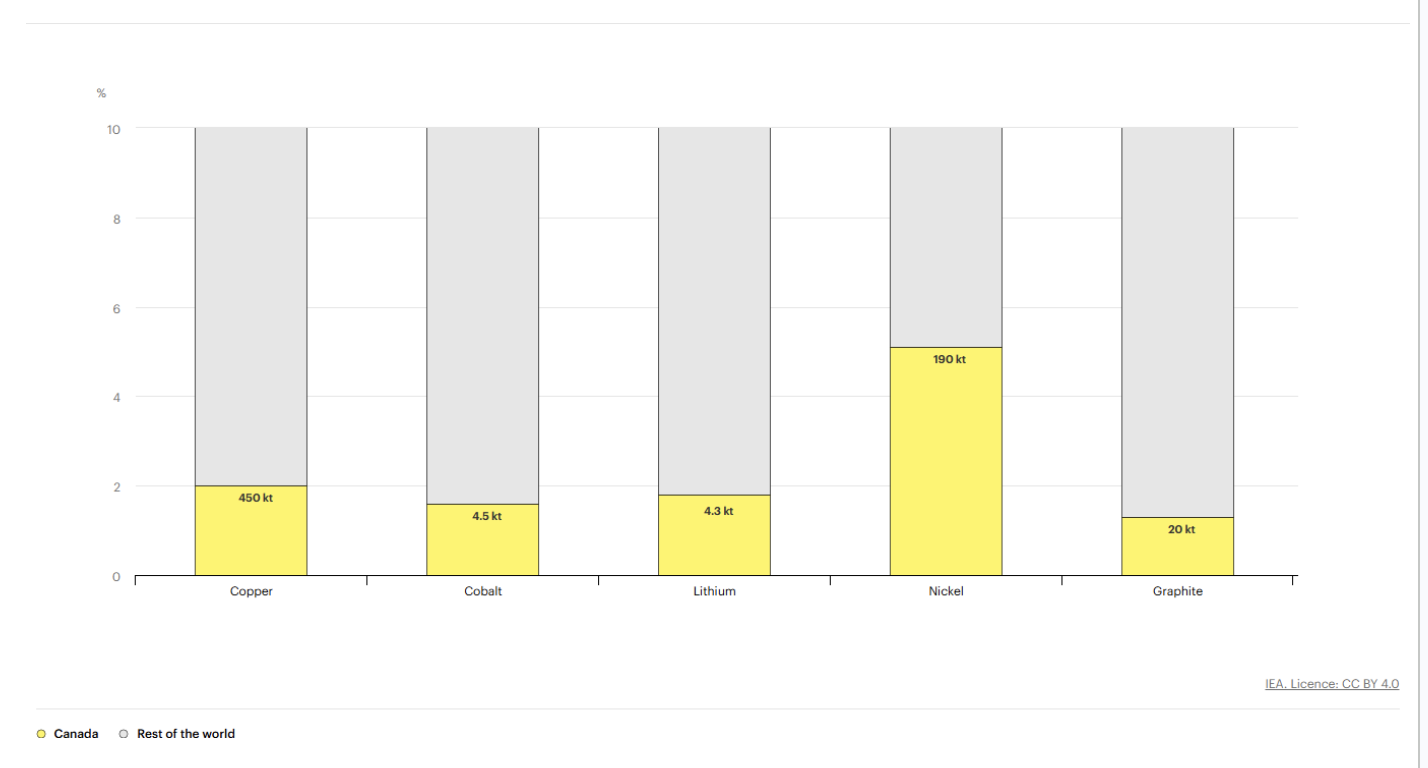 Figure 3: Canada’s share of global critical mineral production in 2024 [Courtesy: IEA]
Based on the February 2026 International Energy Agency’s Critical Minerals Review of Canada, the Country possesses lithium reserves capable of supplying nearly half of the cumulative global demand from 2030 to 2050. It provides about C$40 billion to GDP and supports around 110,000 direct and indirect jobs throughout the country.
 Figure 4: Canada’s share of global critical mineral reserves in 2024 [Courtesy: IEA]
The Federal Funding Stack Now Active
The regional plan is backed by federal money. Here’s where the funds are allocated:
- First and Last Mile Fund: C$1.5 billion allocated from 2026 to 2030. Those funds support mining and infrastructure projects. It intends to simplify the exporting of goods
- Critical Minerals Sovereign Fund: C$2 billion is available over the five years. This fund helps projects by investing money, lending funds, and making agreements to buy products
- Defence Industrial Strategy: C$443 million is allocated over five years. This money goes towards technologies that process minerals and store them domestically
- Key Tax Incentives: There are tax credits for exploring minerals and making clean technology. These were extended in 2025. They help reduce risks for explorers and project developers
BC Lithium, Alberta Refining, Saskatchewan Potash: The Real Stories on the Ground
This strategy runs deeper than government talking points. Companies across Western Canada are already advancing projects on the ground. These projects could form the backbone of a genuine critical minerals supply chain.
Alberta: The Lithium Brine Opportunity
Alberta’s lithium potential is attracting growing attention. In early 2026, the province confirmed a potential US$1 trillion lithium resource within its subsurface brine formations. Thanks to Alberta’s existing oil and gas infrastructure, direct lithium extraction (DLE) is emerging as a practical pathway to production.
E3 Lithium (TSXV: ETL) made history in 2025. The Company produced Alberta’s first battery-grade lithium carbonate at its Clearwater Project demonstration facility. Commercial production is targeted for 2028. Annual output should reach around 36,000 tonnes. The Project is also expected to create hundreds of jobs.
LithiumBank Resources Corp (TSXV: LBNK) is also making progress, with its Boardwalk Lithium Brine Project. The company is taking samples of brine. Testing a way to extract lithium directly. It is doing all this before it does a study to see if the project is feasible.
Northwest Territories and Alberta: The NICO Model
Fortune Minerals (TSX: FT) is building the NICO Project, a North West Territories mine along with an Alberta refinery. The project has already received substantial investment and essential approvals.
The kind of integrated value chain that the Western Canada strategy hopes to promote, where minerals are mined in the North and refined in Alberta before being sold into global markets.
Saskatchewan: Beyond Potash
Saskatchewan is more than a potash story. The province is the world’s largest potash producer, but it also produces uranium and helium. That combination makes it one of the most quietly important mining jurisdictions on the planet.
Recent high-profile projects like Foran Mining’s (TSX: FOM) McIlvenna Bay Copper Project illustrate the province’s expanding importance as a critical minerals development location, but there’s also another string to its bow as one of the premier mining investment destinations in the world.
The Geopolitical Context Driving All of This
Why the Timing Is Not Accidental
The Western Canada critical minerals strategy is a direct response to structural shifts in global mineral supply chains. China controls approximately 60 to 70% of global rare earth mining and over 80 to 90% of refining. Export controls by dominant suppliers have accelerated urgency among G7 governments.
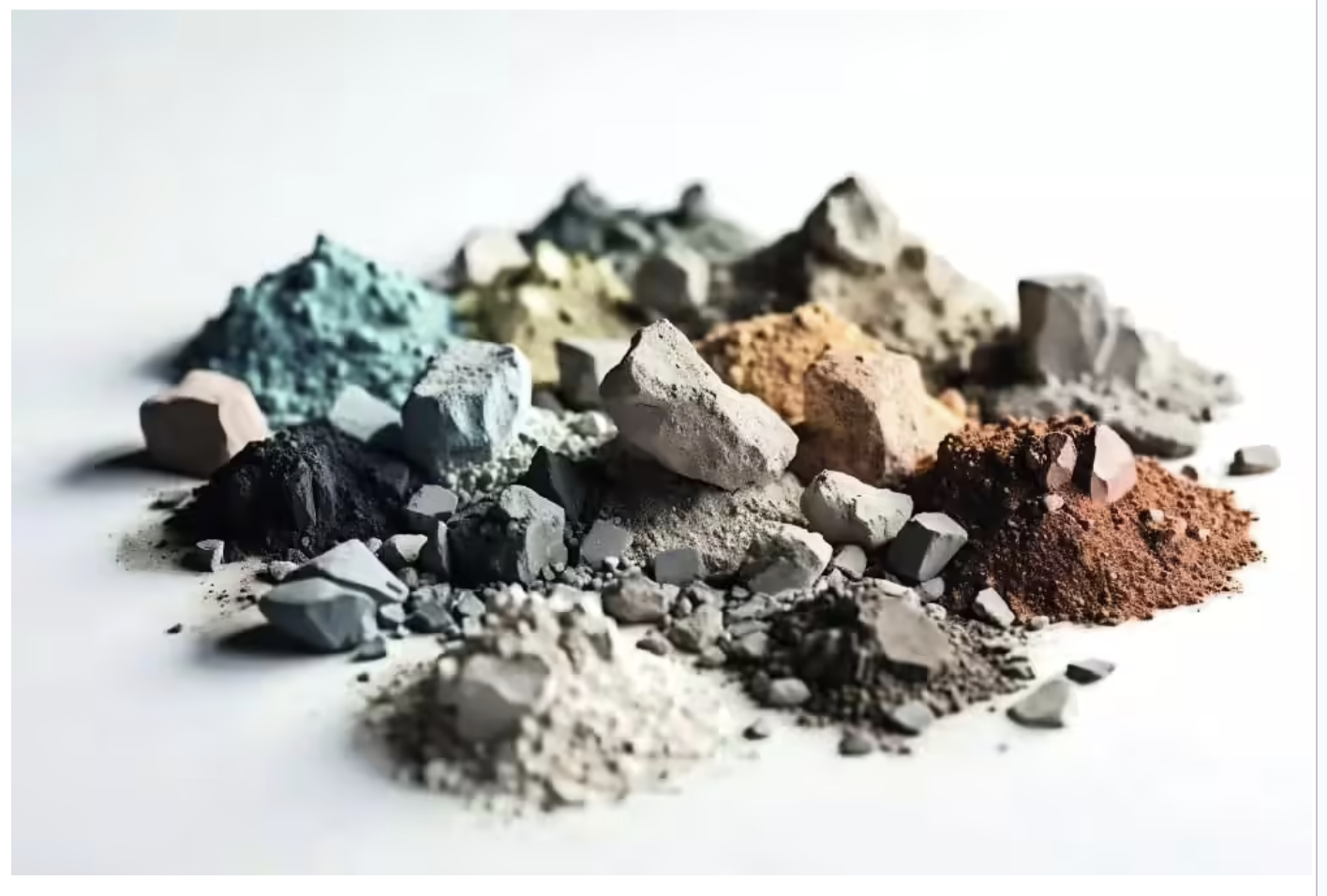 Figure 5: Critical minerals supporting industrial and energy transition needs [Courtesy: ET EnergyWorld]
Canada was the president of the G7 in 2025 and even took charge. It has also spearheaded the G7 Critical Minerals Action Plan and the Critical Minerals Production Alliance. Canada also announced a strategy to improve the efficiency of markets for minerals.
Through the Critical Minerals Production Alliance, which Canada joined and made 26 investments, as well as partnerships. This facilitated the initiation of nearly C$6.4 billion in mineral projects in Canada as of October 2025.
The United States Angle
From 2020 to 2024, Canada was less reliant on imports of important minerals. In fact, it has reduced its imports of minerals by 38 per cent. The United States started a project called Project Vault on February 2 2026. This project is worth US$12 billion. Aims to store all 60 critical minerals that are important to the United States.
The money for this project is coming from places, including US$10 billion from the Export-Import Bank. Canadian projects built around international supply chain cooperation stand to gain the most from this policy.
 Figure 6: USGS list of 60 critical minerals identified in 2025 [Courtesy: USGS]
Industry Outlook
The size of the global strategic mineral stockpiling market was US$8.50 billion in 2024, and is predicted to increase at a CAGR of 6.1% over the subsequent years to attain US$14.21 billion by 2033. That includes more than 48% of that market with battery materials: lithium, cobalt and nickel. North America is the fastest-growing region in this market.
 Figure 7: Global strategic mineral stockpiling market growth forecast [Courtesy: Grand View Research]
For critical minerals, Canada produces about 2% of the world’s supply for all six primary minerals, cobalt, nickel, lithium, copper, graphite and rare earths. RBC believes that the number could increase to 14% at full capacity if further Projects deemed viable come into service over this time frame. Which is seven times the amount sitting straight within the very geography laid out by the Western Canada critical minerals strategy.
The IEA noted in February 2026 that Canada’s ability to cover multiple stages of the supply chain, from midstream refining to downstream manufacturing, sets it apart from most other resource-rich nations.
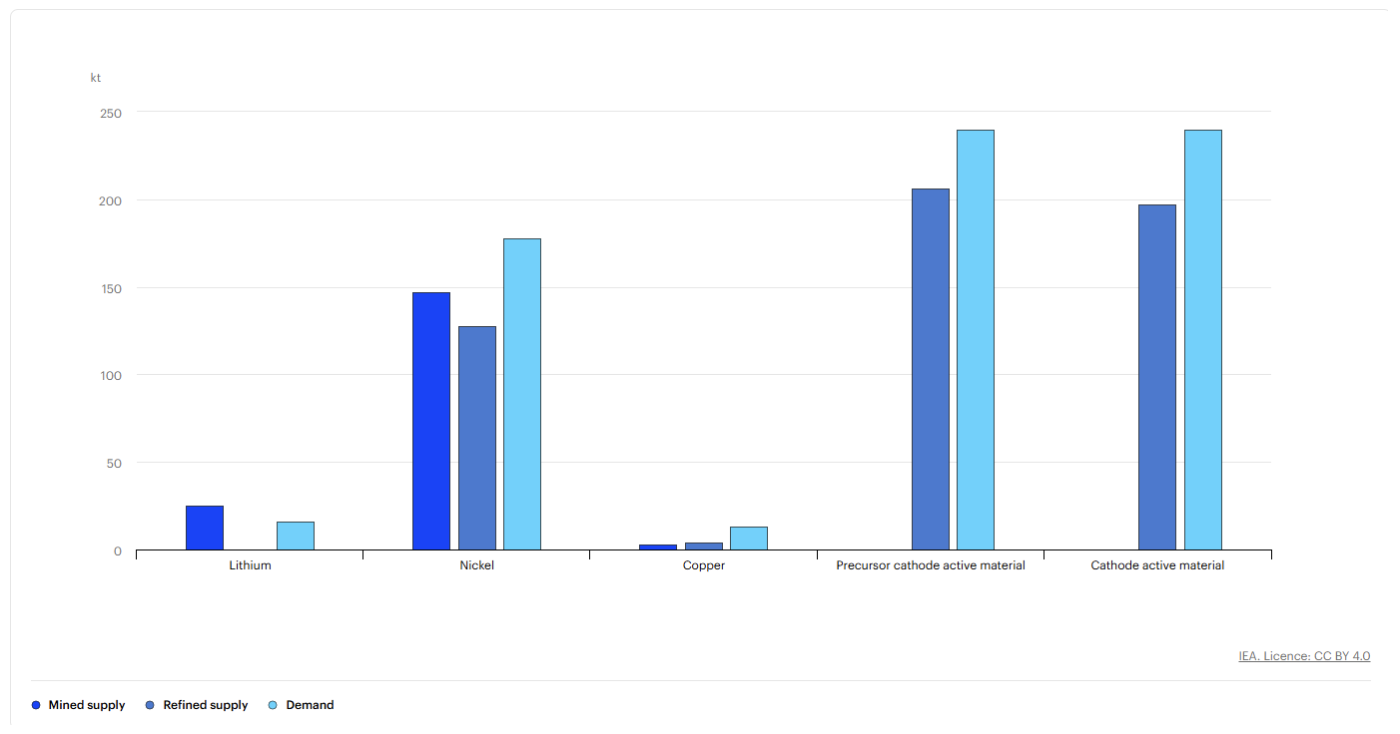 Figure 8: Projected Canadian demand and supply of critical minerals by 2030 [Courtesy: IEA]
What the June 2026 Strategy Document Will Need to Deliver
The MOU is the framework. June 2026 is where specificity has to show up. Analysts and investors will be watching for:
- Infrastructure investment map: An infrastructure investment map showing which corridors, ports, and transmission lines get priority
- Regional hub designations: which provinces lead on which minerals
- Export corridor details: how the five deepwater port accesses translate into actual logistics plans
- Permitting alignment: whether the “one project, one review” federal approach gets embedded into the provincial framework
- Indigenous ownership structures: how equity participation gets operationalised, not just referenced
At the time of the MOU signing, details were still light. June is when that changes. Or does not.
FAQ
Q1. What is the Western Canada Critical Minerals Strategy?
Ans. It is a regional framework signed as an MOU on 25 Jan 2026. Seven jurisdictions agreed to coordinate on mineral development, infrastructure, and export access.
Q2. Which minerals are the focus?
Ans. The focus includes lithium, cobalt, nickel, copper, rare earths, molybdenum, potash, uranium, and helium. Each jurisdiction brings a distinct mineral strength to the region.
Q3. How much federal funding is behind this?
Ans. The C$1.5 billion First and Last Mile Fund and C$2 billion Critical Minerals Sovereign Fund are both active. The C$443 million Defence Industrial Strategy adds further processing and stockpiling support.
Q4. When does the full strategy release?
Ans. June 2026, timed to the Energy and Mining Ministers Conference.
Disclaimer
This article is intended for informational purposes only. If you pay attention to the Western Canada critical minerals sector as an investor, then all the data in the content is from third-party sources. Please check out the complete share price and market data info. Investing carries a high risk, and you should only invest at your own risk. Mining Herald has no involvement in the above-listed companies.
- https://news.gov.bc.ca/releases/2026MCM0002-000070
- https://voiceonline.com/canadas-western-northern-regions-to-develop-a-shared-critical-minerals-strategy/
- https://www.canada.ca/en/campaign/critical-minerals-in-canada/canadas-critical-minerals-strategy/canadas-critical-minerals-strategy-progress-update.html
- https://www.grandviewresearch.com/industry-analysis/strategic-mineral-stockpiling-market-report
- https://www.iea.org/commentaries/canada-is-set-to-play-a-leading-role-in-supplying-the-world-with-responsibly-produced-critical-minerals
Filed under

About the author
Plamen Vasilev
Plamen Vasilev is a writer and language specialist with over 6 years of experience developing informative and engaging content across multiple industries. He combines strong research skills with a deep understanding of finance, mining, technology, and business topics to create well-crafted articles that connect with readers.

