
Key Takeaways
- 01 Capital discipline is reshaping commodity supply curves into 2026.
- 02 AI infrastructure capex is becoming a primary macro variable.
- 03 Central bank policy across AU, CA and US is converging on neutral.
Hecla closed at USD 10.90 on 24 November, roughly 2.7% lower for the session. Concern about higher interest rates weighed on silver and its producers. For shareholders, the move raises a familiar question: how much of a miner’s value depends on metal prices staying favourable? In this article, Mining Herald examines the operating figures and the risks behind that daily move.
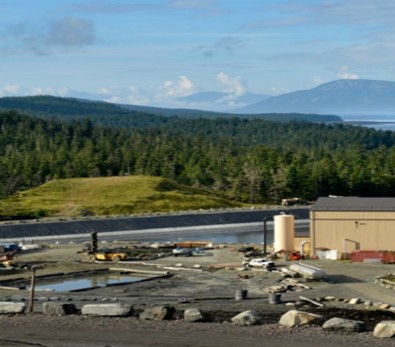
Figure 1: Hecla’s Greens Creek mine in Alaska. Company website photograph; used to illustrate an operating asset, not the November trading session. Credit: Hecla Mining Company.
A Lower Silver Price Changes Expectations Before It Changes the Accounts
How does silver price affect Hecla Mining stock? A price fall can reduce the revenue investors expect from future deliveries. The share market can respond immediately, even though the company has not yet sold that metal or published another set of results.
Production expenses do not necessarily fall with the selling price. Underground crews still need to be paid. Equipment needs servicing, and the mill needs power. If those bills stay broadly unchanged, a lower price leaves less cash from each ounce.
That helps explain why a producer’s shares can move more sharply than the metal. Shareholders own the business after its expenses and obligations. They are not simply holding silver in storage.
Mining Herald’s coverage of how inflation concerns can affect gold and silver shares explores the wider market pressure. For an individual company, the question is how that pressure reaches its own deliveries and costs.
The Latest Quarter Shows What the Mines Had Earned
Hecla’s third-quarter results provide a starting point. Continuing operations generated USD 203 million of operating cash flow and USD 151 million of free cash flow, both quarterly records. Quarter-end cash was USD 692 million; debt was nil excluding finance leases.
| Measure | Reported Figure |
| Share price, 24 November close | USD 10.90 |
| Daily share-price change | Approximately –2.7% |
| Q3 operating cash flow, continuing operations | USD 203 million |
| Q3 free cash flow, continuing operations | USD 151 million |
| Cash at quarter-end | USD 692 million |
Cash already earned gives a company room to meet bills. It does not fix the price of future output. Equally, a weak trading session does not erase cash on the balance sheet.
The two sets of figures answer different questions. The quarterly accounts describe a completed period. The share price reflects what buyers and sellers are prepared to pay for the business now, including their expectations for later periods.
Reported Costs Need to Be Read With Their Exclusions
Hecla reported third-quarter silver all-in sustaining costs of USD 14.34 per ounce, excluding Keno Hill, which had not reached commercial production. Silver production from continuing operations was about 4.2 million ounces.
An all-in sustaining cost figure is useful, but the label needs reading. A measure that excludes a developing operation cannot describe every dollar the group needs. Nor does it automatically include all growth spending, financing expenses or taxes.
By-product credits require similar care. A mine producing other saleable metals can deduct those revenues in calculating its reported silver costs. Stronger by-product prices may improve that figure without making labour or electricity any cheaper.
Before comparing two miners, check whether they calculate the measure on the same basis. Otherwise, the apparently cheaper producer may simply be reporting a different mix of operations and credits.
Production Constraints Can Matter Even When Silver Recovers
Keno Hill provides a separate operating issue to watch. Hecla said milling rates would be reduced from the fourth quarter to preserve available tailings, waste-rock and water-treatment capacity while it pursued licence amendments.
A better silver price cannot expand permitted storage capacity. Where processing is constrained, extra revenue depends partly on how many ounces can be produced and delivered, not just what each ounce might fetch.
This is why a company update deserves more attention than a simple comparison of its chart with silver. Changes underground, maintenance schedules and approvals can pull earnings in a different direction from the commodity.
Investors Need a Price Assumption They Can Defend
Is Hecla Mining stock a good investment? The daily fall alone cannot answer that. A lower share price could improve the entry price, but only if the expected earnings and risks still justify what the buyer pays.
One useful exercise is to test the business under a less generous silver price. If an investment case requires recent favourable conditions to continue indefinitely, a small change in those conditions may have a large effect on its valuation.
The next updates should help with four checks:
- Selling prices: Compare the prices actually achieved on deliveries with the assumptions behind expected revenue.
- Production: Check whether recovered and sold ounces are keeping pace with the mine plan.
- Spending: Read sustaining and growth expenditure alongside operating cash flow.
- Capacity: Look for progress on the approvals and facilities needed to support processing.
The Next Results Will Test the Market’s Concern
Hecla’s November sell-off shows that a strong reported quarter offers no guarantee against a change in sentiment. Investors can acknowledge the cash generated while asking whether the following quarters will be as profitable.
The useful comparison will be between the next realised prices, operating costs and cash balance. If silver remains weaker, those figures should show how much pressure the business can absorb. If it rebounds, mine performance will still determine how much of that recovery reaches shareholders.
ALSO READ: Silver Moving Average Breakdown: Support Under Pressure
FAQs
Did Hecla’s Share-Price Fall Mean Its Mines Stopped Performing?
No. A daily market move can reflect changed expectations. Operating performance needs to be assessed through production, costs and cash-flow disclosures.
Does Hecla Give Investors the Same Exposure as Owning Silver?
No. Shares also carry operating, spending and company-specific risks. Their returns can differ substantially from movements in the metal.
Does a Low Reported Cost Guarantee a Profit?
No. Check which operations and expenses the measure includes, along with realised selling prices and the company’s other obligations.
Is USD 10.90 a Share-Price Forecast?
No. It is the reported closing price on 24 November 2026, not a target or a live quote.
Disclaimer
This article provides general information, not a personal investment recommendation. Market prices are dated, and company cost measures have specific definitions and exclusions. Mining shares and commodity prices can fall; past cash generation does not guarantee future returns.
Filed under
About the author
Hasan MH
Senior markets editor at Mining Herald. Covers resources, macro and corporate strategy across Australia and North America with two decades of capital markets experience.