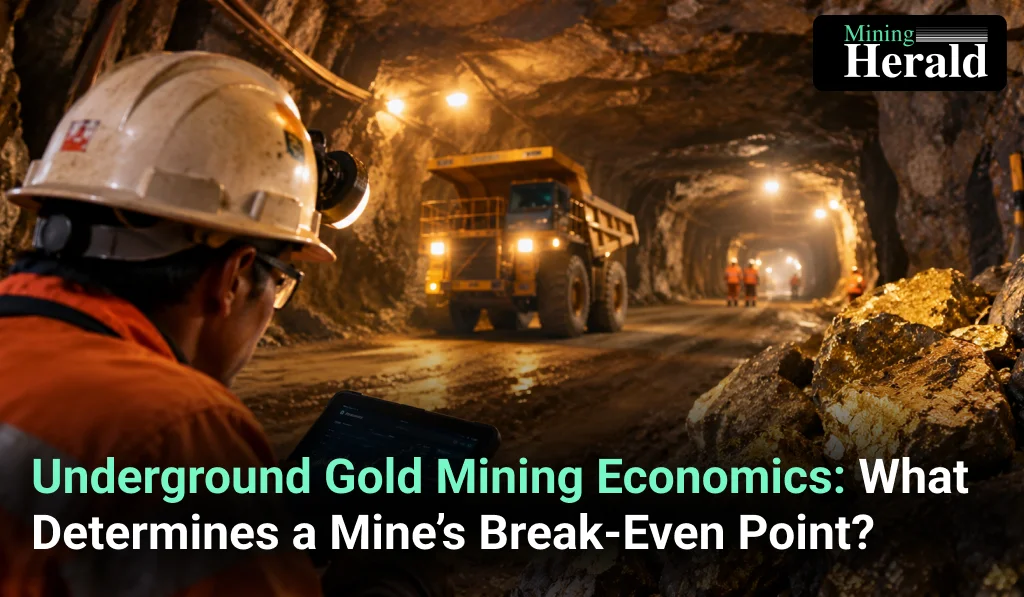
Underground Gold Mining Economics: What Determines a Mine’s Break-Even Point?
Gold hit US$5,595 per ounce in January, yet costs still rose year on year for the 28th time running. So who really keeps the profit?
 Mining news
Category
Gold hit US$5,595 per ounce in January, yet costs still rose year on year for the 28th time running. So who really keeps the profit?
One producer has a long mine life. Another reports lower costs. A third promises a sizeable production increase. Deciding between them takes a closer look at what each claim includes.
Kiaka processed more ore and delivered more gold in the September quarter. That increase covered a weaker quarter at Sanbrado and helped WAF report another group production record
The Global X Uranium ETF rose 4.0% on the Google and Constellation deal, then fell 4.4% a day later. Momentum cuts both ways for ASX uranium stocks.
A processing plant requires a steady supply of ore. The current mining area is starting to run low so it is worth a closer look at the next deposit along the access road.
All mining projects originate from simple concepts in the head of a geologist. Teams investigate prior logs and search for unusual chemical markers found…
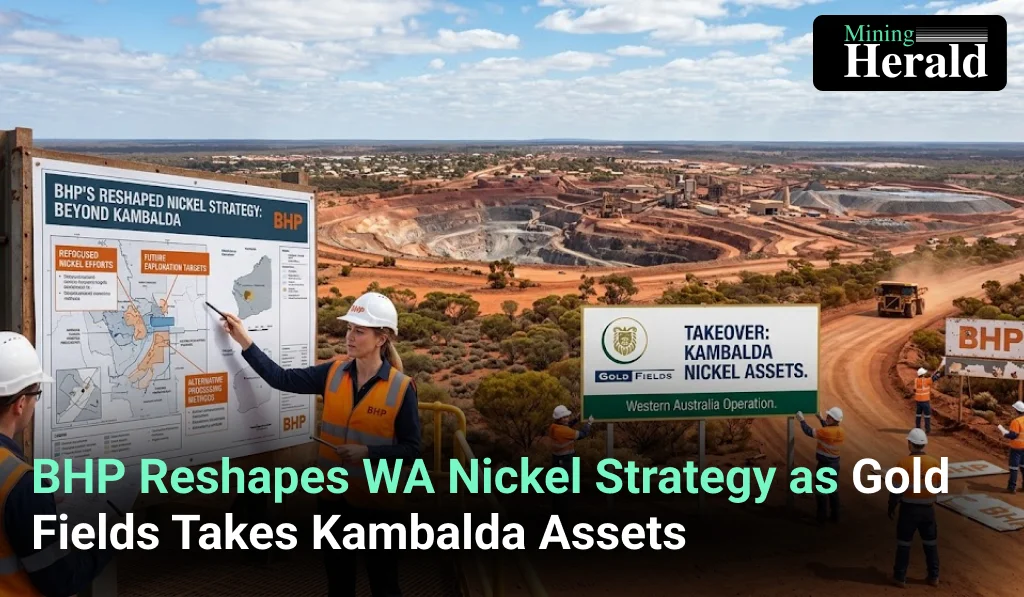
BHP skipped the obvious buyer and sold its Kambalda concentrator to a gold miner. The nickel exit has a surprise first step, and the price stays secret.
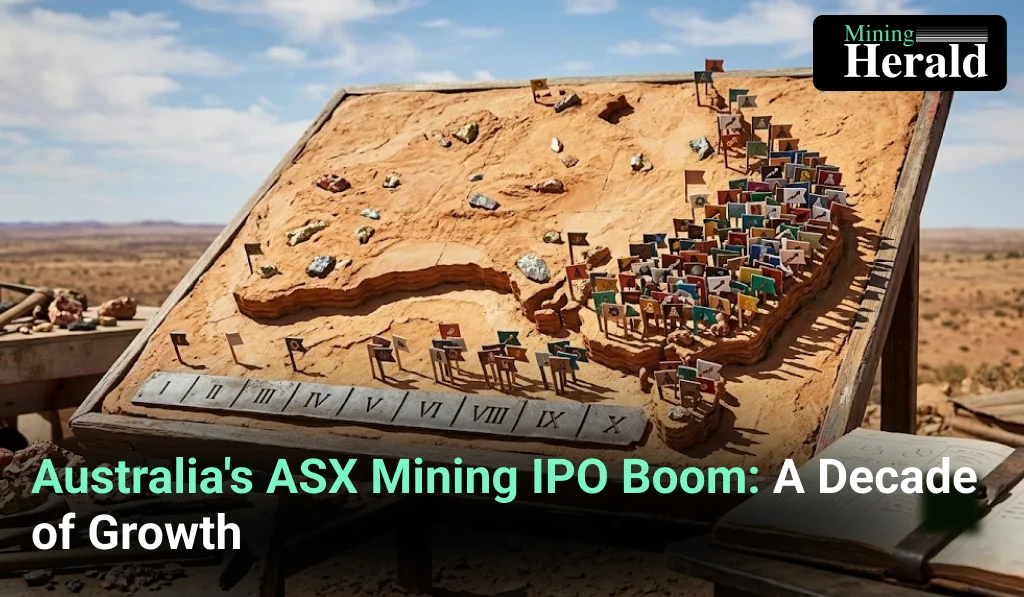
The ASX mining IPO boom transformed the global resource sector over the past decade. Over 860 metals and mining companies now call the Australian Securities Exchange home. They operate across 85 different countries worldwide.
About 40% of the world's public miners list on TSX or TSXV. The board an investor picks sets how much early-stage risk follows.
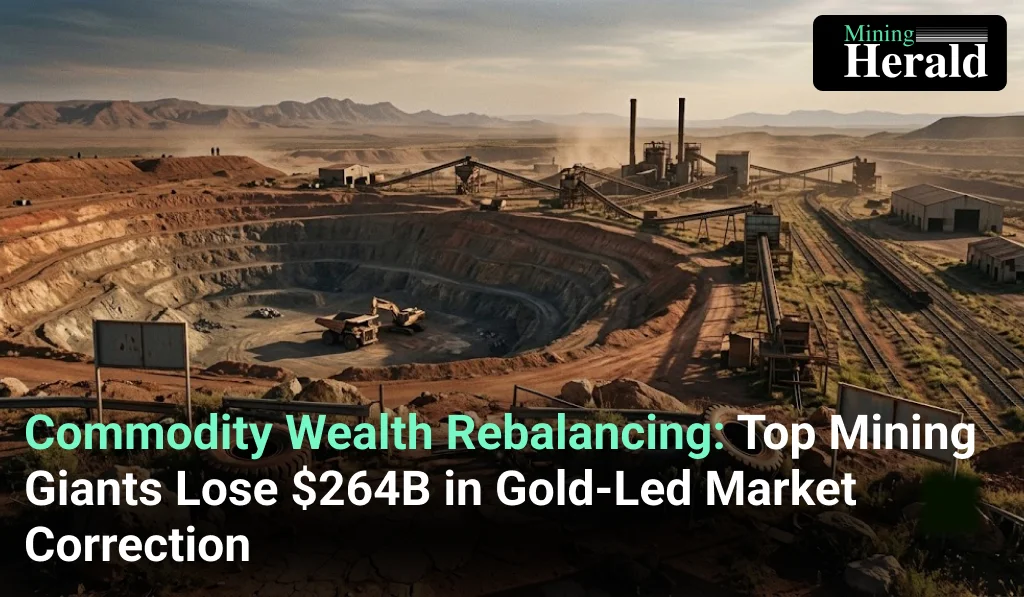
September took back much of the mining sector’s August gain. Gold producers led the retreat, while lithium losses pushed two companies out of the top 50.