



Key Takeaways
- 01 Capital discipline is reshaping commodity supply curves into 2026.
- 02 AI infrastructure capex is becoming a primary macro variable.
- 03 Central bank policy across AU, CA and US is converging on neutral.
For investors following ASX Gold Stocks, the next phase of growth depends on decisions being made beyond the trading screen. Board appointments, processing investments and the integration of acquired mines are shaping how producers intend to turn their asset portfolios into future earnings.
Northern Star Resources and Ramelius Resources illustrate different stages of that process. Northern Star is a global-scale producer strengthening oversight during a leadership transition. Ramelius is pursuing a larger production base through its Western Australian projects.
The momentum here concerns corporate and operational progress. It should not be confused with evidence that both share prices are rising together.
Northern Star Adds Experience During Its Transition
Northern Star announced on 14 September that Mark Cutifani and Peter Rozenauers would join as independent non-executive directors from 1 October 2026.
The appointments followed an evaluation of candidates proposed by Elliott Investment Management and discussions with the shareholder. They also follow the earlier appointments of Jeff Quartermaine and Terry Bowen.
Cutifani brings experience leading Anglo American and AngloGold Ashanti. Rozenauers combines mining engineering with resources investment and financing experience.
Both will join the previously announced subcommittee chaired by Quartermaine. Shareholders will be asked to reappoint them at the November annual general meeting.
The changes add oversight capacity as the company transitions to senior leadership under Suresh Vadnagra. They do not, by themselves, announce revised project economics or production guidance.
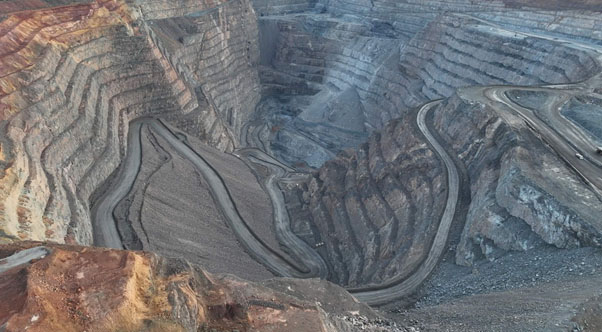
Figure 1: KCGM in Western Australia, where Northern Star operates the Super Pit and associated mining and processing assets. Image credit: Northern Star Resources.
Why KCGM Gives Governance a Practical Context
KCGM produced 468,000 ounces in FY2026, according to Northern Star’s operation profile. Its assets include the Fimiston open pit, underground mines and processing facilities.
That operating scale helps explain why execution matters alongside board composition. Decisions about mining schedules, plant performance and capital spending can influence substantial production volumes.
The September appointment announcement specifically references commissioning of the new Fimiston Mill and development of Hemi.
For investors, the connection is straightforward: experienced directors can scrutinise those programmes, but results must eventually demonstrate whether the spending delivers its intended benefits.
Governance is part of the investment case. It cannot substitute for operating performance.
The Strategic Questions Behind Board Renewal
Northern Star’s changes raise several practical questions for shareholders:
- Project oversight: How effectively will management monitor spending, schedules and commissioning?
- Capital priorities: Which investments offer the strongest case when projects compete for funding?
- Operational accountability: Do subsequent updates explain differences between targets and actual results?
- Shareholder communication: Are changes to assumptions disclosed clearly enough to assess their consequences?
These are analytical questions rather than newly announced board commitments. Their value lies in connecting leadership changes with measurable outcomes.
A stronger mix of experience matters most when it improves decisions that affect costs, output and cash generation.
Ramelius Moves From Acquisition to Integration
Ramelius’s strategy centres on connecting ore sources with processing capacity.
Its acquisition of Spartan Resources in July 2025 brought Dalgaranga into the portfolio. The company reports that the first Never Never ore was trucked to Mt Magnet in February 2026.
That marks a practical step beyond completing a transaction. Acquired deposits must fit a mine schedule, transport system and processing plan before their potential can translate into sustained production.
Ramelius describes Mt Magnet as its cornerstone hub, incorporating several regional ore sources.
The Northern Star Ramelius comparison therefore spans two distinct challenges: oversight of a large operating portfolio and integration of assets intended to expand a smaller producer’s scale.
Processing Design Explains the Ramelius Approach
The October 2025 Mt Magnet–Dalgaranga Integration Study selected a single processing location at Mt Magnet, with capacity ultimately reaching up to five million tonnes annually.
The study estimated A$223 million for the plant expansion and proposed two circuits. One would be adapted for finer grinding of Dalgaranga material; the other would process Mt Magnet ore sources.
Both circuits were scheduled to operate in the September 2027 quarter.
This is more specific than simply pursuing additional ounces. The design recognises that different ore sources have different processing requirements.
The investment case now depends on whether construction, recovery performance and operating costs support those study assumptions. Mt Magnet–Dalgaranga Integration Study
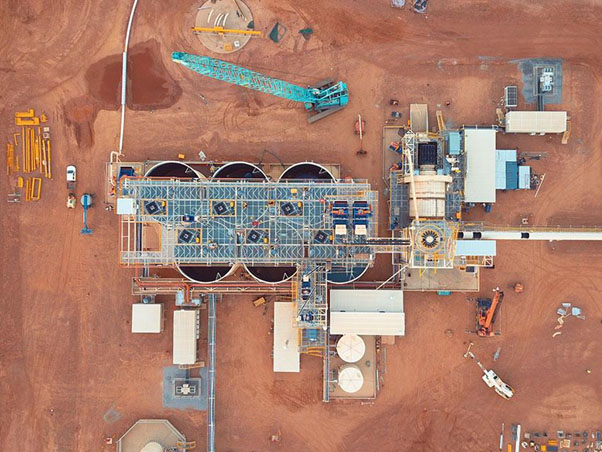
Figure 2: Archival aerial view of the Dalgaranga processing facility. Image credit: GR Engineering Services.
How the Two Strategies Compare
Northern Star should not be categorised as a mid-tier producer simply because it appears alongside Ramelius.
Its relevance to Mid-Tier Mining Strategy is comparative: larger producers demonstrate the oversight and operating demands that accompany expansion.
| Strategic issue | Northern Star | Ramelius |
| Current emphasis | Board renewal and project oversight | Mine integration and processing expansion |
| Asset examples | KCGM and Hemi | Mt Magnet and Dalgaranga |
| Delivery question | Can major programmes meet expectations? | Can combined assets deliver the planned operating benefits? |
| Investor evidence | Commissioning, spending and operational updates | Integration progress, plant construction and recoveries |
The companies are separate businesses with different operating profiles. This comparison does not imply a partnership or shared corporate plan.
Rebecca-Roe Adds Another Development Stage
Ramelius also has a second growth programme at Rebecca-Roe, approximately 150 kilometres east of Kalgoorlie.
Its published project overview forecasts average production of 130,000 ounces annually across the mine life. Plant construction is scheduled for the December 2027 quarter, with first gold forecast for the December 2028 quarter.
The company identifies outstanding permitting and approval requirements.
Those dates are development targets, rather than completed milestones. They also introduce a sequencing question: how effectively can Ramelius manage this project alongside the Mt Magnet expansion?
That makes scheduling, organisational capacity and funding discipline central to the broader growth assessment.
Where Growth Can Lose Its Financial Advantage
Expanding a mining business creates several tests:
- Construction costs: Higher expenditure can reduce the value expected from additional production.
- Processing performance: Planned throughput must be accompanied by suitable recoveries and reliable operation.
- Integration demands: Acquired assets require coordinated staffing, transport and mine planning.
- Approvals: Development schedules depend on permissions as well as engineering readiness.
- Capital allocation: Pursuing several projects can increase demands on management and finances.
These are considerations for assessing the plans, not a claim that either company has encountered every problem listed.
For ASX Gold Stocks, growth quality matters alongside growth volume.
The Evidence to Track From Here
The next reporting periods should provide more useful comparisons than headline ambitions:
- Northern Star: Look for detail on Fimiston commissioning and Hemi development.
- Ramelius: Track processing expansion against the published schedule.
- Operating delivery: Compare output, recovery and costs with company guidance.
- Cash generation: Examine how investment spending affects the funds retained by each business.
- Development progress: Check whether approvals and construction milestones support forecast dates.
A production target becomes more credible as these intermediate steps are completed. Missing information deserves attention even when the broader gold investment narrative remains favourable.
Outlook
Northern Star and Ramelius are addressing different parts of the same commercial problem: turning an asset base into dependable returns.
Board renewal can strengthen scrutiny. Mine integration and processing investment can create opportunities for expansion. Neither guarantees success.
The next phase of the Northern Star Ramelius story will be judged through execution, with project milestones and financial results providing the evidence.
FAQ
Are both companies mid-tier miners?
No. Northern Star operates at a larger, global scale.
What underpins Ramelius’s integration strategy?
Combining regional ore sources with processing at Mt Magnet.
Are development schedules guaranteed?
No. Published dates remain subject to execution and relevant approvals.
Also Read: ASX Mining Stocks Slide as Rate Hike Fears and Oil Surge Pressure the Resource Sector
Disclaimer
Prepared for Mining Herald using publicly available company disclosures reviewed on 18 September 2026. This article provides general information, not investment advice. Production forecasts, study estimates and development schedules may change. Readers should assess current disclosures and their own circumstances before making investment decisions.
Filed under

About the author
Jonathon Brown
Jonathon Brown began his career as a broadcaster, working across markets in British Columbia before moving into financial journalism. Since 2017, he has specialised in stock market reporting, covering emerging companies across the healthcare, technology, mining and consumer sectors. He brings more than 15 years' experience to his reporting. A graduate of Vancouver Island University and the British Columbia Institute of Technology, Jonathon is focused on delivering clear, balanced reporting for investors.