

Key Takeaways
- 01 Capital discipline is reshaping commodity supply curves into 2026.
- 02 AI infrastructure capex is becoming a primary macro variable.
- 03 Central bank policy across AU, CA and US is converging on neutral.
A deal that looked close to done a year ago is now stuck in Brussels. European Union regulators are preparing to send MMG Ltd (1208.HK) a statement of objections over its plan to buy Anglo American’s Brazilian nickel business. The warning has not been issued yet. But three people familiar with the matter told Reuters it is coming this month.
That single case captures something bigger than one nickel unit changing hands. Mining M&A regulations are tightening across almost every major jurisdiction at once, and dealmakers are having to plan for it from day one.
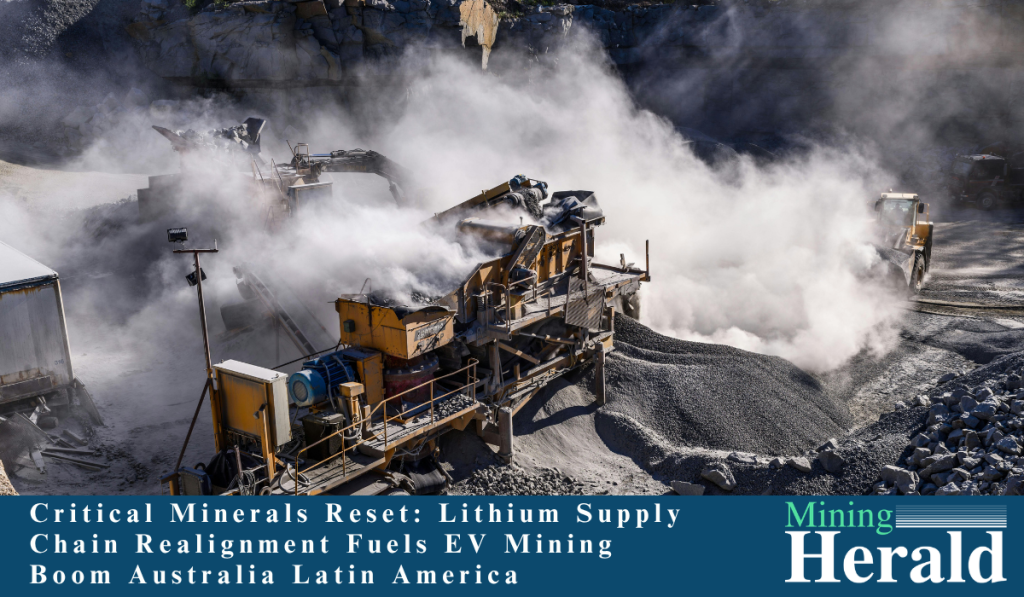
 Figure 1: Critical mineral concentrates as these sit at the centre of the EU’s supply security concerns [Courtesy: Mining.com]
Brussels Prepares Its Charge Sheet Against MMG
The European Commission’s concern centres on ferronickel supply. Officials believe MMG’s purchase of Anglo American’s Brazilian nickel assets could let MMG divert ferronickel away from Europe. That, the Commission said in November, risks undermining the competitiveness of European stainless steel producers.
MMG could try to head off the formal warning by offering remedies. One source told Reuters this is regarded as unlikely. The European Commission and MMG have both declined to comment publicly.
Anglo American has pushed back hard. The Company repeated what it said about two weeks ago. In its view, the deal does not raise competition issues. It also said the deal should move ahead without any added conditions.
It pointed to a wider rise in ferronickel supply from other producers during the past year. The Company added that European buyers have changed suppliers before when they felt it was necessary.
Why Brussels Is Watching Critical Minerals So Closely
This is not simply a competition case. It sits inside a wider EU anxiety about reliance on China for critical minerals used in defence, technology and renewable energy.
- Beijing’s use of export controls on critical minerals has sharpened EU concern over supply security
- The Commission’s underlying competition concern is specific: MMG’s deal could let it divert ferronickel away from Europe, undermining European stainless steel producers
- That concern is unfolding against a broader backdrop of EU unease about dependence on China-linked supply chains for critical minerals
- MMG is a Chinese state-linked buyer, which places the deal at the intersection of ordinary competition review and the EU’s wider strategic anxiety, even though the formal case itself is being brought on competition grounds
Consolidation Is Accelerating Just as Scrutiny Intensifies
The MMG case is not an isolated flashpoint. It arrives at a moment when mining consolidation is picking up pace globally, according to law firm analysis in the Global M&A Outlook 2026 mining sector report.
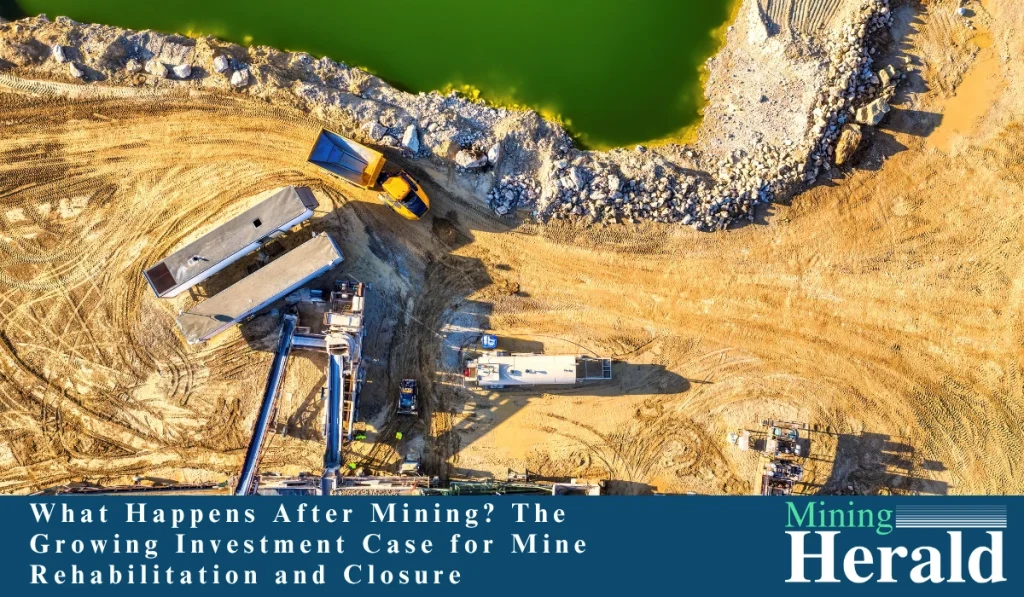
 Figure 2: Anglo American has defended its nickel sale as posing no competition risk to Europe [Courtesy: Anglo American]
- Anglo American’s plan to merge with Teck Resources is still a major topic this cycle. It is meant to build a big company centred on copper.
- Renewed merger talks between Rio Tinto and Glencore surfaced in early 2026, though discussions have since terminated
- Copper projects that are seen as truly high quality still draw heavy interest. Rivalry for them stays strong throughout the sector.
- Australia’s mandatory merger control regime commenced on 1 January 2026 and continues to develop as it is applied to live deals
- Large-cap take-private deals are expected in Australia, as private equity interest in listed miners grows
- The EU’s proposed Industrial Accelerator Act could cap non-EU ownership at 49% in certain strategic sectors, forcing foreign investors into joint ventures
- FDI screening is expanding across Australia, Canada, the UK, the US and a number of African countries
What Tighter Scrutiny Means for Dealmakers
For a Company weighing a major mining acquisition, the regulatory path is no longer a formality tacked on after signing. It is a variable that shapes deal structure, timing and price from the outset.
The mining mergers regulatory impact is already visible in deal design. Deals with contingent value terms, earn-outs, and royalty clauses are showing up more often. They help close the gap when price talks stall, but the final regulatory result is still unclear.
In parts of Africa, companies are also turning to staged takeovers and joint ventures. Local governments are pushing more for state involvement, or they want free-carry style deals.
Risks for buyers and sellers now include:
- Extended timelines between signing and completion
- Higher execution risk if remedies are demanded late in the process
- Greater exposure to foreign investment screening outcomes
- Potential requirements around local content, processing and offtake commitments
- The possibility of deals being abandoned at a late stage
Industry Outlook
Global M&A activity reached over US$4.3 trillion in 2025, up nearly 40% on 2024, driven largely by megadeals rather than deal volume. The United States and, to a degree, the UK have been rebalancing regulatory intervention against growth priorities.
Elsewhere, the direction remains firmly toward more scrutiny, more FDI screening and more multi-jurisdictional complexity for large transactions.
For mining specifically, critical minerals will likely remain the central driver of dealmaking through 2026, alongside continued government appetite for stockpiling, offtake mechanisms and in-country processing commitments.
MMG’s Case Could Set the Template for Critical Minerals Deals
The formal statement of objections has not yet landed. When it does, MMG will have to respond within a set window, and the outcome will be closely watched by every mining Company weighing a cross-border critical minerals transaction.
- Impact on critical minerals M&A: a drawn-out or blocked MMG deal would signal Chinese-linked buyers face a materially higher bar in Europe, regardless of commercial logic
- Impact on European supply chains: the case will test whether Brussels is prepared to intervene in mid-sized deals, not just the largest mergers
- Impact on future dealmaking: buyers and sellers negotiating similar transactions are likely to build longer regulatory timelines and contingency terms into deal documents from the outset
Mining Herald will continue tracking the MMG-Anglo American case as Brussels’ formal objections land, and what they signal for the next wave of critical minerals dealmaking.
FAQ
Q1. Why is the EU looking into MMG’s nickel deal?
Ans. Brussels thinks it could cut Europe off from ferronickel supply, hurting local stainless steel makers.
Q2. Has the deal been blocked?
Ans. Not yet. This is a warning shot, not a final ruling.
Q3. What’s a statement of objections?
Ans. Basically, the EU’s charge sheet; it lays out what MMG needs to fix before the deal gets a green light.
Q4. Is this happening elsewhere too, not just the EU?
Ans. Yes. Australia’s new merger rules kicked in this year, and countries like Canada, the UK and the US are all watching foreign deals more closely.
Q5. Why do critical minerals deals get extra heat?
Ans. Because they touch defence, energy and China dependence — not just market competition.
Disclaimer
This article is intended for informational purposes only. If you pay attention to the global metals and critical minerals sector as an investor, all data in this content is from third-party sources. Please check out the complete share price and market data info. Investing carries a high risk, and you should only invest at your own risk. Mining Herald has no involvement in the above-listed company.
Filed under

About the author
Jonathon Brown
Jonathon Brown began his career as a broadcaster, working across markets in British Columbia before moving into financial journalism. Since 2017, he has specialised in stock market reporting, covering emerging companies across the healthcare, technology, mining and consumer sectors. He brings more than 15 years' experience to his reporting. A graduate of Vancouver Island University and the British Columbia Institute of Technology, Jonathon is focused on delivering clear, balanced reporting for investors.