

Key Takeaways
- 01 UBS raised its long-term iron ore price estimate from USD 85 to USD 93 a tonne. Its reasoning rests partly on how much supply would struggle to cover cash costs at lower prices.
- 02 A higher long-term benchmark does not automatically make a miner’s shares more valuable. Freight, product discounts and spending on replacement mines can absorb part of the gain.
- 03 Fortescue’s September quarter shows why shipments and sales deserve separate attention: it sold 42.9 million tonnes, 3.9 million tonnes less than it shipped.
For investors in Australian iron ore stocks, part of the earnings outlook depends on decisions made at somebody else’s mine. If enough expensive producers cut output,
The following shipment may be less competitive for Australian exporters. But cutbacks take time. BHP, Rio Tinto, and Fortescue must sell ore, pay for transport, and finance new mines.
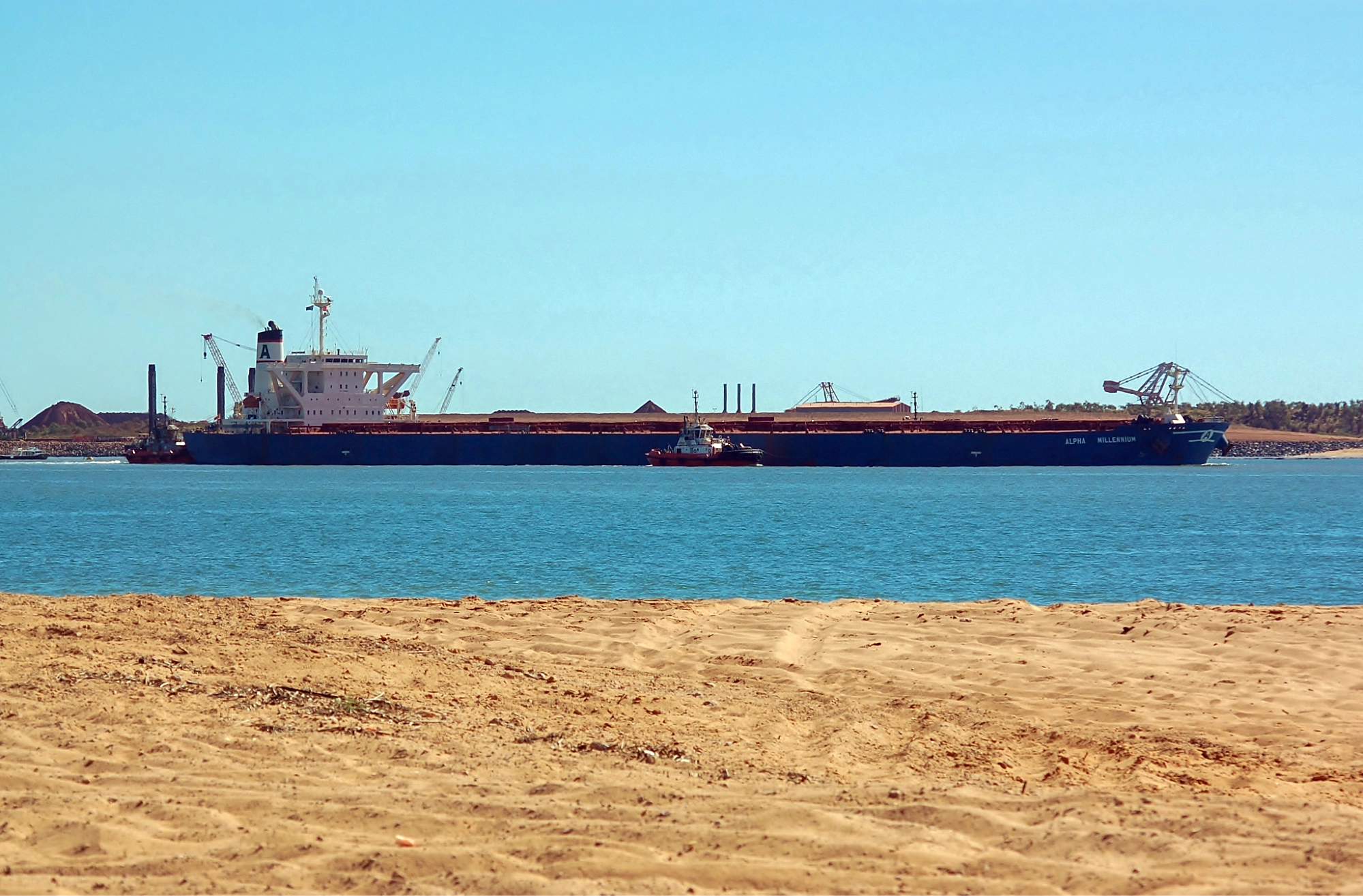
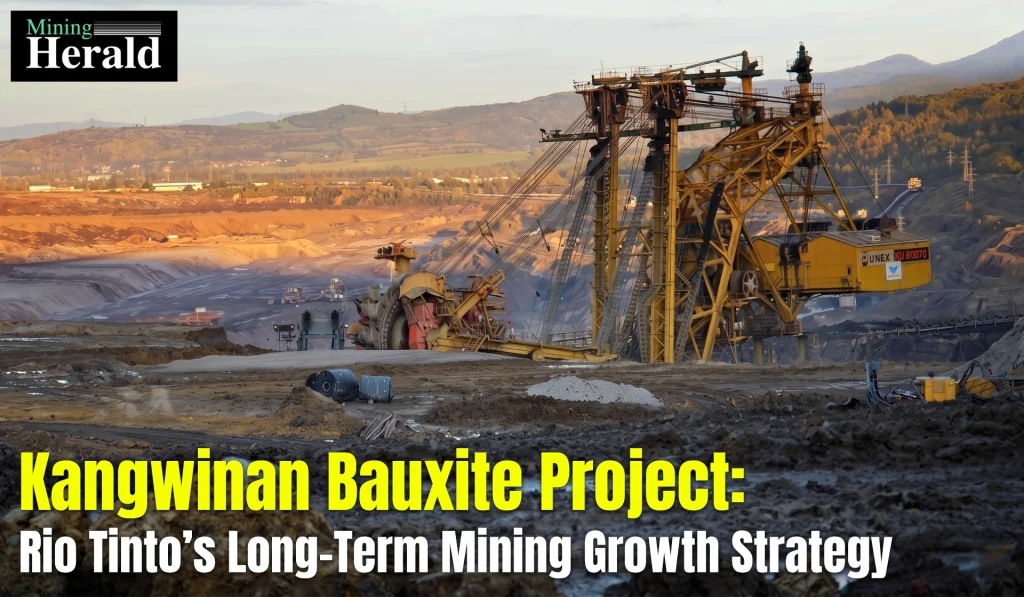
Figure 1: Archive photograph. Credit: Bahnfrend, Wikimedia Commons.
Falling Prices Could Force Higher-Cost Mines to Cut Supply
Picture the world’s iron ore mines lined up from the cheapest tonne to produce to the most expensive. That ordering is the cost curve. A small price fall can push a large volume of ore into loss if several sizeable producers sit close together on the expensive end of the curve.
In its October analysis, UBS put its long-term price estimate at USD 93 a tonne, up from USD 85. The bank’s estimates show why it reconsidered the lower figure.
| Iron ore price scenario | Estimated annual supply losing money on a cash basis |
| USD 95 per tonne | About 85 million tonnes |
| USD 85 per tonne | About 255 million tonnes |
| USD 80 per tonne | About 357 million tonnes |
These figures describe supply under financial pressure. They are not forecasts of mine closures. An operator may ship to satisfy a contract or because restarting would cost more than a momentary loss.
That difference is crucial for shareholders: a mine might lose money today and yet produce its next shipment on time.
Fewer tons for sale would indicate price support. US$93 is a long-term assumption, not a daily price floor, until then.
Freight Costs and Grade Discounts Can Erode Australian Miners’ Margins
Steel mills purchase freight, not screen benchmarks. Iron content, discount, and delivery conditions impact seller earnings. Iron ore mining expenses include the producer’s extraction and handling Iron ore mining costs. A mine-site cost number cannot inform a shareholder how much a shipment made.
Take a delivery-priced simple freight. Suppose delivery price goes from USD 90 to USD 94 a ton and ocean freight from USD 10 to USD 13. At the export port, USD 80 becomes USD 81. The miner retains $1 of the $4 headline price increase before royalties and other charges.
Grade changes the picture again. If mills demand a wider discount for a lower-grade product, its selling price may barely move even when the benchmark rises.
That is why the realised price in a quarterly report is often more useful than the spot quote on the last day of the quarter.
Differences in Ore Quality, Capital Spending and Commodity Mix Leave BHP, Rio Tinto and Fortescue Unequally Responsible
The October broker assessment illustrates the limits of a single commodity forecast. UBS raised its long-term iron ore assumption, yet nudged its share-price targets for BHP and Rio Tinto only slightly higher and cut its Fortescue target.
Product pricing, costs and capital spending changed the calculation for each company.
| Company | What shareholders should examine |
| BHP (ASX: BHP) | Its low-cost Pilbara operations have room to keep earning as more expensive supply comes under pressure. Copper also contributes to group earnings, so an iron ore forecast alone gives an incomplete view of BHP. |
| Rio Tinto (ASX: RIO) | Rio can sell more items using Simandou’s higher-grade ore. Simandou and Pilbara mining replacement investment must be accounted for by shareholders. |
| Fortescue (ASX: FMG) | Iron ore dominates its profits. Better benchmarks can assist, but the discount on its ore and the volume clients purchase decide how much income is generated. |
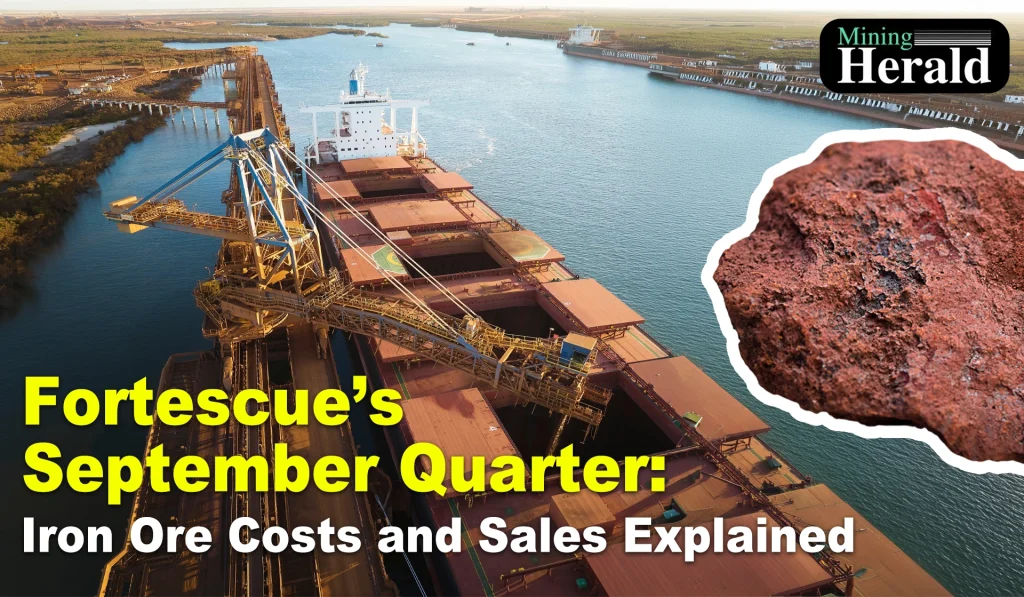
Fortescue offers a concrete example. September-quarter sales were 42.9 million tonnes, or 3.9 million tonnes below shipments.
The gap does not establish that those tonnes will never sell. It does show why multiplying shipments by an assumed selling price can give the wrong revenue figure for a quarter.
What Would Make the Long-Term Forecast More Convincing?
For readers searching for an iron ore price forecast Australia can use to assess its exporters, the first question is the time period. It says much less about the price a steel mill will offer for delivery next month.
Two developments could put the cost argument to the test. One is whether higher-cost mines actually reduce sales after a prolonged period of losses. The other is how quickly new supply reaches buyers.
Simandou’s eventual capacity matters, but the tonnes loaded, shipped and accepted by mills matter sooner. Meanwhile, a fall in Chinese steel demand could leave the market well supplied even if some expensive mines cut back.
For the next company update, a useful comparison is tonnes sold, price received and cost per tonne, all measured over the same period and on a comparable basis. Then look at capital spending.
A producer can earn a healthy margin on today’s cargo and still have less cash available for dividends because it is building the mine that will supply tomorrow’s.
ALSO READ: Why Two Gold Deposits With Similar Grades Can Have Different Mining Economics
FAQs
Does USD 93 a Tonne Represent a Guaranteed Iron Ore Price?
No. It was UBS’s long-term estimate. The market can trade below that figure while inventories build or loss-making producers continue shipping.
Why Don’t Higher-Cost Mines Stop as Soon as Prices Fall?
Closing a mine can involve contract penalties, shutdown expenses and restart costs. A producer expecting a short downturn may decide it costs less to keep operating for a time.
Why Can Two Australian Miners Receive Different Prices?
Iron content, contaminants, and contract conditions vary in their ore. Before comparing companies, shareholders should examine whether the advertised price includes ocean freight.
What’s the Difference Between Cash Cost and Dividend Cash?
Cash cost measures specified operational costs. Sales, royalties, taxes, debt payments, and capital investment affect dividend cash flow.
Disclaimer: This article provides general information, not personal financial advice. Commodity price scenarios and estimates of loss-making supply are subject to change.
Filed under

About the author
Jonathon Brown
Jonathon Brown began his career as a broadcaster, working across markets in British Columbia before moving into financial journalism. Since 2017, he has specialised in stock market reporting, covering emerging companies across the healthcare, technology, mining and consumer sectors. He brings more than 15 years' experience to his reporting. A graduate of Vancouver Island University and the British Columbia Institute of Technology, Jonathon is focused on delivering clear, balanced reporting for investors.