


Key Takeaways
- 01 Capital discipline is reshaping commodity supply curves into 2026.
- 02 AI infrastructure capex is becoming a primary macro variable.
- 03 Central bank policy across AU, CA and US is converging on neutral.
Mining companies released a busy run of September-quarter updates during the week ending 30 October 2026. Their results showed how prices, maintenance, shipping schedules and construction spending can pull in different directions.
In this article, the latest copper mining news, gold production reports and lithium developments are examined through six companies operating across the Americas, Africa, Europe and Australia.
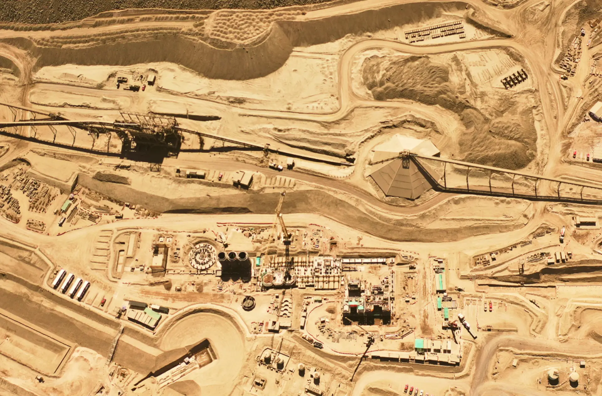
Figure 1: Capstone Copper’s Mantoverde operation in Chile’s Atacama region, where expansion work featured in this week’s results. Archive photograph. Credit: Capstone Copper.
Copper: Capstone’s Earnings Record Came With a Cash Shortfall
Capstone Copper’s 29 October release reported adjusted EBITDA of US$358.3 million, its eighth consecutive quarterly record.
Copper production was 45,218 tonnes, down from 55,280 tonnes a year earlier. Higher realised metal prices helped compensate: revenue rose to US$712 million.
The cash figures added another layer. Operating activities generated US$226.6 million, but sustaining and expansion investment left total free cash flow at negative US$26.3 million.
At Mantoverde, September’s planned shutdown allowed critical concentrator connections to be completed. The company expects to sustain throughput of 45,000 tonnes of ore a day from early 2027.
For now, annual copper production is expected near the bottom of guidance, with costs near the top. The next operating reports will show whether the completed expansion work starts delivering consistently higher throughput.
Copper: Sandfire Holds Its Plan After a Softer Quarter
Sandfire’s 27 October report recorded 26,987 tonnes of copper production. That was 10% above the September 2025 quarter but 21% below June.
Sandfire finished September with US$342 million in net cash after paying a US$117 million dividend. Its financial position gives it room to continue exploration and development, including work near the existing mines.
Mining Herald’s Sandfire quarterly report analysis examines the production comparisons and cost assumptions in more detail.
Gold: Catalyst Moves Two Mine Contributions Into FY28
Catalyst Metals delivered a different message on 30 October. Both contributions have moved into FY28.
Old Highway has encountered permitting delays. At Trident, a late portal start and slower underground development have pushed back the schedule. Grade-control drilling also reduced the expected contribution from some areas planned for early mining.
The existing operations produced 22,231 ounces during September’s quarter, with staffing shortages affecting output.
Catalyst retains its longer-term ambition of approximately 200,000 ounces annually, supported by a two-million-ounce reserve base. The near-term sequence is still being revised. Investors therefore have a lower annual production forecast to work with, while the timetable for the wider expansion remains less settled.
Lithium: PLS Mines More but Ships Less
The realised price also declined. Revenue fell 24% to A$563 million.Unit operating costs improved to A$539 a tonne on an FOB basis, excluding freight and royalties.
Operational efficiencies helped, as did a greater volume of capitalised waste stripping. PLS cautioned that seasonal conditions and other pressures could lift costs later in FY27.
Its expansion programme remains substantial. The approved A$1.9 billion P2000 project targets production capacity of approximately two million tonnes a year, with first production expected in the September quarter of calendar 2029. That is future capacity, separate from the current quarterly result.
Lithium: Liontown’s Underground Work Moves Ahead
Liontown’s quarterly update reported 4,021 metres of underground development at Kathleen Valley, a record and 21% above the June quarter.
Operating cash flow was approximately A$47 million after a one-off customer settlement payment. Capital expenditure reached A$82 million, and closing cash was A$502 million.
This week’s lithium mining news therefore included progress below ground as well as production results. Liontown still has to fund development before receiving the full output expected from its expansion. Its target of approximately 780,000 tonnes of annual concentrate production is a five-year average from FY30, on an SC5.4 basis.
The Week’s Reports Point to Different Next Steps
| Company | Main development | Next point to watch |
| Capstone Copper | Record earnings alongside negative quarterly free cash flow | Sustained Mantoverde throughput and expansion spending |
| Sandfire | Annual guidance retained | Grade recovery at MATSA and fuel costs at Motheo |
| West African Resources | Record quarterly gold output | Production and costs against annual guidance |
| Catalyst Metals | New-mine production deferred | Trident development and Old Highway approvals |
| PLS | Record output but lower sales | Shipment timing, realised prices and project spending |
| Liontown | Record underground development | Higher mining rates and the cash required for expansion |
The common lesson from these reports is practical. Production, sales and cash do not necessarily improve together.
PLS produced more but shipped less. Capstone earned more while spending heavily. Catalyst’s reserve base remained in place, but the expected arrival of new gold mining news changed.
As the December quarter progresses, those differences will become easier to judge through mine performance, shipment volumes and spending against the plans companies have now set out.
ALSO READ: Glencore Funding Advances Prieska Copper Revival
FAQs
Q1. Which period does this roundup cover?
Ans. It covers selected company updates released during the week ending 30 October 2026. Most report operating results for the September quarter.
Q2. Why did Capstone report record EBITDA while cash fell?
Ans. Higher metal prices supported earnings, while investment, working-capital movements and financing payments absorbed cash.
Q3. Why did PLS revenue decline despite record production?
Ans. Sales volumes and realised prices fell. Shipment timing also affected the quarter, including a cargo delayed until October.
Q4. Does a higher production target mean that output is already available?
Ans. No. Expansion targets depend on construction, commissioning and sustained operating performance. They should be kept separate from reported production.
Disclaimer
This roundup provides general information and is not personal financial advice. Figures relate to the stated reporting periods. Cost and cash-flow definitions differ between companies, and forecasts may change. Investing carries a risk of loss.
Filed under

About the author
Jonathon Brown
Jonathon Brown began his career as a broadcaster, working across markets in British Columbia before moving into financial journalism. Since 2017, he has specialised in stock market reporting, covering emerging companies across the healthcare, technology, mining and consumer sectors. He brings more than 15 years' experience to his reporting. A graduate of Vancouver Island University and the British Columbia Institute of Technology, Jonathon is focused on delivering clear, balanced reporting for investors.