

Key Takeaways
- 01 Capital discipline is reshaping commodity supply curves into 2026.
- 02 AI infrastructure capex is becoming a primary macro variable.
- 03 Central bank policy across AU, CA and US is converging on neutral.
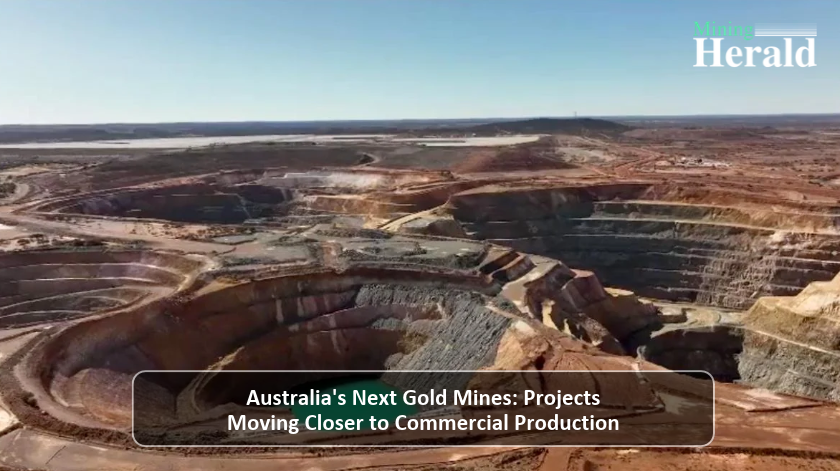
November 2026 finds several Australian gold projects close to publishing feasibility studies. Only some have put a date on first gold, and a first pour can come well before a mine runs at its planned rate. In this blog, Mining Herald looks at which developers have a production target, which are still testing the economics and what each needs to show next.
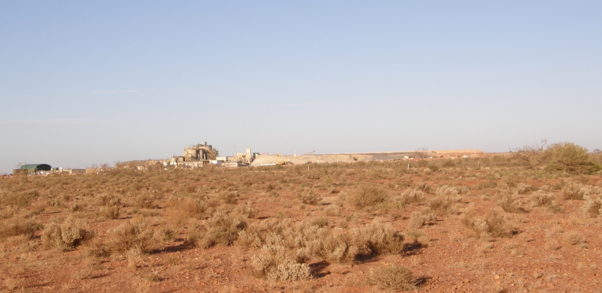
Figure 1: Surface facilities at South Australia’s Challenger gold mine in September 2008, during its earlier operating life. Barton Gold is now studying a restart. Credit: Geomartin
Which Projects Have Put a Date on First Gold?
Bullabulling and Sandstone stand out because their developers have named a year for first production. Mandilla and Mt Ida have nearer dates on the calendar, but those dates refer to studies. Reading the four announcements side by side makes the distinction clearer.
| Project | Developer | Next milestone as at 13 November 2026 | What the date means |
| Bullabulling, WA | Minerals 260 | Definitive feasibility study and investment decision targeted for early 2027 | First gold targeted by the end of 2028 |
| Sandstone, WA | Brightstar Resources | Pre-feasibility study and first ore reserve targeted for late 2026 | First production targeted in 2029 |
| Mandilla, WA | Astral Resources | Definitive feasibility study targeted for the March quarter of 2027 | A deadline for the study, rather than the first pour |
| Mt Ida, WA | Ballard Mining | Feasibility study targeted for mid-2027 | The proposed plant has approval; the board still has to decide whether to build |
Why Is Bullabulling One to Watch for 2028?
At Bullabulling, about 65 kilometres south-west of Kalgoorlie, two figures describe quite different things. Minerals 260 reported a mineral resource of 6.2 million ounces. Its maiden ore reserve was 2.5 million ounces. The reserve is the portion the company could justify mining economically under the assumptions it used. The larger resource gives it ground to investigate beyond that plan.
The pre-feasibility study outlined a 19-year mine life, with production of about 150,000 ounces a year on average over the first ten years. That qualification matters. Applying the same annual rate across all 19 years would overstate what the study says about later production.
The next test is the definitive feasibility study. It should give the board firmer figures for what the mine will cost to build and operate. If the board approves construction, investors can begin measuring progress against the end-2028 first-gold target. Mining Herald’s explanation of why miners revisit project costs before approving construction sets out why the figures can change between those two studies.
Could Mandilla Earn Money Before the Main Mine Opens?
Astral is considering whether its smaller Think Big deposit at Feysville could help pay for Mandilla’s development. The opportunity under assessment involves about 32,000 ounces of potential production. What matters for funding is how much cash would remain after mining, processing and transport, and whether that cash would arrive before Mandilla’s construction bills fall due.
Mandilla’s own mine plan has two distinct periods. Its pre-feasibility study put average production at about 95,000 ounces a year for the initial 12 years. A further 6.5 years of treating lower-grade stockpiles could produce about 42,000 ounces annually. The mill could therefore keep running for longer, though at less than half the earlier annual output.
Astral is targeting the March quarter of 2027 for its definitive study. It has also identified a timing dependency: heritage surveys needed for approval submissions must be completed. A study date alone does not settle when work can start.
Why Do Sandstone and Challenger Need Different Answers About Their Mills?
At Sandstone, Brightstar is testing whether several deposits can keep a proposed central plant supplied. A truck arriving from a satellite deposit brings both gold and a freight bill. The mine schedule has to account for how far the ore travels, what grade reaches the plant and how much gold the plant recovers. The first ore reserve, due alongside the pre-feasibility study, should show which material earns a place in that schedule.
Challenger starts with much of the physical equipment already on site. Its Central Gawler Mill was designed to treat about 600,000 tonnes a year. The operation also has underground workings, a village and an airstrip from its previous life. Between 2002 and 2018, Challenger produced about 1.2 million ounces.
That history makes a restart worth examining, but it cannot tell Barton what restarting will cost today. The useful figures in its definitive study will be the refurbishment bill, the cost of regaining access to underground ore and the tonnes available to feed the mill once it is ready.
What Should Readers Look for Before Calling a Project a Mine?
For readers following upcoming gold mines in Australia, these are the milestones most likely to change a project’s timetable:
- A reserve that supports the schedule. Look for the tonnes and grades the company expects to mine in the opening years. A large resource offers little immediate help if the richest ore is only accessible much later.
- Money available when construction bills fall due. A board decision carries more weight when readers can see how the plant, mine development and commissioning period will be paid for.
- Evidence after the first pour. Watch tonnes processed, recovery and operating costs over subsequent quarters. A first bar proves the plant can produce gold. Repeated production at the intended rate is a better test of the business.
Of the projects compared here, Bullabulling has the clearest near-term sequence to follow: study, investment decision, then a targeted first pour by the end of 2028. At Challenger, the more revealing number may be the cost of bringing the old mill back. For Sandstone, it is how much ore can economically reach a new one.
ALSO READ: How Bellevue Gold Is Building a More Consistent Underground Gold Production Model
FAQs
Does a Feasibility Study Mean a Gold Mine Will Be Built?
No. It gives the board a mine design, cost estimates and a production schedule to assess. The board can approve the build, seek different financing, change the design or defer the project.
Is First Gold the Same as Commercial Production?
No. A mine can pour its first gold while crews are still testing equipment and adjusting the plant. Commercial production comes later, once the operation meets the company’s stated criteria for regular production.
Why Does Mt Ida Still Need a Study if Its Plant Is Approved?
Approval allows Ballard to pursue the proposed plant. The study addresses a separate question: whether the available ore, expected recovery and costs justify the investment.
Which Other Australian Gold Projects Have Studies Approaching?
Antipa Minerals expects its Minyari Dome pre-feasibility study in November 2026. Kalamazoo Resources is targeting the first quarter of 2027 for its Ashburton pre-feasibility study. Both dates relate to study results, not mine openings.
Disclaimer: This article is for general information. Study schedules and production targets reflect company expectations as at 13 November 2026 and may change.
Filed under

About the author
Jonathon Brown
Jonathon Brown began his career as a broadcaster, working across markets in British Columbia before moving into financial journalism. Since 2017, he has specialised in stock market reporting, covering emerging companies across the healthcare, technology, mining and consumer sectors. He brings more than 15 years' experience to his reporting. A graduate of Vancouver Island University and the British Columbia Institute of Technology, Jonathon is focused on delivering clear, balanced reporting for investors.