

Key Takeaways
- 01 Langer Heinrich’s production cost reached US$61.60 per pound in the September quarter, up from US$51.60 in June.
- 02 Paladin expects higher grades and better recovery as mining advances through the J Pit to lift output and lower unit costs.
- 03 FY2027 guidance remains 5.1–5.6 million pounds at US$44–48 per pound. Those cost figures exclude several expenses, including sustaining capital and royalties.
Paladin’s September results show how quickly uranium mining costs can change when fewer pounds emerge from the plant. Its response centres on reaching different ore within the J Pit and improving processing performance.
In this article, Mining Herald examines the work behind that plan, the expenses outside the headline cost figure and the improvement needed to meet full-year guidance.
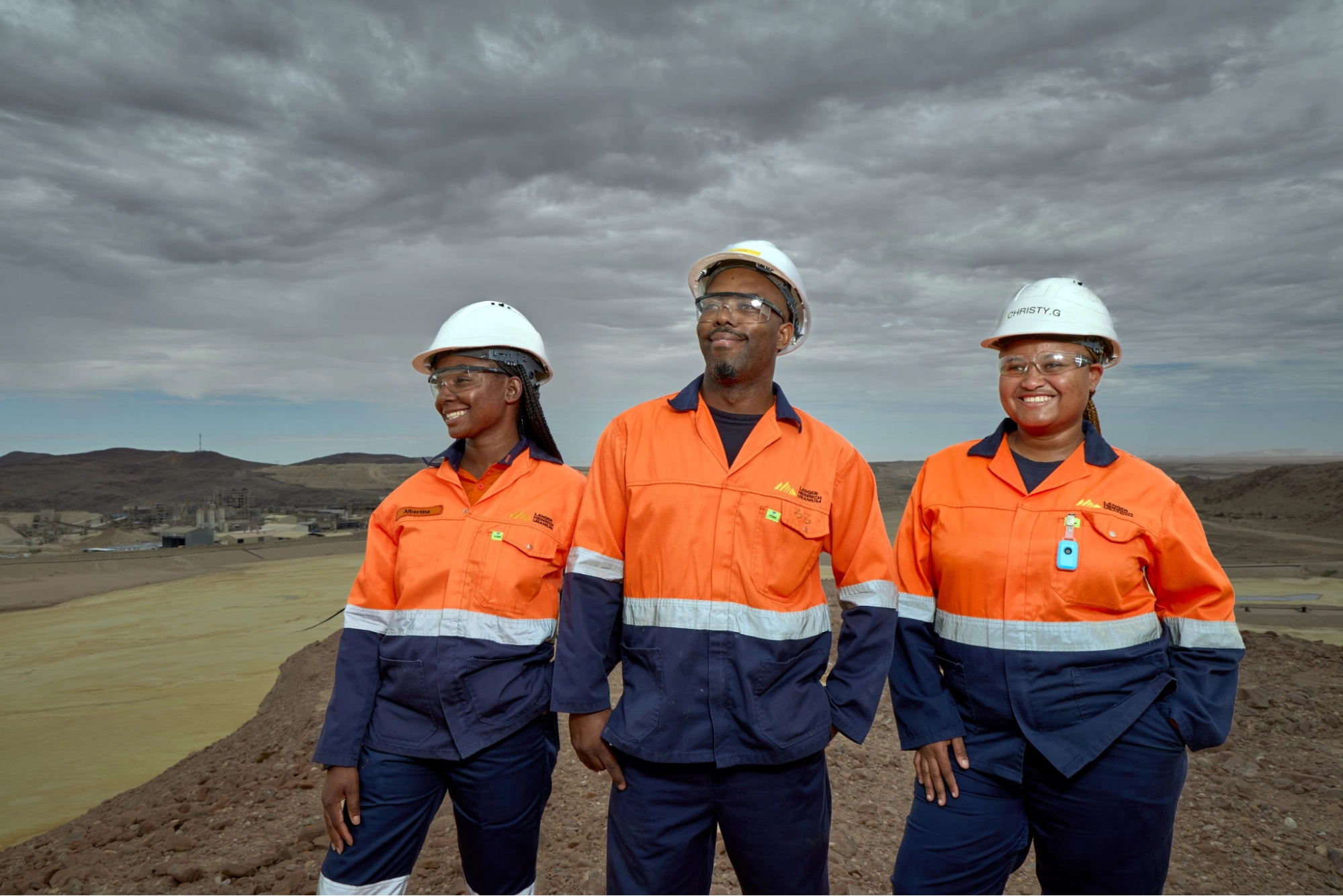
Figure 1: Processing facilities at Langer Heinrich in Namibia, where Paladin holds a 75% interest. Company website photograph. Credit: Paladin Energy.
Advancing the J Pit Towards Higher-Grade Ore
Paladin’s management discussion and analysis, dated 5 November 2026, covers the three months ended 30 September. That is the first quarter of its FY2027 financial year.
All mining during the quarter took place in the J Pit. Crews removed topsoil and waste while progressing towards the main orebody. Total material mined reached 7.73 million tonnes, compared with 7.45 million tonnes in June.
More material moved did not mean more uranium produced.
Some of that work opens access to ore for later periods. Paladin expects mining on the lower, southern benches to bring improvements in grade and metallurgical recovery. Its forecast for lower costs depends partly on reaching and processing that material.
The company also completed 15,222 metres of resource drilling. This included infill work in areas scheduled for near-term mining, helping refine its understanding of the ground ahead.
The plan therefore involves spending and mining now to support production later. Whether the expected ore performs as forecast will be an important test over the remaining quarters.
Recovering More Uranium From The Material Processed
The processing figures show where September differed from June.
| Langer Heinrich Metric | September 2026 Quarter | June 2026 Quarter |
| Material processed | 1.17 million tonnes | 1.19 million tonnes |
| Feed grade | 486 ppm | 488 ppm |
| Plant recovery | 85% | 90% |
| Uranium produced | 1.00 million pounds | 1.23 million pounds |
| Production cost | US$61.60/lb | US$51.60/lb |
| Uranium sold | 1.16 million pounds | 1.35 million pounds |
Figures are reported on a 100% Langer Heinrich basis. Paladin owns 75% of the mine. Production and sales refer to U₃O₈.
Feed grade barely changed, and processed tonnage was only slightly lower. Recovery fell by five percentage points.
Paladin attributed the weaker production to a planned maintenance shutdown, ore characteristics associated with the mining sequence and low uranium inventory within the processing circuit at the start of the quarter.
Those factors matter together. The recovery decline alone does not explain the entire fall in finished output.
There was some improvement during September as mining advanced and plant throughput strengthened. Paladin expects better grade and recovery to support higher production through FY2027, particularly in the second half.
For uranium production costs, the benefit would come from producing more pounds against the site’s expenditure. The September result shows how much pressure the reverse can create.
Spreading Site Expenditure Across More Pounds
Paladin calculates its unit production cost by dividing direct production expenditure by pounds produced.
September’s figures make the calculation straightforward: US$61.6 million of production expenditure divided by 1.00 million pounds gives US$61.60 per pound.
The previous quarter produced 1.23 million pounds at US$51.60 per pound. Using those rounded figures implies approximately US$63.5 million of production expenditure in June.
That comparison is revealing. The implied total expenditure was slightly lower in September, yet the cost of each pound was higher because output fell more sharply.
It also explains why the company’s cost-reduction plan relies so heavily on production. Cutting spending is only one way to lower a unit cost. Recovering more uranium from the operating effort is another.
Higher output still has to be achieved safely and consistently. A stronger month is encouraging, but the next quarterly figures need to show that the improvement lasted.
Separating Today’s Production Costs From Work For Later Years
The Paladin Energy cost of production measure covers mining, stockpile rehandling, processing, site maintenance and mine-level administration.
Three September spending figures illustrate the distinction:
| Spending Item | September Quarter |
| Langer Heinrich capital expenditure | US$6.9 million |
| Low-grade ore mined and stockpiled | US$6.2 million |
| Capitalised stripping | US$6.3 million |
The capital expenditure figure excludes the other two items.
Low-grade material is being stored for a later stockpile-processing phase. Capitalised stripping opens access to future ore. Both serve the longer mine plan, but neither disappears from the company’s funding needs because it sits outside the current production-cost measure.
Paladin also cautions that its measure may differ from another producer’s “C1 cash cost”.
Keeping The Full-Year Target While Watching The Remaining Work
Paladin retained FY2027 guidance of 5.1–5.6 million pounds at a production cost of US$44–48 per pound.
After producing 1.00 million pounds in the first quarter, the mine needs another 4.1–4.6 million pounds over the remaining nine months to meet that range. Management expects the second half to contribute more as higher-grade feed reaches the plant.
The quarterly cost of US$61.60 is above the full-year target. Meeting the annual range consequently requires a meaningful improvement in the remaining periods.
Mining Herald’s assessment is that the next reports should be read around three connected figures: feed grade, recovery and pounds produced. They will show whether advancing through the J Pit is delivering the operational benefit Paladin expects.
A stronger uranium selling price helps revenue. The cost plan still needs the mine to produce more from the work being done.
ALSO READ: Why Two Gold Deposits With Similar Grades Can Have Different Mining Economics
FAQs
Q1. Why did Paladin’s production cost rise?
Lower output increased the cost per pound. Paladin cited planned maintenance, ore characteristics and low opening inventory within the processing circuit as factors affecting production.
Q2. How does Paladin expect to reduce costs?
It expects higher grades and better recovery as mining advances into the lower, southern benches of the J Pit, supporting more uranium production.
Q3. Does US$61.60 per pound include all expenses?
No. It is a non-IFRS production-cost measure that excludes items such as royalties, sustaining capital, corporate administration and deferred stripping.
Q4. Has FY2027 guidance changed?
Paladin reaffirmed production of 5.1–5.6 million pounds at US$44–48 per pound, with stronger output expected in the second half.
Disclaimer
This article provides general information, not personal financial advice. Guidance represents company expectations and may change. Production cost is a non-IFRS measure and should be read alongside the financial statements. All monetary figures are in US dollars.
Filed under

About the author
Jonathon Brown
Jonathon Brown began his career as a broadcaster, working across markets in British Columbia before moving into financial journalism. Since 2017, he has specialised in stock market reporting, covering emerging companies across the healthcare, technology, mining and consumer sectors. He brings more than 15 years' experience to his reporting. A graduate of Vancouver Island University and the British Columbia Institute of Technology, Jonathon is focused on delivering clear, balanced reporting for investors.