

Key Takeaways
- 01 DPM will pay USD 0.04 per common share on 15 January 2027. Its correction changed only the payment year; the amount and the 31 December 2026 record date remain unchanged.
- 02 In the September quarter, DPM paid USD 8.8 million in dividends and spent USD 71.7 million buying back shares. Most of the cash it returned went to shareholders who sold.
- 03 DPM ended September with USD 839 million in cash and cash equivalents. Its dividend policy leaves room to fund new mines rather than committing a fixed share of quarterly cash flow to income payments.
Investors comparing gold mining stocks with dividends have two decisions to weigh at DPM. The board sets a quarterly cash payment that eligible holders receive without selling a share. It also buys shares in the market, sometimes spending far more on repurchases than on the dividend. The distinction matters to anyone counting on their holding to provide regular income.
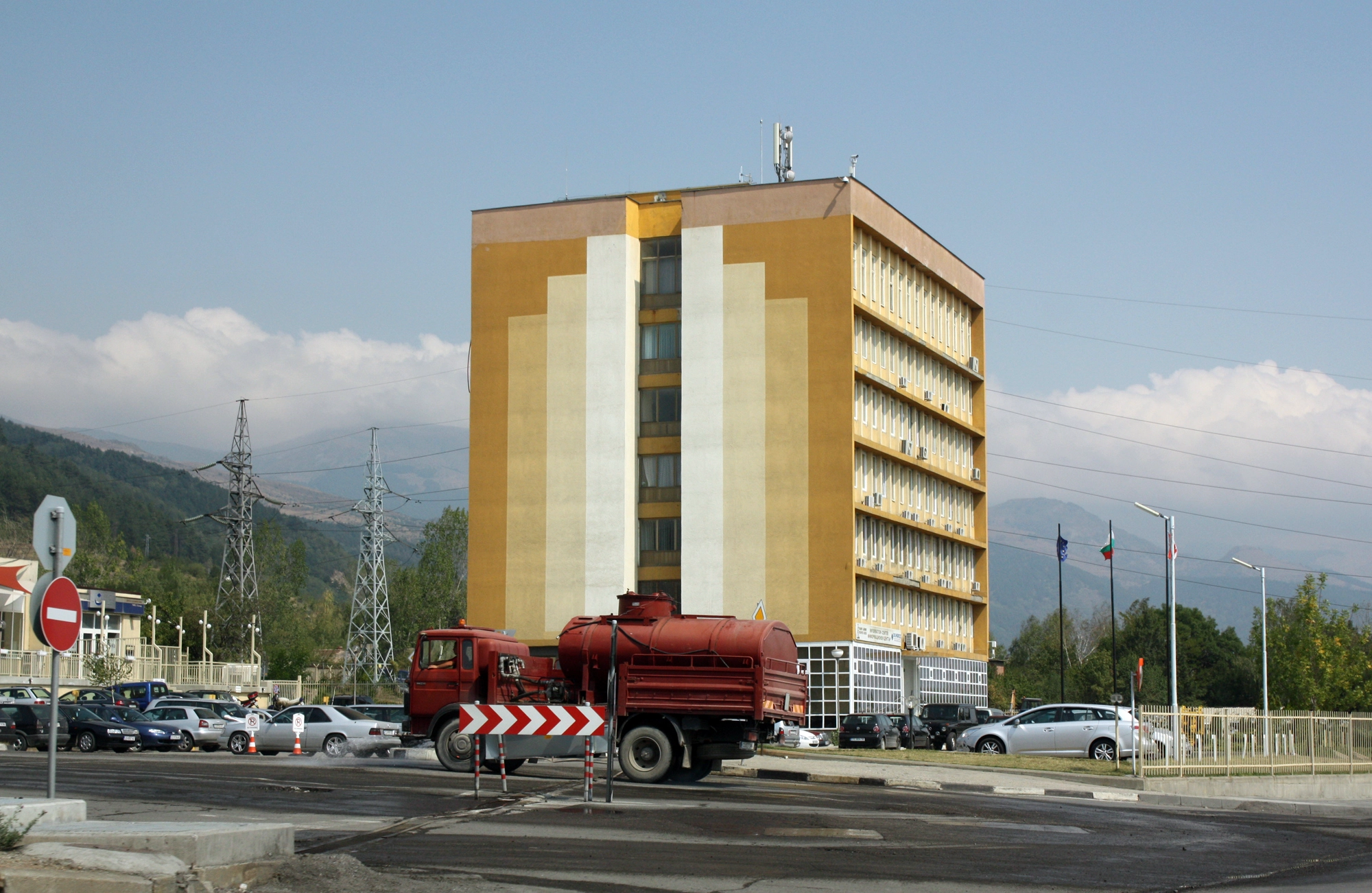
Figure 1: DPM’s building at Chelopech, Bulgaria, photographed in September 2012. Credit: Edal Anton Lefterov.
What Changed in the November Dividend Notice?
DPM declared its fourth-quarter dividend on 12 November 2026. The release gave a January payment date that had already passed. The following day, DPM corrected the year from 2026 to 2027 and confirmed that all other terms stood.
| Fourth-quarter dividend detail | Confirmed term |
| Amount declared | USD 0.04 per common share |
| Record date | 31 December 2026 at 5:00 pm, Toronto time |
| Corrected payment date | 15 January 2027 |
| Gross payment on 1,000 eligible shares | USD 40 |
| Currency options in the declaration | US or Canadian dollars |
For Australian readers, the currency is worth checking. DPM trades on the ASX as well as the Toronto Stock Exchange, but it declared the dividend in US dollars. Under the notice, Canadian residents default to Canadian dollars and non-residents to US dollars unless they elect otherwise.
An Australian holder who wants to know the amount that will reach their account in AUD should check their broker’s conversion arrangements.
Where Did the Rest of the Shareholder Return Go?
DPM generated USD 179.5 million in company-defined free cash flow in the three months to 30 September. It paid USD 8.8 million in dividends and spent USD 71.7 million on share repurchases. Combined, that was roughly 45% of quarterly free cash flow. The dividend alone accounted for about 5%.
Those percentages describe different outcomes for the shareholder. Someone who kept every share received the dividend. Someone who sold shares into the buyback received the sale proceeds. A continuing holder can benefit from owning a larger fraction of the business if the share count falls, but that benefit does not put extra cash in their account on dividend day.
The longer comparison tells much the same story. In the first nine months of 2026, DPM paid USD 26.5 million in dividends and USD 145.2 million for repurchases. A reader looking only at the combined USD 171.7 million would get the wrong impression of how much DPM distributed as income.
Why Keep the Dividend Modest When Cash Is Strong?
DPM finished September with USD 839 million in cash and cash equivalents. It also had an undrawn USD 400 million revolving credit facility. The first figure is money the company held. The second is borrowing capacity, which would create a liability if used.
One reason to retain cash is visible in DPM’s own portfolio. Its Ada Tepe mine in Bulgaria reached the end of its mine life in July 2026. A profitable mine can fund dividends for years and still need replacing. DPM has identified development spending, including at Čoka Rakita in Serbia, as one reason to preserve financial flexibility.
There is also a detail in the accounts that matters more than the size of the cash balance. DPM’s free cash flow calculation deducts spending needed to sustain existing operations but leaves growth projects to be funded afterwards.
The September figure therefore had several possible uses. Mining Herald’s guide to what mine costs reveal about gold profitability explains why keeping today’s mine running and paying for tomorrow’s are separate bills.
Who Is DPM’s Dividend Strategy Likely to Suit?
Among gold mining dividend stocks, DPM offers a quarterly payment alongside exposure to the mines it is developing. The fit depends on what the investor wants the shares to do:
- For regular income: Start with the four US cents declared per share. Buyback spending does not increase the January payment.
- For long-term ownership: Watch the price DPM pays for its shares and whether the total share count falls. The amount spent on repurchases, by itself, does not establish value for continuing holders.
- For exposure to new mines: Compare upcoming construction bills with cash generated by the operating portfolio. A large cash balance gives management choices, but some of that money may be needed well before a new mine makes its first sale.
The DPM Metals dividend has a clear amount and payment date. The bigger decision for investors is whether they want the rest of the cash returned now or left with the board.
So far in 2026, DPM has chosen a relatively small regular dividend, larger buybacks and cash retained for development. Those priorities matter more to its investment appeal than the correction to the January date.
ALSO READ: PDI Gold Q1 FY27 Results: Can Strong Sales Support Growth?
FAQs
Did DPM Increase the Dividend in Its Correction?
No. The correction changed the payment year only. The declared amount remains USD 0.04 per common share, payable on 15 January 2027.
Is DPM’s 45% Shareholder Return Figure Its Dividend Yield?
No. The 45% compares quarterly dividends and buybacks with quarterly free cash flow. Dividend yield compares annual dividends per share with the share price, using the same currency for both.
Does Four US Cents a Quarter Guarantee 16 Cents a Year?
No. Four equal payments would add up to USD 0.16 per share, but the November declaration covers one quarter. Future payments depend on subsequent board decisions.
Can an Investor Receive the Dividend Without Selling Shares?
Yes. The dividend will be paid to shareholders of record on the record date. You don’t have to sell shares to get the cash, that’s a distinct decision.
Disclaimer: The information in this post is general information and not personal financial or tax advice. The payment examples are gross sums and do not include any withholding, fees or currency conversion.
Filed under

About the author
Jonathon Brown
Jonathon Brown began his career as a broadcaster, working across markets in British Columbia before moving into financial journalism. Since 2017, he has specialised in stock market reporting, covering emerging companies across the healthcare, technology, mining and consumer sectors. He brings more than 15 years' experience to his reporting. A graduate of Vancouver Island University and the British Columbia Institute of Technology, Jonathon is focused on delivering clear, balanced reporting for investors.