



Key Takeaways
- 01 Capital discipline is reshaping commodity supply curves into 2026.
- 02 AI infrastructure capex is becoming a primary macro variable.
- 03 Central bank policy across AU, CA and US is converging on neutral.
The global copper outlook became less straightforward on Thursday, 24 September 2026. Prices eased even as traders watched a shutdown at Escondida and the possibility of strike action at Centinela.
Supply concerns were still present. They simply were not enough to outweigh anxiety about inflation, interest rates and a stronger US dollar.
Benchmark three-month copper on the London Metal Exchange fell as much as 1% to US$14,617 a tonne before recovering some ground. Comex futures were little changed at around US$6.7735 per pound after the New York market closed.
The move interrupted a rally supported by stronger Chinese buying ahead of the October holiday period. Copper was still up around 9% for the quarter, making Thursday’s decline a pause within a strong recent run rather than proof that the market had changed direction.
Why Did Copper Fall Despite Supply Concerns?
Copper responds to more than the amount of metal leaving mines. It also responds to what buyers expect to pay for finance, how much factories might need and the currency used to settle purchases.
On Thursday, rising oil prices added to inflation worries. That encouraged expectations that US interest rates could rise further, supporting the dollar and making dollar-priced copper more expensive for buyers using other currencies.
For a manufacturer purchasing copper from abroad, the exchange rate can partly offset a decline in the quoted metal price. A cheaper LME contract does not necessarily translate into an equally cheaper shipment in local currency.
These are possible transmission channels, not evidence that every copper buyer cut orders that day. Markets can adjust before changes appear in factory output or trade statistics.
That is why a mine disruption and a falling copper price can occur together. Traders were weighing supply risk against a less comfortable economic backdrop.
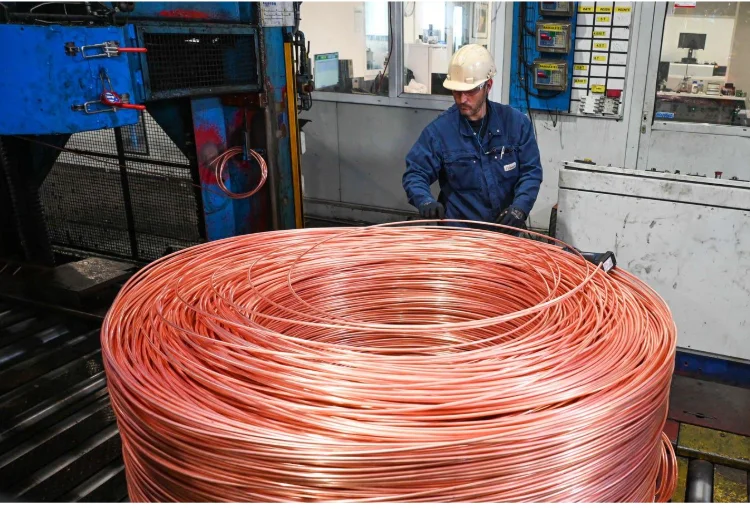
Figure 1: Coiled copper rod, illustrating the metal traded and processed for industrial applications. Image credit: International Copper Association.
How Does Inflation Pressure Affect Copper Buyers and Producers?
The effect of copper inflation pressure runs in more than one direction. Higher energy costs can raise mining and processing expenses, while tighter financial conditions can make customers more cautious.
Copper is exposed to both sides because it is an industrial material. A cable producer may still need metal to complete existing orders. However, it could decide to carry less spare stock if financing becomes more expensive.
A developer considering a new project faces a different calculation: higher borrowing costs may affect whether construction proceeds at all.
Producers have their own pressures. A high copper price can support revenue, but higher fuel, transport and operating expenses can absorb part of that benefit. Revenue and profit do not move together automatically.
The concern about another Federal Reserve increase was an expectation in the supplied market update, not confirmation of a new rate decision. That distinction matters. Prices react to changing probabilities, and those probabilities can shift again with economic data.
Thursday’s trading therefore showed caution about the cost of money and future consumption. It did not establish that inflation had already caused a measurable fall in global copper demand.
Could China’s Holiday Slowdown Change the Demand Picture?
China had helped support copper’s recent advance. Buying strengthened ahead of the holiday period, while a key import indicator reached a four-year high.
That signal should not be described as a four-year record in total import tonnage. The supplied update refers to an indicator, without identifying it or providing shipment volumes.
A quieter holiday period can make daily price movements harder to interpret. Fewer active buyers do not necessarily mean factories have permanently reduced their copper requirements. Some purchases may simply have been brought forward.
The more useful questions concern what happens around the break:
- Restocking: Do buyers return to replenish material used during the holiday period?
- Purchasing strength: Does import interest remain firm once pre-holiday orders have passed?
- Industrial activity: Do subsequent production and order figures support continued consumption?
For the global copper outlook, the difference between seasonal timing and sustained demand weakness is important. One quiet session cannot settle it.
How Serious Are the Supply Risks in Chile?
Concerns about tight copper supply conditions remained relevant because the potential disruptions involved established Chilean operations.
Escondida suspended operations on Wednesday after a worker died in an accident. The immediate priority was safety and investigation. The supplied update did not quantify lost production or establish how long the interruption would last.
BHP’s Escondida operation profile describes a substantial complex with two pits, three concentrator plants and two leaching operations. Its scale explains why an interruption attracts attention across the copper market. BHP
Centinela presented a separate concern: potential strike action. A possible stoppage should remain distinct from confirmed lost output. Negotiations, any eventual action and its duration would determine the operational consequences.
Several stages separate a mine incident from a shortage experienced by an industrial customer. Existing inventories, processing schedules and shipment arrangements may influence when any disruption becomes visible downstream.
The supply concerns therefore offered support without providing a reliable estimate of missing tonnes. A longer interruption could carry greater consequences, but the information available did not justify calculating a definite market deficit.
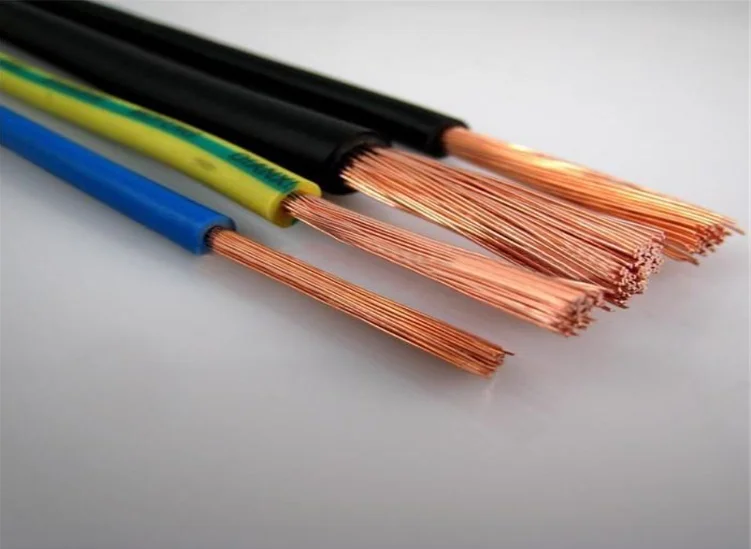
Figure 2: Copper wire illustrates the metal’s connection to electrical demand. Image credit: BHP.
What Could Shape the Global Copper Outlook Next?
The next move will depend on which pressure becomes clearer first. Extended operational disruption could strengthen supply concerns. Persistent inflation and a firm dollar could continue to restrain buying interest.
Three developments deserve attention:
- Chilean updates: Confirmed restart arrangements at Escondida and developments in Centinela’s labour situation.
- US economic signals: Inflation readings and interest-rate expectations that influence the dollar and financing costs.
- Chinese buying: Evidence that demand remains firm after the holiday-related slowdown.
Copper’s quarterly gain shows that Thursday’s pullback occurred after substantial strength. It neither erased the supply risks nor guaranteed another record.
For Mining Herald readers, the useful distinction is between what happened and what remains possible. Prices eased during the session; mine-related uncertainty persisted. The next operating reports and demand indicators will show whether either pressure becomes strong enough to set a more lasting direction.
Also Read: BHP’s Chile Copper Mine Shutdown Sparks Fresh Concerns Over Global Supply Stability
FAQs
Why Did Copper Prices Fall?
Inflation concerns, interest-rate expectations and a stronger dollar outweighed support from supply risks during Thursday’s session.
What Was the LME Copper Price?
Three-month copper fell to US$14,617 a tonne before recovering some losses.
Which Chilean Mines Faced Disruption Risks?
Escondida suspended operations, while Centinela faced potential strike action.
Did the Decline Erase Copper’s Quarterly Gains?
No. Copper remained around 9% higher for the quarter in the supplied update.
Disclaimer
This article is solely for informational purposes and should not be considered investment advice. This article discusses the 24th of September 2026 trading session. Prices, operating conditions and expectations may change.
Filed under

About the author
Jonathon Brown
Jonathon Brown began his career as a broadcaster, working across markets in British Columbia before moving into financial journalism. Since 2017, he has specialised in stock market reporting, covering emerging companies across the healthcare, technology, mining and consumer sectors. He brings more than 15 years' experience to his reporting. A graduate of Vancouver Island University and the British Columbia Institute of Technology, Jonathon is focused on delivering clear, balanced reporting for investors.